Amount exceeded


4.7 out of 5 based on 59654 reviews




















4.7 out of 5 based on 59654 reviews
.
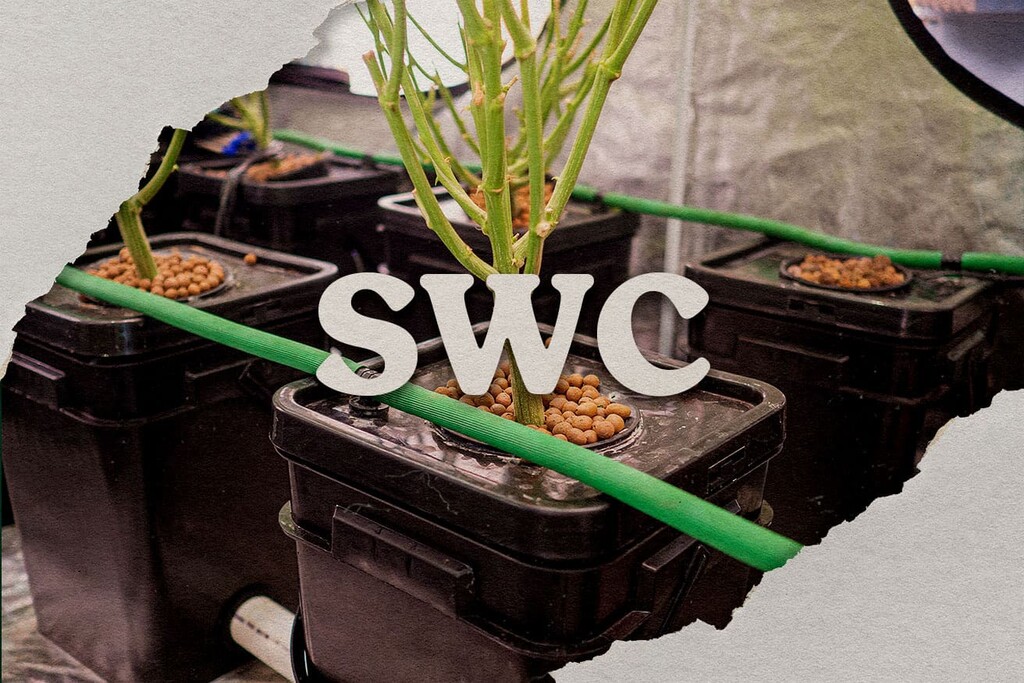
SWC cannabis growing is ideal for small spaces and beginners. This guide covers how to set up a DIY shallow water culture system, its benefits, how it compares to DWC, and best practice tips.
Contents:
Urban cannabis growers are turning to space-saving, low-maintenance hydroponic systems, and shallow water culture (SWC) is leading the pack. Have you ever seen leafy greens growing on a commercial scale and thought, wouldn't it be amazing if you could grow cannabis plants the same way?
You might be wondering, what is shallow water culture, and is it good for growing cannabis? You may be familiar with the term deep water culture in cannabis growing; however, you may not be aware of how simple and highly effective cannabis SWC can be.
Well, now is your chance to learn all about SWC cannabis growing, allowing you to become a master at working with hydroponic cannabis in small spaces, without the stress or larger-sized hydroponic systems. This article explains how to use shallow water culture for cannabis, its benefits over other methods, and tips for success.
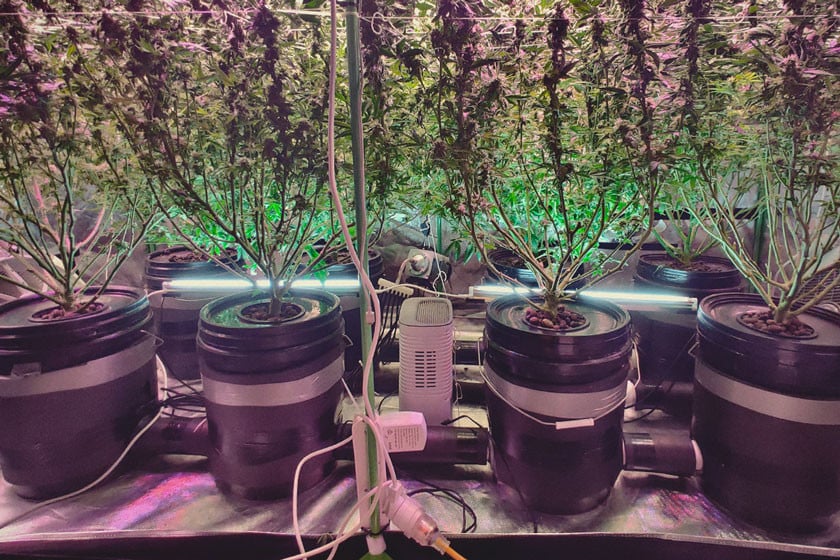
Shallow water culture is ideally suited for cultivating cannabis in small grow spaces such as a compact grow tent or converted cupboard. DIY shallow water culture is becoming an increasingly popular hobby among home growers, as it works remarkably well and doesn’t require an expensive or high-maintenance hydroponics system.
Deep water culture (DWC) can be far more demanding as far as space, feeding, and maintenance are concerned, and is optimal for producing huge yields from a low plant count. Cannabis SWC is quite the opposite.
You will only need a container and lid, an air stone, a pump, net pots, and a nutrient solution to grow a large volume of small plants. SWC also uses less nutrient solution compared to DWC and focuses mainly on maximising small grow spaces.
Now, let's take a closer look at the main differences between deep water culture and shallow water culture, so you can determine which one is right for your desired setup.
It’s easy to maximise the potential of your grow space with SWC. Whether you want to take your yields to the next level or be as energy-efficient as possible, below are some of the top benefits associated with SWC.
Not everyone has a big grow tent or the opportunity to convert their attic or cellar into a cultivation room. If you’re working on a smaller scale, such as a cupboard space or a 1 m² grow tent, then SWC is among the most practical methods.
Unlike traditional hydroponic systems that require ample space and necessitate extensive plumbing and assembly, SWC allows you to not only customise the shape and design, but also the layout.
When used with a SOG setup, you can rest assured that SWC is a highly efficient way for small grow spaces to produce big results, on a limited budget.
Free Indoor
Grow Guide

Speaking of budget, all you need to get your SWC system started is a shallow container and a few other small pieces of equipment (detailed below). The roots only need to be slightly submerged, which makes the system easier to clean and uses nutrient solution more efficiently.
You'll be surprised at just how easy setting up a SWC hydroponics system for weed can be. Below is a breakdown of what you will need to get started as an SWC cannabis grower, followed by a step-by-step guide.
Assemble the following pieces of equipment to get started.
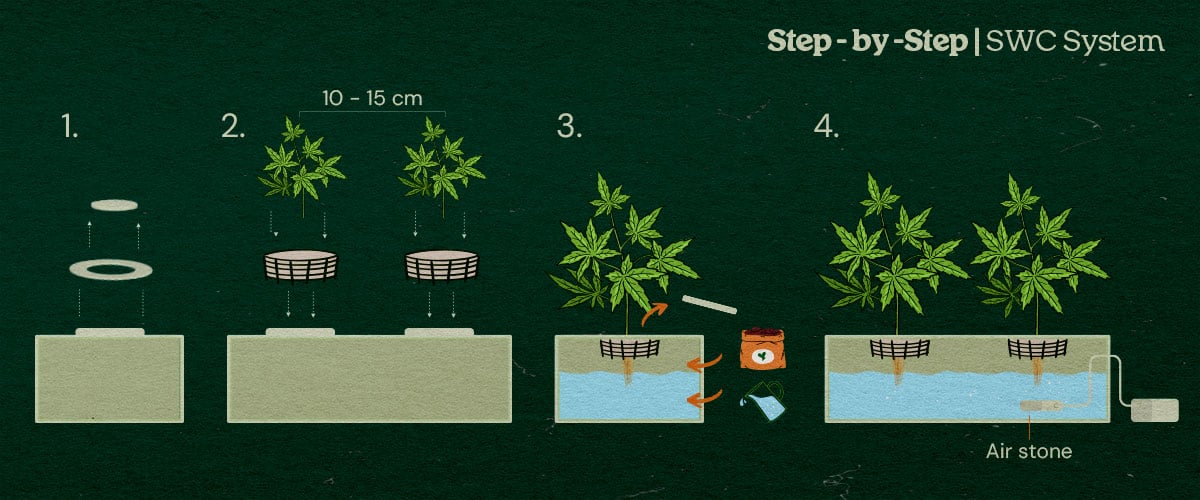
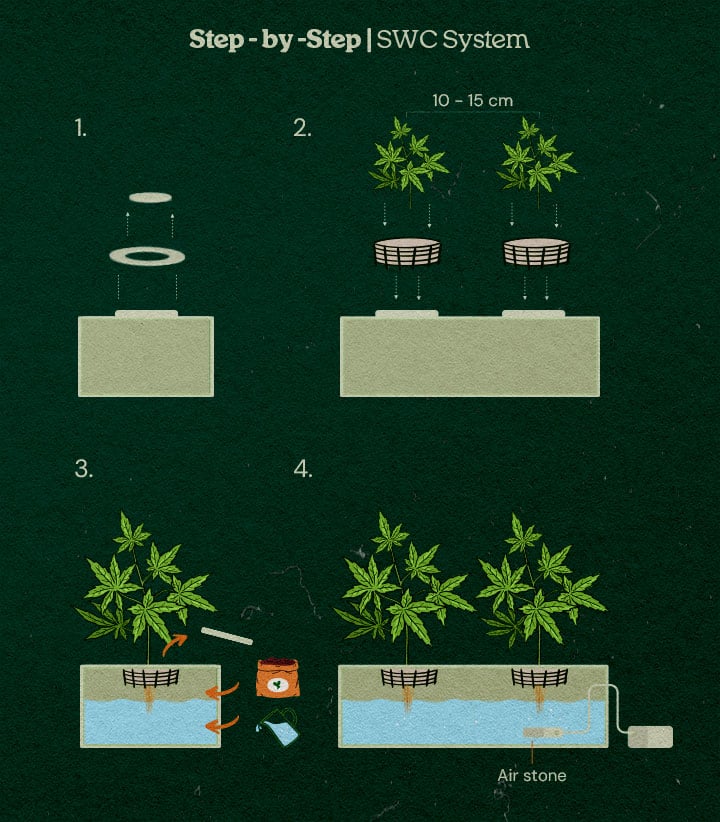
Now that you have all the necessary equipment, the next step is to build your DIY SWC system. Here’s how to do it.
Step 1. Using a circular drill bit, cut holes in the container lid to make space for the net pots.
Step 2. Insert net pots into the container lid, spacing them every 10–15 cm to prevent overcrowding.
Step 3. Remove the lid, keeping the net pots inside, and add nutrients and water to the container.
Step 4. Place an air stone and connect the tubing so the nutrient solution begins to produce tiny bubbles.
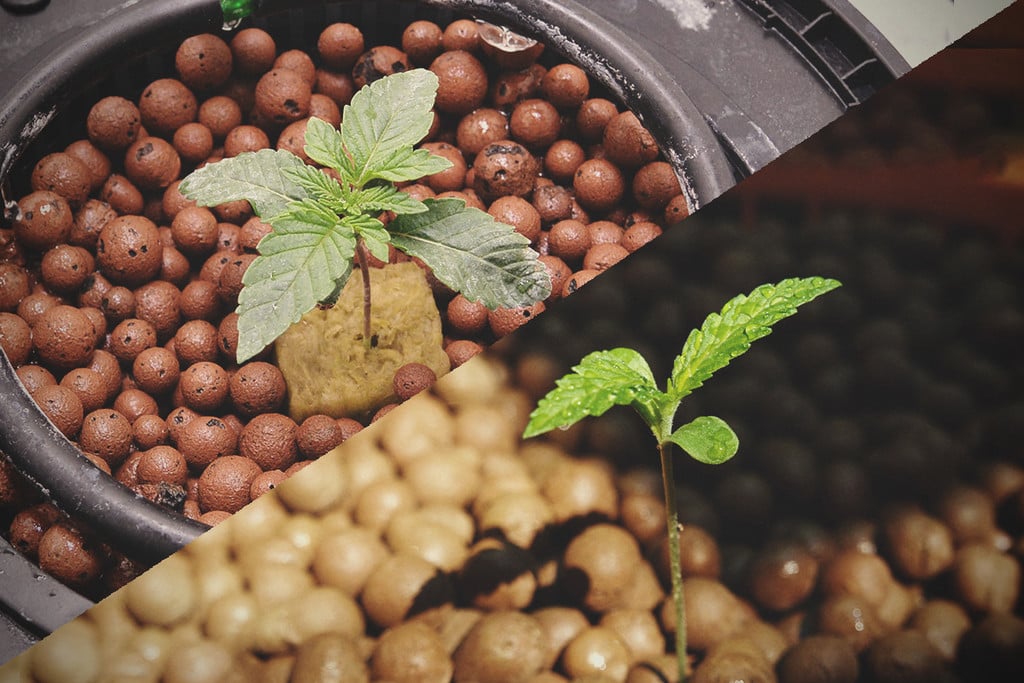
Step 5. Fill the net pots with clay pebbles and insert your clones or seedlings in Jiffy or Rockwool cubes.
LEDs are considered the best option for lighting for your cannabis DIY SWC system. These grow lights are far more energy-efficient than HPS or MH, produce low levels of heat, and can be adjusted using a dimmer.
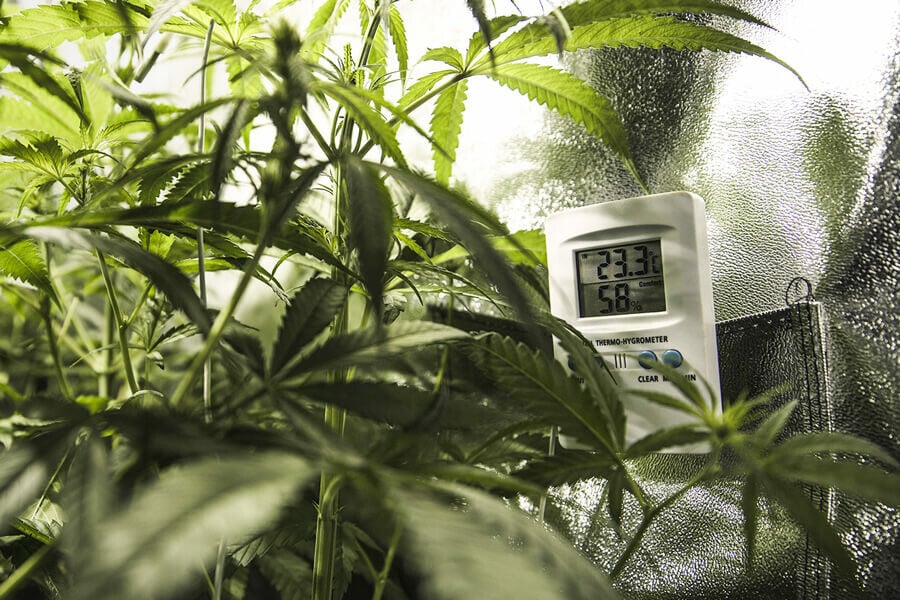
For temperature and humidity control, aim for a consistent temperature 24°C with 70–80% relative humidity during the vegetative stage, and 24°C with a relative humidity of 50–55% during the flowering period.
There are pros and cons to both shallow and deep water culture. Let's compare DWC with SWC according to several key factors.
While shallow water culture is an easy and straightforward cannabis hydroponics system, there are still some potential issues to be aware of. Even when systems are well-maintained and cleaned, growers may encounter the following problems.
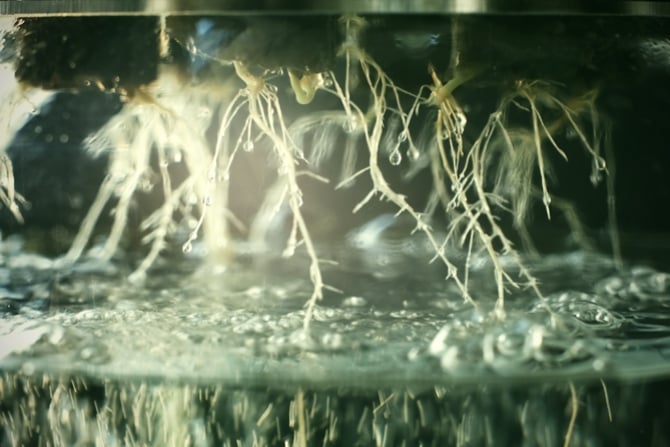
Most, if not all, hydroponic systems can fall victim to root rot if things go awry. Harmful anaerobic bacteria thrive in environments with low oxygen and acidity, which can occur when growers do not provide their plants with adequate oxygen levels.
To resolve root rot when using a SWC system, ensure that the roots have access to plenty of dissolved oxygen. You can also use hydrogen peroxide to aid in the removal of anaerobic bacteria.
Cannabis plants require a specific pH range for optimal nutrient uptake and availability. The ideal range for hydroponic systems is 5.5–6.5; any pH level outside this range will result in nutrient lockout.
The best way to avoid this problem from arising is to frequently check the pH level of your nutrient solution using a pH meter or test kit. You can also use buffering solutions, such as pH up or down products, adding drops until you achieve the ideal pH range.
If you want to produce the healthiest and most robust plants possible when growing cannabis using a SWC system, here are some final tips.
It’s advised to change your nutrient solution every week or so. Your plants will utilise the nutrients you provide over this period, and will perform best when the solution is regularly replenished.
After draining the solution, clean your system using hydrogen peroxide and verify that your air pump and air stone are functioning correctly. Also, use an EC meter to ensure the levels aren’t too low or too high, and use a pH tester to make sure the roots can absorb the available nutrients.
Building on the above, you do not want the nutrient solution to become too cold or too warm, as this can stunt growth or promote pathogens. Aim for a water temperature between 18–24°C.
Oftentimes, air pumps can produce heat, driving up the water temperature over time. The easiest way to keep temperature in check is to use an aquarium water heater or a water chiller to maintain a consistent temperature.
Thought hydroponics required lots of space, maintenance, and equipment? Think again! With shallow water culture hydroponics, you can turn a small grow tent or space into a productive and affordable cultivation operation. Many of these tools can be found locally or at RQS, making it easy to get started. From veg and bloom nutrients to LED grow lights and pH testers, we’ve got you covered.
Interested in learning more about the best hydroponic methods for cultivating cannabis indoors? Check out our dedicated guide and find the perfect setup.