Amount exceeded


4.7 out of 5 based on 59595 reviews




















4.7 out of 5 based on 59595 reviews
.
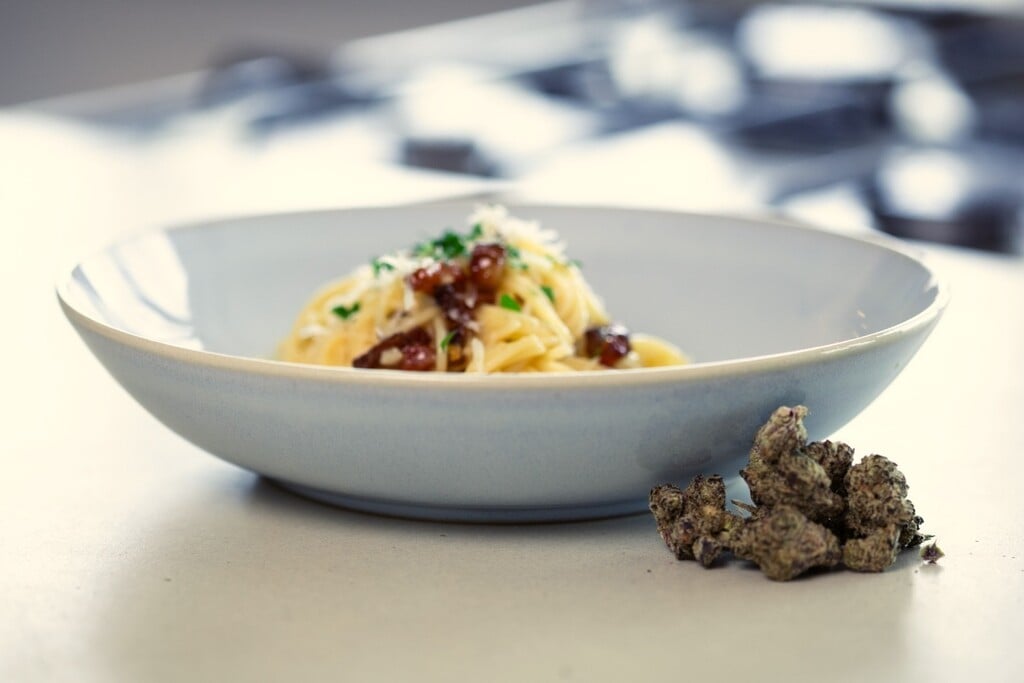
A step-by-step spaghetti carbonara weed guide using cannabutter or cannabis oil, with practical equipment notes, timing, and safer portioning so you can keep the infusion controlled.
Contents:
Discover how to make a creamy, flavourful cannabis spaghetti carbonara that delivers both classic comfort and a gentle THC boost. When it’s done right, carbonara is all about a glossy sauce, salty pancetta, and plenty of pepper; rich flavours that naturally help round out the herbal notes you might notice in infused cooking.
Cannabis spaghetti carbonara is a classic carbonara recipe enhanced with a measured cannabis infusion, resulting in a rich, silky finish with an added edible-style effect. In practice, it’s a form of infused pasta: the dish is prepared as usual, but a portion of the fat in the recipe comes from cannabutter or cannabis oil.
Edibles can take 30–120 minutes to kick in, and the effects often feel stronger and last longer, commonly 4–8+ hours. That delay is where most issues start, because it’s tempting to have a second serving before the first one has fully landed.
Overconsumption can be unpleasant, with anxiety, nausea, or heavy “couch-lock” effects. Keep portions small, wait at least two hours before taking more, and avoid mixing with alcohol.
Store any leftovers well out of reach of children and pets, ideally in a clearly labelled container in a high cupboard or locked fridge. As always: start low and go slow, especially if you’re new to infused food.
This recipe comes together quickly, so have all the ingredients measured and ready before you begin.
Prep time: 15 minutes.
Cooking time: 15 minutes.
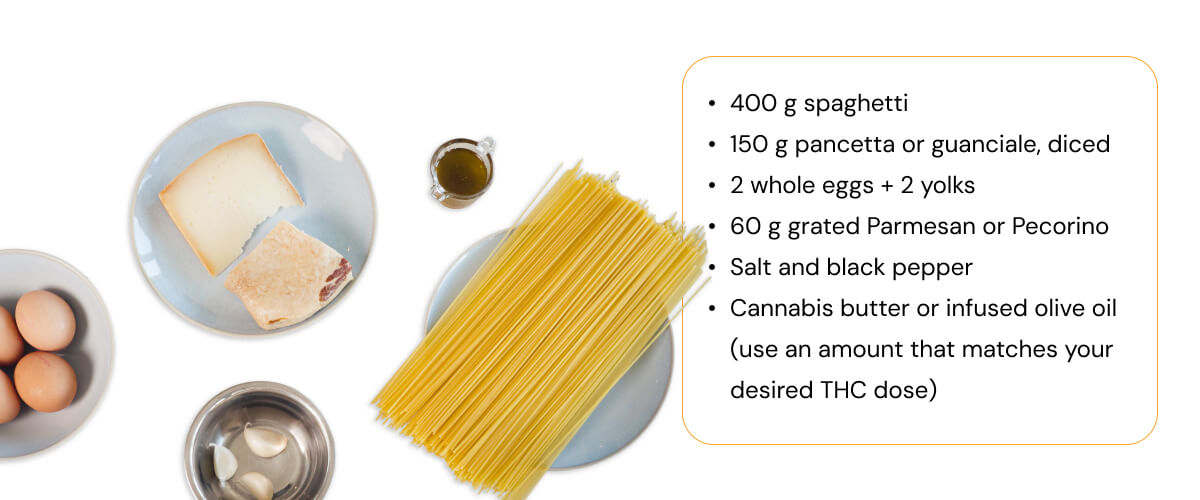
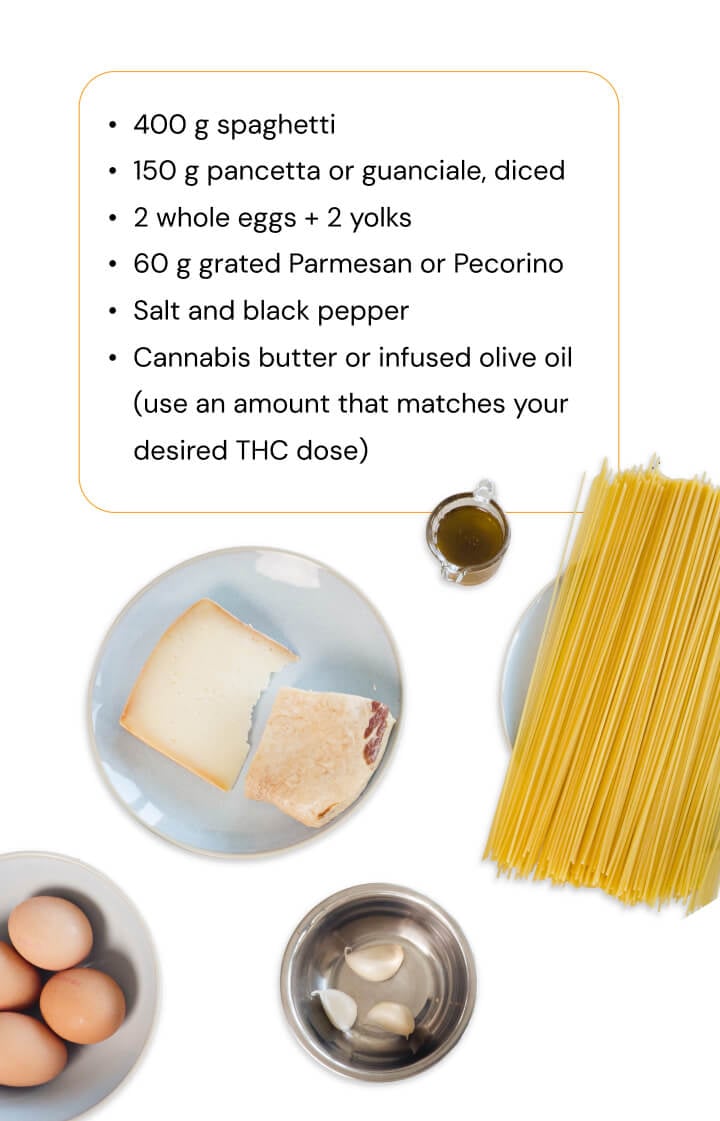
You don’t need anything specialised to make carbonara, but the right tools help you keep the sauce smooth and the heat under control.
Follow the steps below in order, keeping everything moving so the eggs emulsify into a creamy sauce rather than scrambling. The main trick is simple: combine hot pasta and rendered fat, then finish off the heat with your egg-and-cheese mix and your cannabis infusion for controlled potency and a smooth texture.
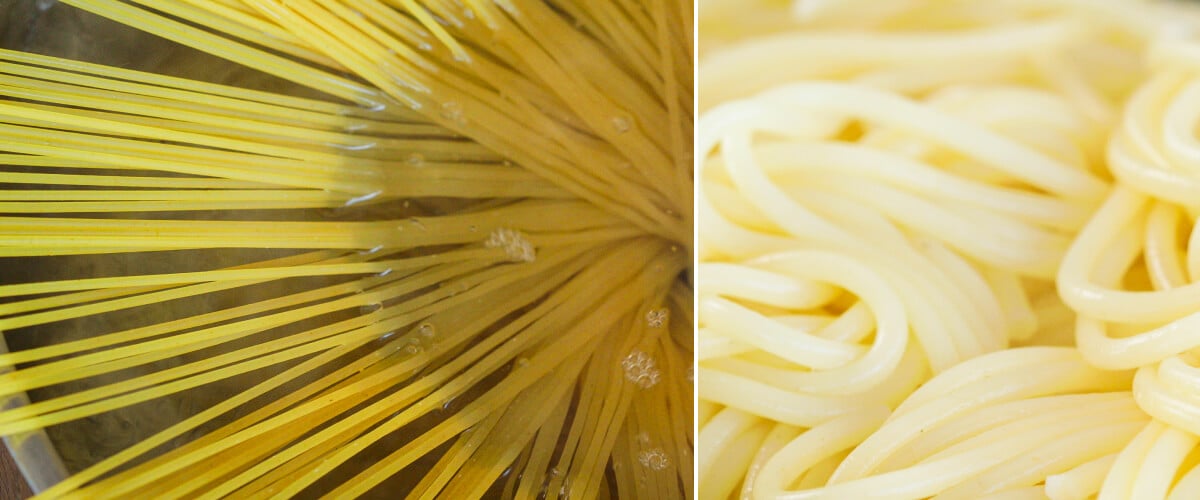
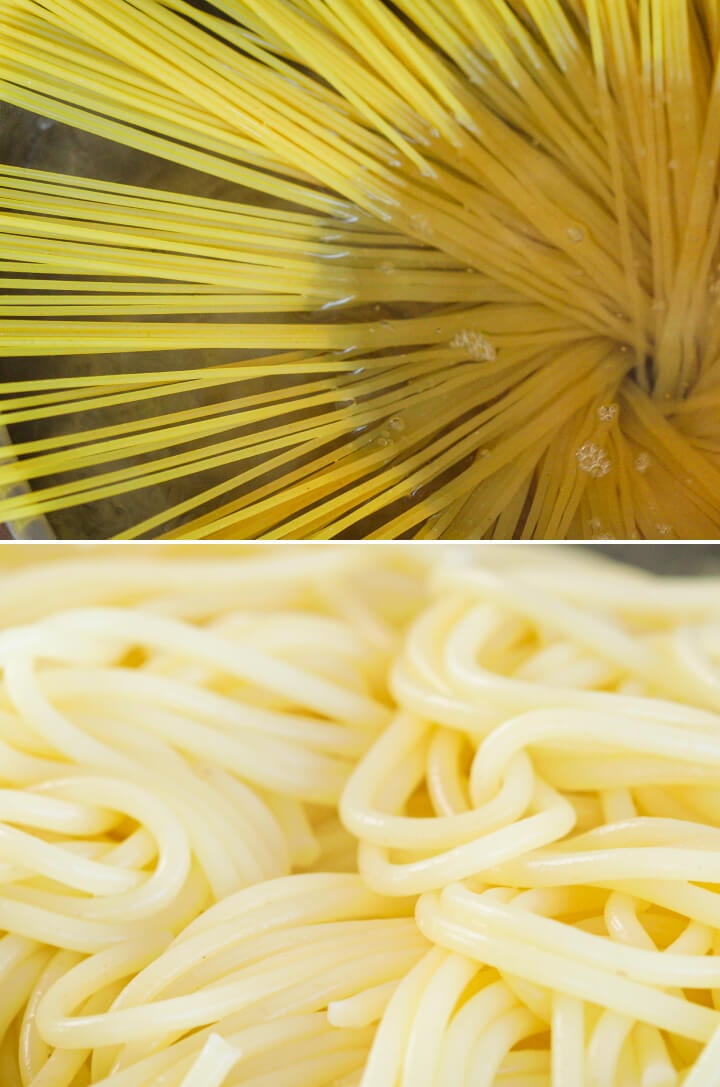
Bring a large pot of water to a rolling boil, then salt it generously. Add the spaghetti and cook until al dente, tender, but still with a little bite, so it holds up once you toss it through the sauce.
Before you drain, scoop out around 1 cup of the starchy pasta water and set it aside. This is your safety net for carbonara: a splash helps loosen the sauce, improves emulsification with the eggs and cheese, and makes it easier to coat every strand evenly. Drain the pasta, but don’t rinse it.
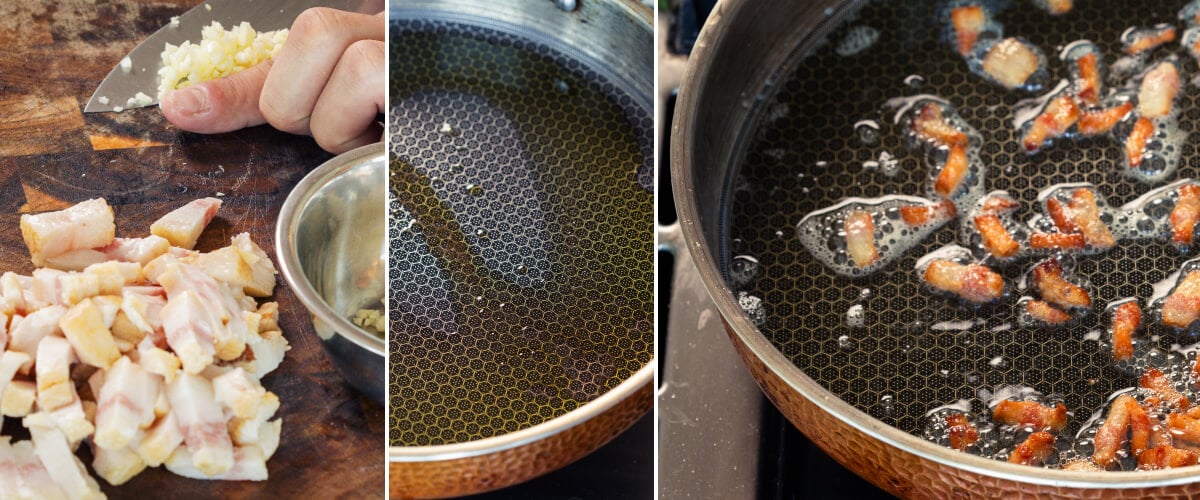
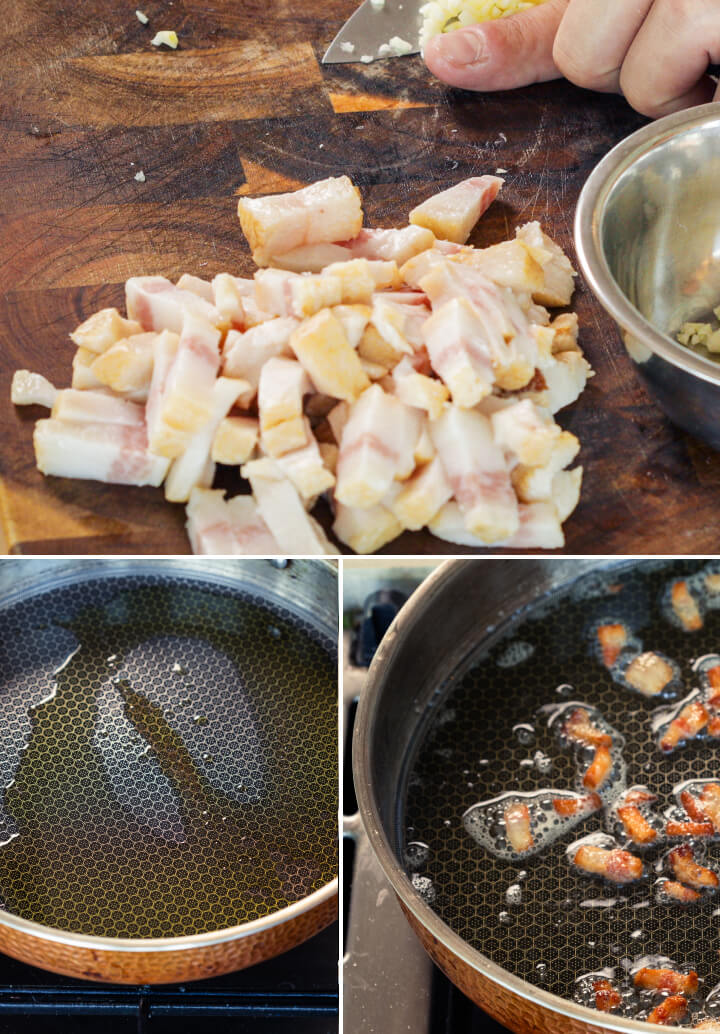
Set a frying pan over a medium heat and add your pancetta or guanciale. Let it render slowly, stirring occasionally, until the fat has melted out and the edges are crisp and golden.
Once it’s sizzling nicely, add your infused butter or infused olive oil (use the measured amount you’ve chosen for dosing) and toss to coat. Keep the heat steady; too hot and you’ll risk burning the meat and degrading flavours.
As soon as everything is crisp and fragrant, take the pan off the heat. This pause prevents overcooking and maintains a low pan temperature for the next step, where the eggs require gentle heat.
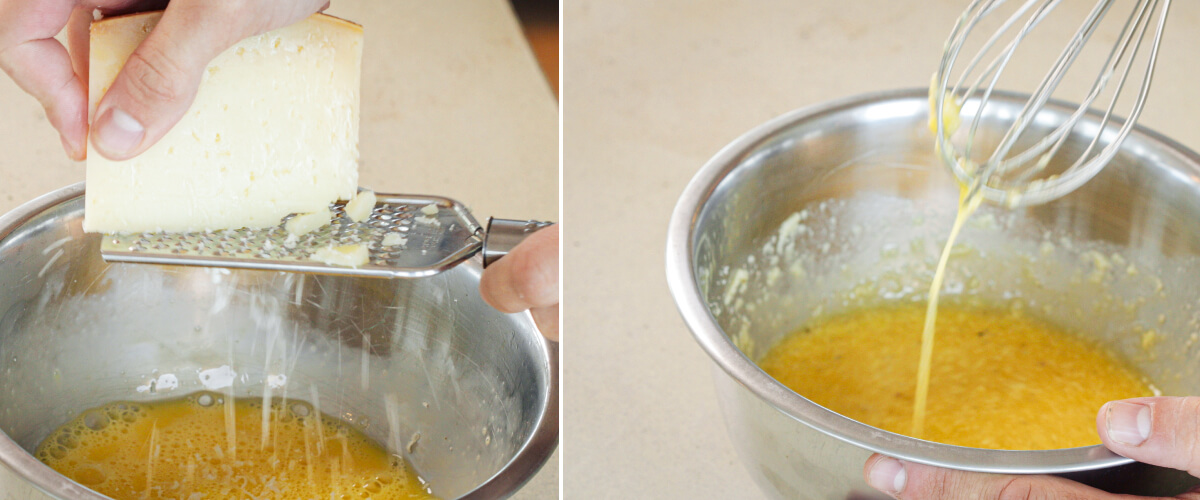
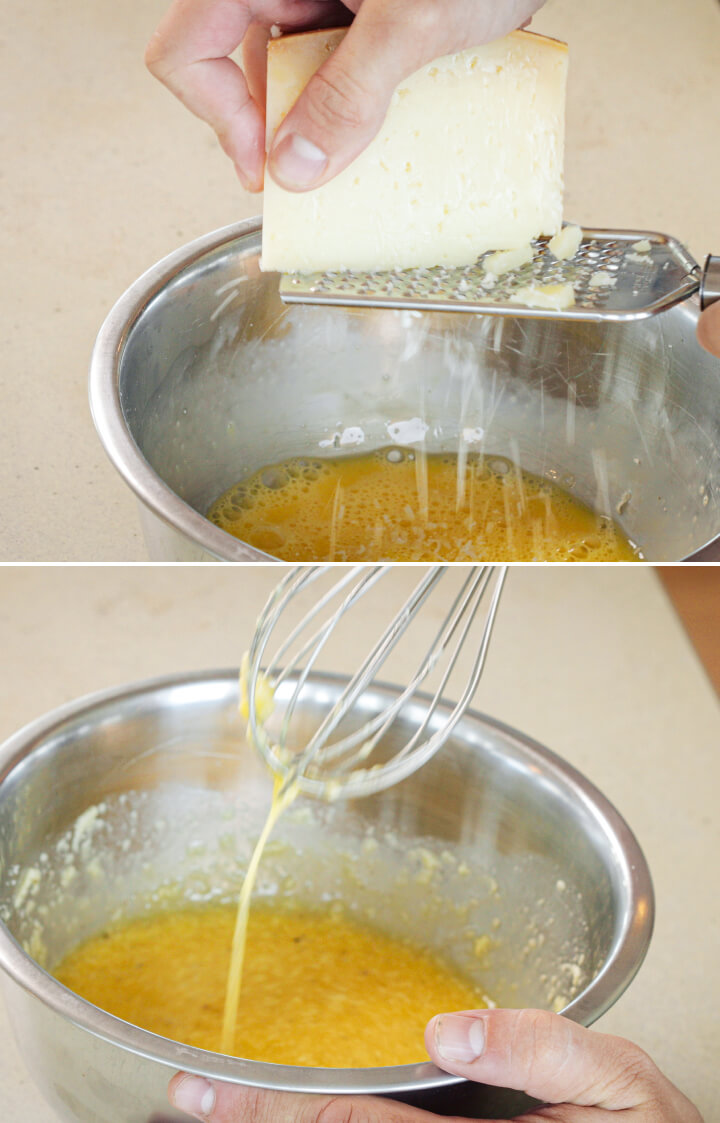
In a bowl, add the whole eggs, extra yolks, and your grated Parmesan or Pecorino. Whisk briskly until the mixture looks smooth and uniform, with no streaks of yolk and no dry pockets of cheese remaining.
Season generously with freshly cracked black pepper. This isn’t just for heat; pepper is a classic carbonara flavour and helps balance the richness of the eggs, cheese, and rendered pork. Keep the bowl nearby; once the pasta is ready to combine, you’ll want to mix it in quickly while the noodles are still hot.
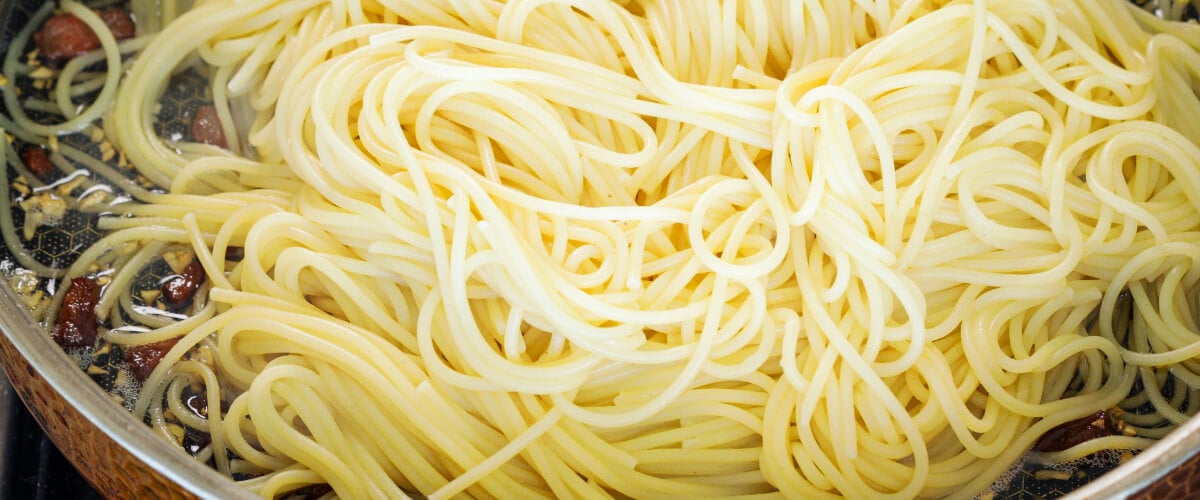
Add the drained spaghetti straight into the pan with the pancetta or guanciale. Make sure the pan is removed from the heat at this point; residual warmth is enough, and it helps prevent the next stage from turning into scrambled eggs.
Use tongs to toss thoroughly, lifting and turning the pasta until every strand is coated in the rendered fat and infused butter or oil. Take an extra moment here: even coating means better flavour, a glossier finish, and more consistent dosing from plate to plate. If the pasta looks a little dry, add a small splash of the reserved pasta water and toss again.
Working quickly, pour the egg-and-cheese mixture over the hot pasta in the pan. Immediately toss and stir with tongs, lifting the spaghetti and turning it through the eggs so they thicken gently from the pasta’s heat rather than setting.
You’re aiming for a glossy, creamy sauce that clings to each strand of pasta. If it looks too thick or starts to tighten, add a splash of the reserved pasta water and keep mixing. The starch helps the sauce emulsify, smoothing out the cheese and creating that classic carbonara texture.
Keep the pan off the heat throughout. If you need extra warmth, use the lowest hob setting for just a few seconds, then remove it again.
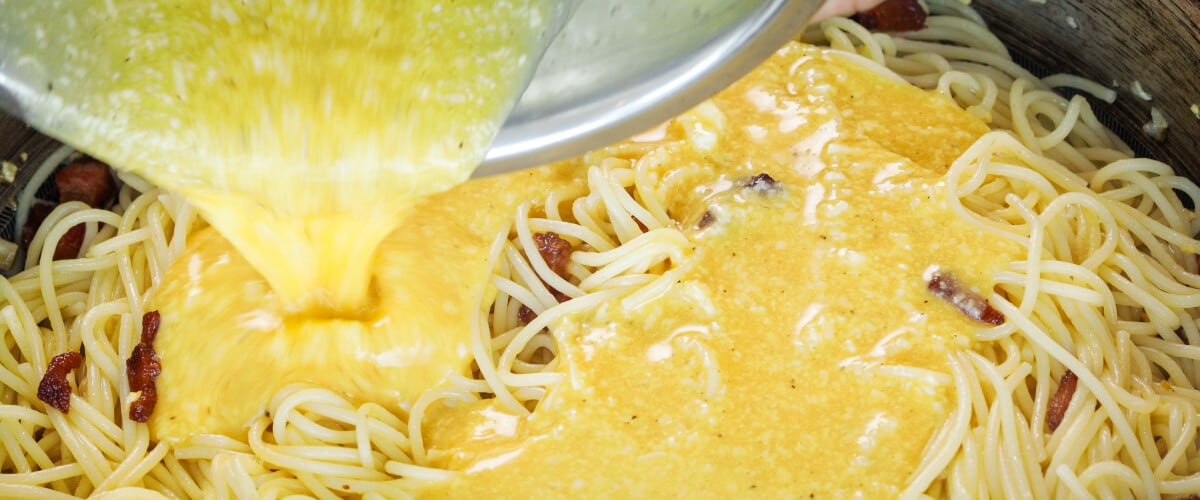
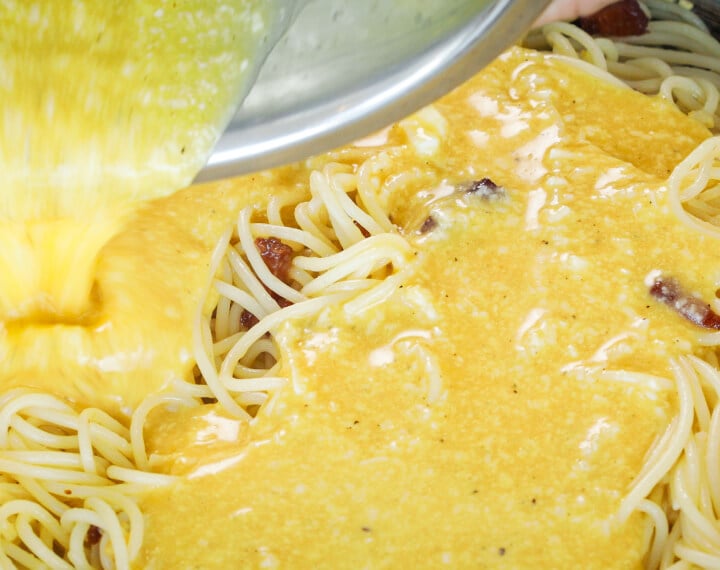
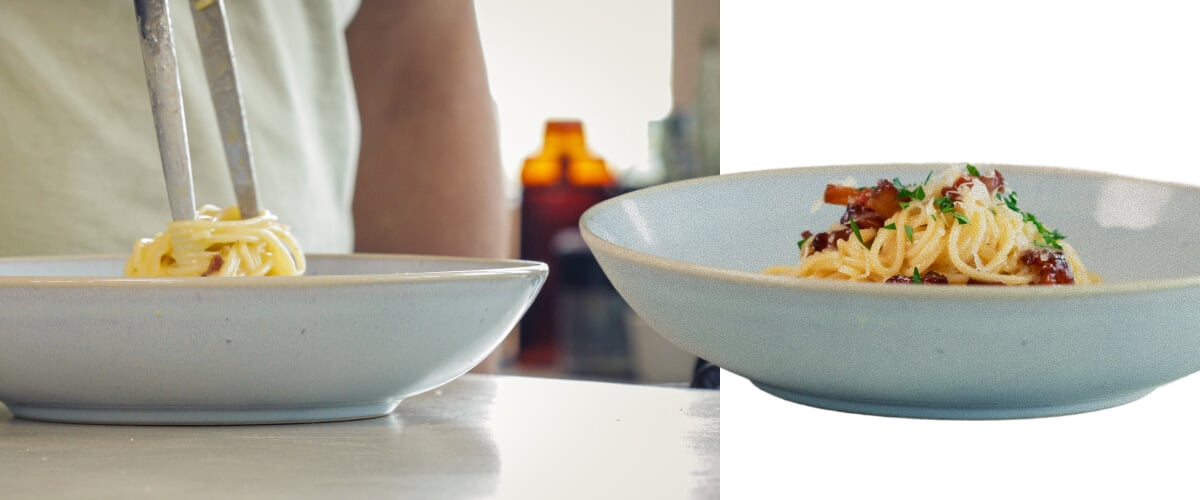
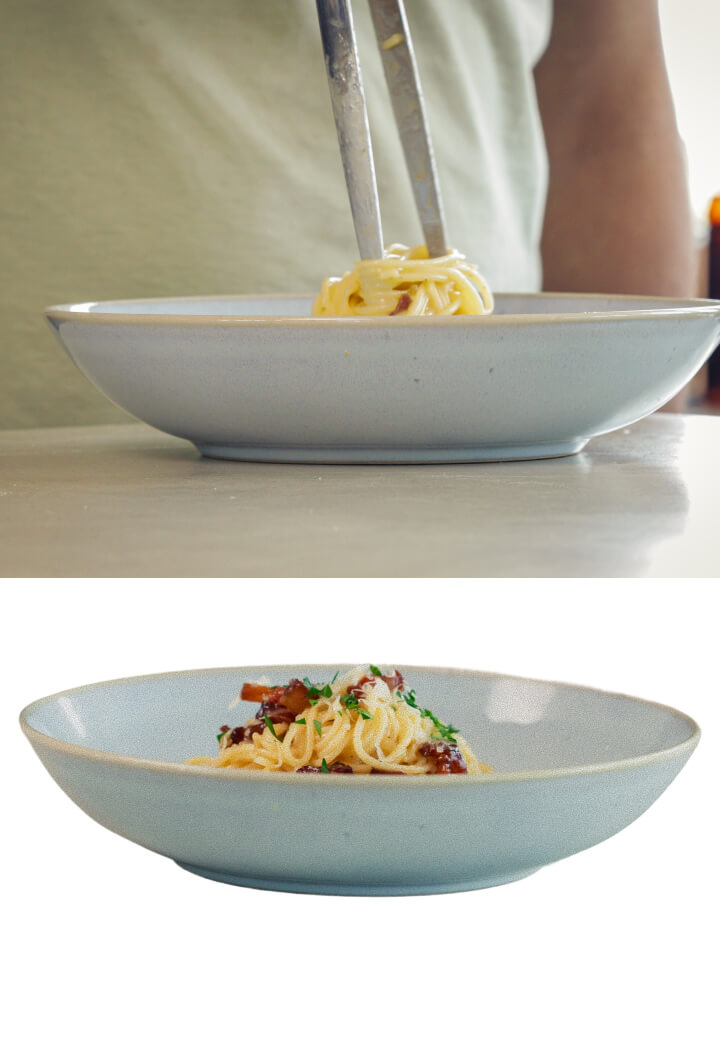
Plate the carbonara immediately while the sauce is silky, and the pasta is still hot. Finish with an extra grind of black pepper and a little more grated cheese, if you prefer a richer and sharper flavour.
Serve immediately for the best flavour and texture. Carbonara tightens as it sits, and reheating can cause the egg sauce to split. If you’re serving multiple people, portion first so each plate gets a fair share of pancetta and the infused fat.
The most reliable way to portion this dish is to estimate the THC content of your infused butter or oil, then work backwards to a per-serving amount.
A simple method is:
Example: 5 g of cannabis at 20% THC contains 5 × 1,000 × 0.20 = 1,000 mg THC in theory. If you assume a realistic 70% efficiency, that’s about 700 mg THC in your fat. If you infuse into 100 g butter (roughly 7 tbsp), you’re at around 100 mg per tablespoon. Using just 1 tbsp across four servings would be about 25 mg per plate.
Edibles can take 30–120 minutes to take effect, and their effects may build as the dose accumulates. Start low and go slow: begin with a smaller portion, wait, and only then consider more.
Carbonara is rich by design, so pair it with something light. A crisp green salad with lemony dressing, steamed greens, or simple grilled veg will cut through the creaminess without competing with the flavour.
This dish is best enjoyed in a relaxed setting where you can take your time, eat slowly, and observe how you feel as the effects take hold.
Be sensible after eating: avoid heavy activity, and never drive or operate machinery post-consumption. If you’re serving others, keep portions consistent and make sure everyone knows it’s infused.
DisclaimerWhen consumed, THC metabolizes into 11-hydroxy-THC, which enters the body through the stomach and liver, resulting in a significantly stronger effect due to its increased affinity for CB1 receptors in the brain.
Ensure accurate portion control. Begin with small doses and gradually increase to develop tolerance.
Remember: Set and Setting will help you deal with various situations.
Stay Cultivated.