Amount exceeded


4.7 out of 5 based on 59817 reviews




















4.7 out of 5 based on 59817 reviews
I ran Gaia F1 because I wanted to see what F1 hybrid vigour looks like in a real-world indoor run, how consistent the plants feel from seed to harvest, how quickly they move once they’re established, and how smoothly they can finish when you keep the routine simple and the environment stable.
This report pulls from real Grow Diaries notes and photos, written up in a practical, week-by-week format so you can track what happened, when it happened, and what I’d do the same (or differently) next time. Halfway through, I kept thinking how useful a Gaia F1 week-by-week grow guide would be for planning watering volume, pH, and that point where it’s smarter to stop feeding and just let an autoflower ripen. The full lifecycle landed right where Gaia F1 is meant to: up to 10 weeks from sprout to harvest, with a compact frame, fast flowering, and a steady pace that never felt chaotic. I leaned on an organic-style approach, focused on airflow and consistent light distance, and tried to avoid the classic auto mistake of overcorrecting.
This run was built around a compact but controllable indoor environment, exactly what an autoflower benefits from when the clock starts the moment the seedling breaks soil.
Airflow did a lot of quiet work in this tent. I kept one oscillating fan above the canopy and another lower down to stop stale pockets from forming around the pots, while extraction and filtration maintained steady negative pressure. Light management mattered just as much. I kept the fixture roughly 35 cm from the canopy and resisted the urge to make big jumps. With a fast auto, incremental changes are usually safer than aggressive moves that can cause stress you don’t have time to correct.


|
New Breed Auto x Black Domina x Sin Tra bajo |

|
XXL |

|
50 - 70 cm |

|
40 - 45 days |

|
Very high |

|
Physically Relaxing, Sleepy, Stoned |

|
Low |

|
65 - 70 days after germination |
For week one, I sowed directly into the final 11 L Air Pots filled with BioBizz Light-Mix to avoid transplant stress and keep early growth uninterrupted. Lighting stayed on an 18/6 schedule, with the fixture held at around 35 cm. The tent ran at roughly 26°C with ~50% RH, and I kept the irrigation pH around 6.0–6.1. Watering was deliberately light, about 0.5 L across the week, applied in small rings around the seedling rather than soaking the entire pot. The goal here was to encourage the roots to explore without leaving the medium constantly wet. Growth was quick from the start. By the end of week one, one seedling sat around 8 cm and the other around 7 cm, with clean, symmetrical leaf development and a compact posture that suggested the light distance was in the right zone.
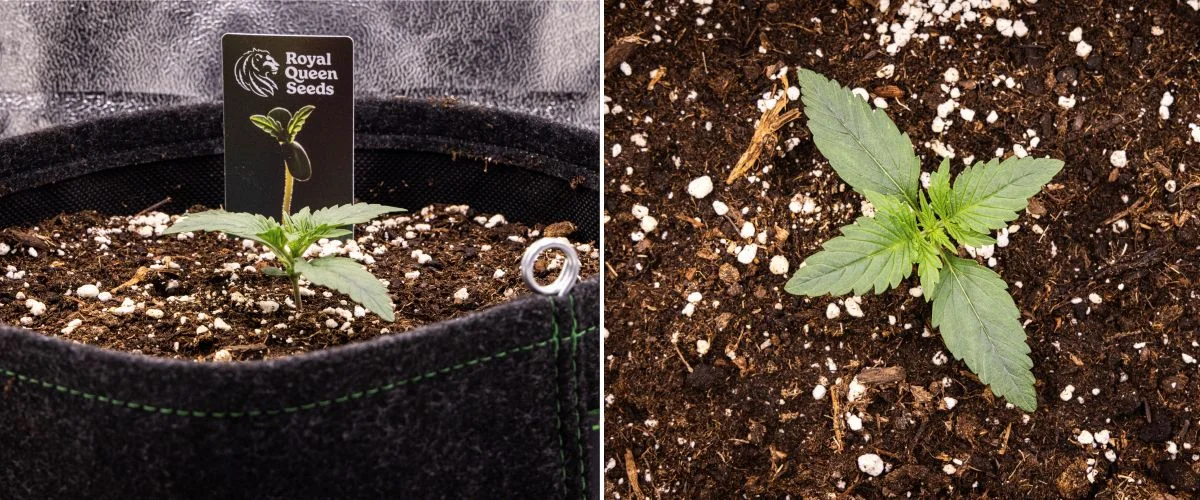
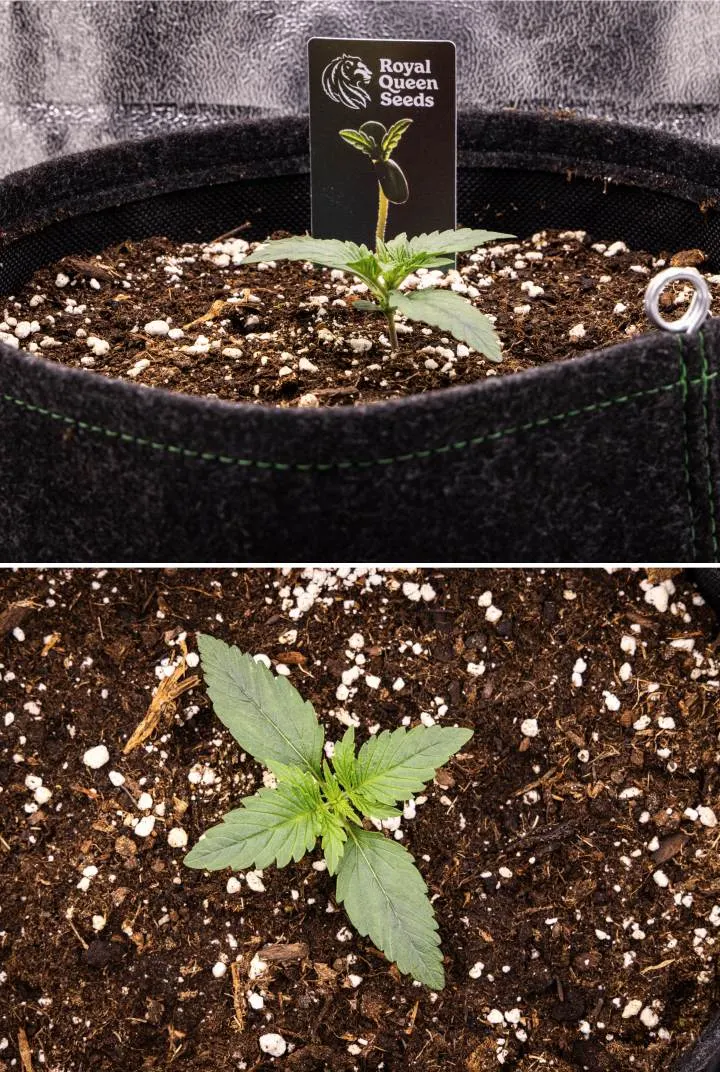
Gaia F1 doesn’t hang around in veg for long. The plant establishes fast, stacks nodes tightly, and starts hinting at flowering earlier than many growers expect if they’re coming from photoperiods. My goal in this window was simple: keep the environment stable, scale watering sensibly, and avoid overfeeding. Weeks 2–4 are where an autoflower like Gaia F1 shifts from “just established” to building the structure that will carry flowering sites. With this strain, veg doesn’t drag on; she moves fast, so the basics matter: steady light, stable conditions, and a measured approach to watering and feeding.
The 18/6 schedule stayed consistent, and the light remained about 35 cm from the canopy. Conditions held at around 27°C with ~50% RH, and pH stayed close to 6.0. Watering increased slightly to roughly 0.75 L across the week; still conservative, but enough to match the plant’s faster pace. By the end of week two, the plants had visibly stepped up a gear. One measured around 16 cm, and what stood out most was how dense the growth was. Internodes stayed tight and foliage stacked quickly, which is great for building flower sites later, but it also made me think ahead about airflow once the canopy thickens.
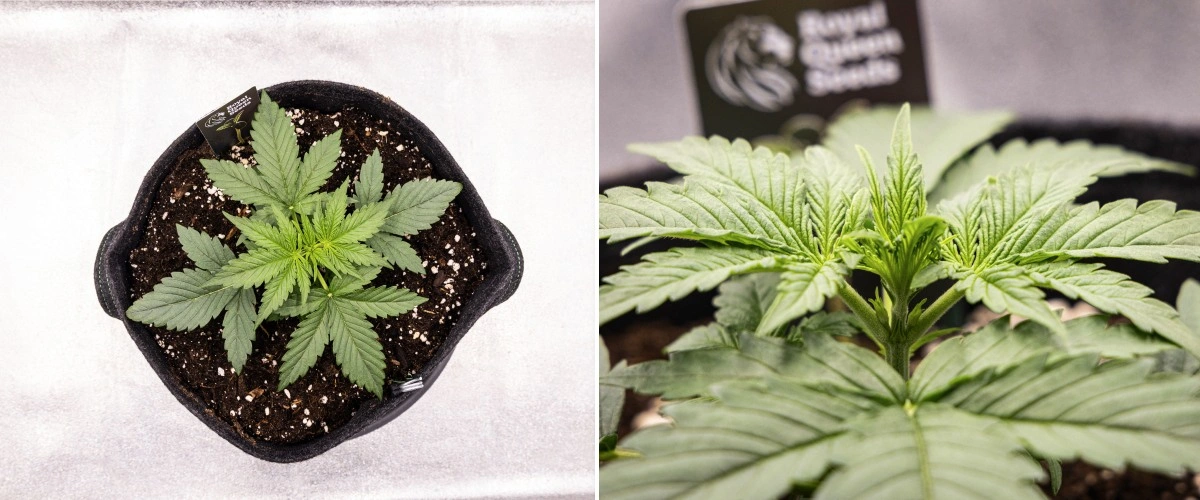
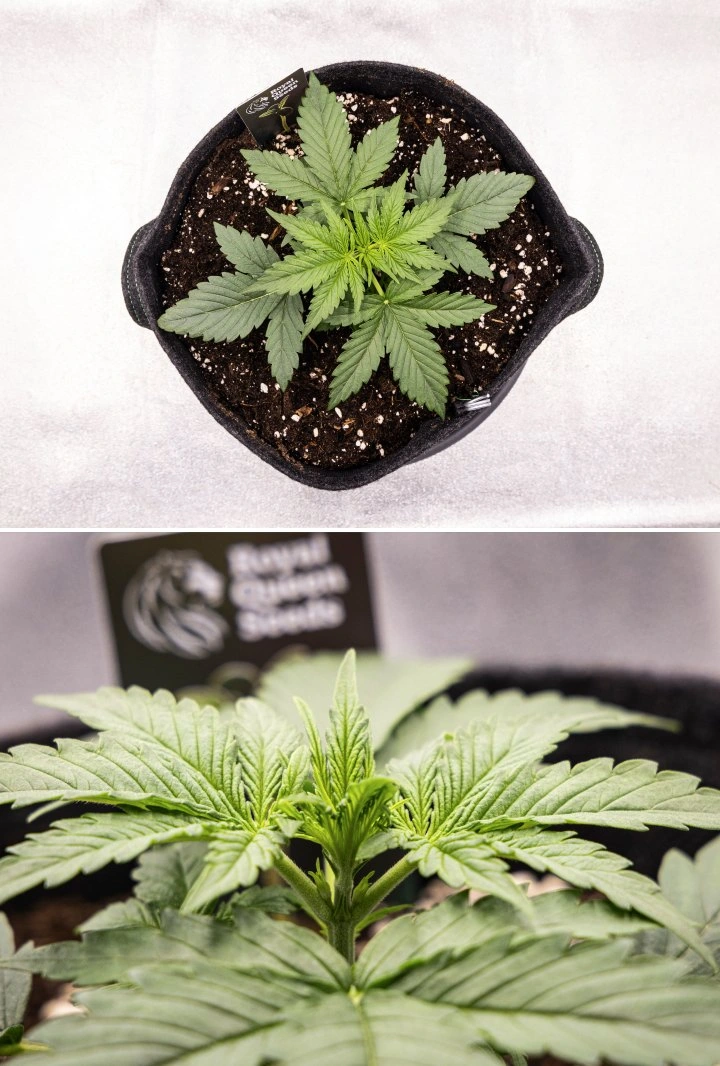
Week three was the first week where it felt like the run was pivoting toward bloom. Temperatures stayed near 27°C, humidity dropped toward ~45%, and pH remained in the 6.0–6.1 range. Light distance stayed steady at ~35 cm. Watering rose again to about 1.0 L for the week. Growth was obvious: by the end, one plant was around 30 cm and the other around 26 cm. Structurally, the plants stayed upright and compact rather than sprawling. Early flower development started showing at multiple sites, which is normal for autos as they move quickly from building frame to building buds.
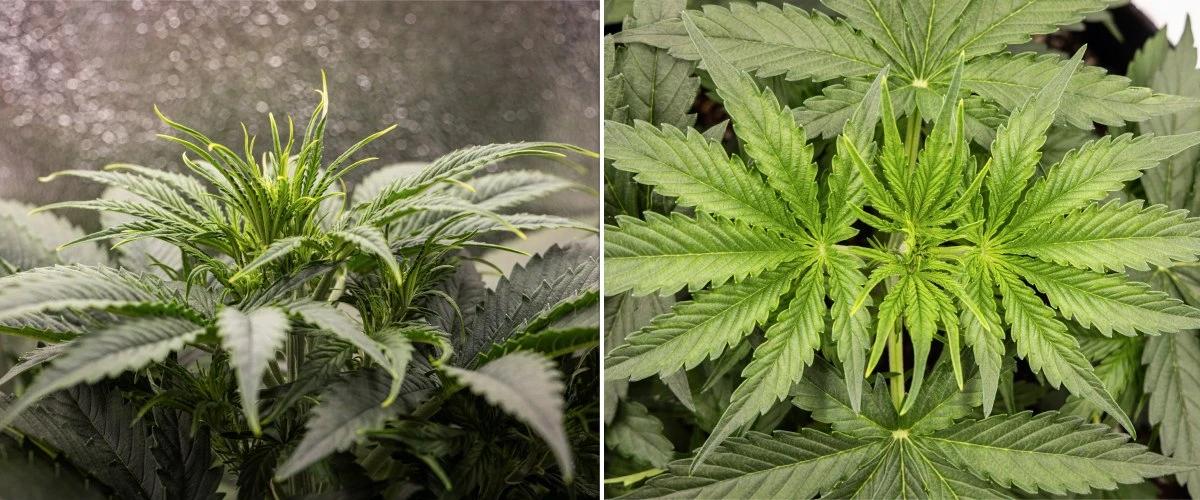
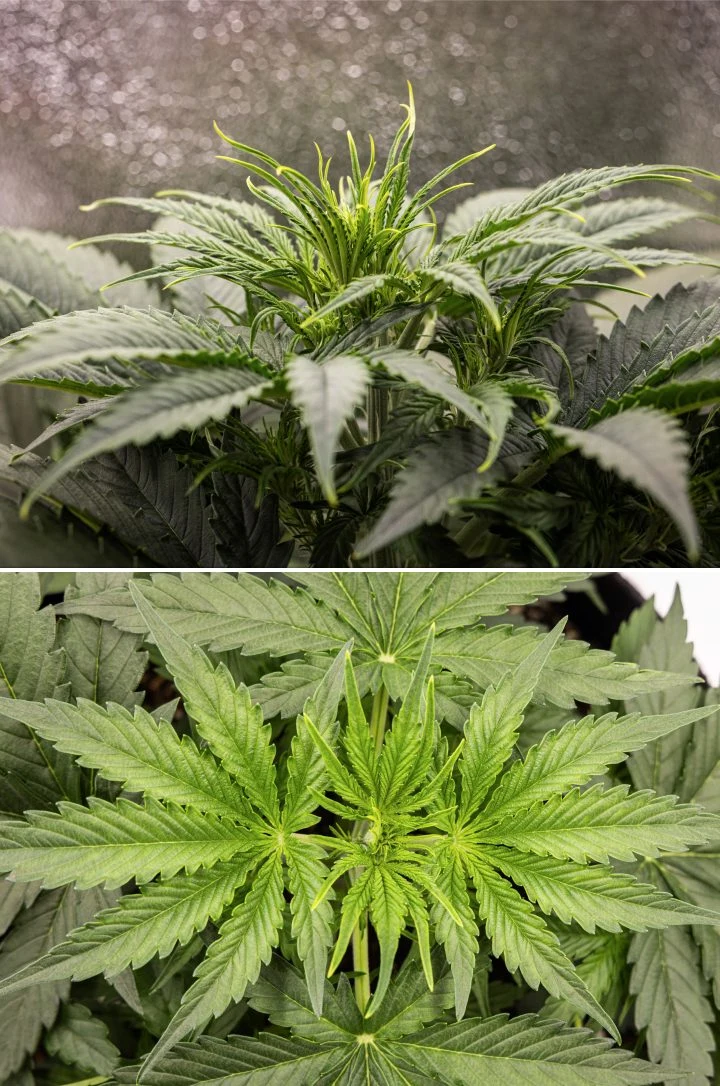
Week four felt like the handover from “late veg” into proper flower prep. Conditions stayed steady at about 27°C, with humidity sitting in the 40–50% range and pH around 6.0. Light distance remained close to 35 cm. Watering increased again to roughly 1.25 L across the week. Stretch was clearly underway: by the end of week four, one plant reached around 46 cm and the other around 39 cm. This was also the point where I started keeping the canopy a little cleaner. I did a light defoliation and a bit of lower tidy-up; nothing extreme, just enough to keep airflow moving and stop the undergrowth from becoming a shaded, humid mess later on.
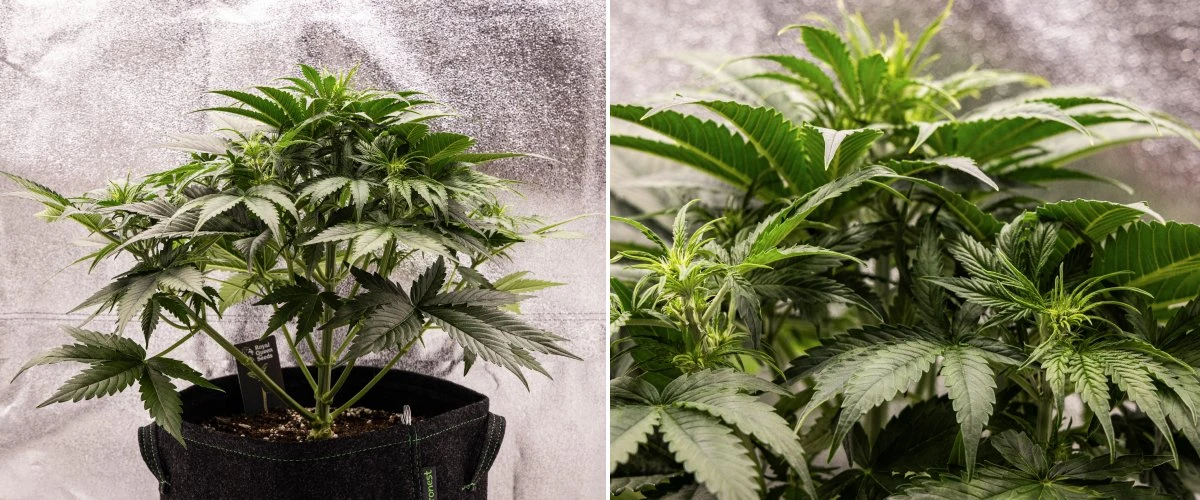
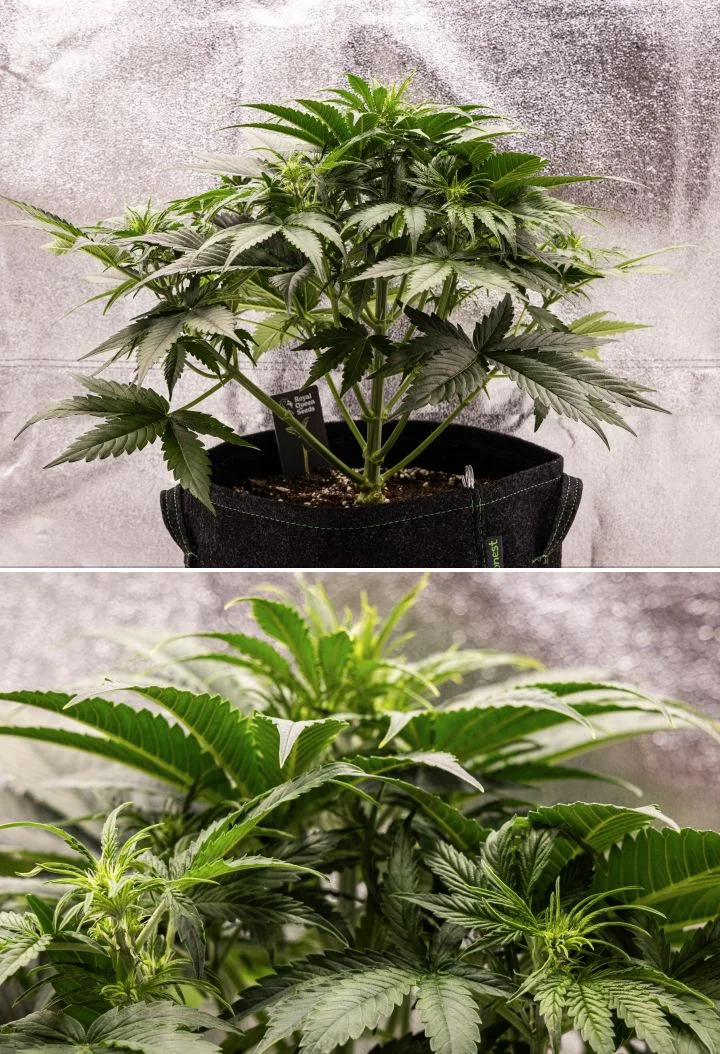
From week five onwards, the priorities shift from building structure to managing the last stretch, stacking flowers, and keeping conditions steady. Gaia F1 is bred to be compact and consistent, but she can still pack a lot of growth into a short time. The aim is stability: controlled humidity, good airflow, and a watering rhythm that keeps roots oxygenated. Across weeks 5–10, I kept the light schedule consistent, held the lamp around 35 cm, gradually increased watering volume as demand rose, and simplified feeding as harvest approached. Watching the plants closely mattered more than chasing a “perfect” schedule.
Get the
Cultivation Report

Week five marked the real shift into flowering. The plants were still stretching, but buds were starting to form across the branches rather than just at the tops. Conditions stayed stable around 27°C with ~50% RH, pH hovered around 6.0, and watering settled into a clear rhythm, roughly every three days. Total volume logged for the week was about 1.5 L. By the end of week five, one plant hit around 61 cm and the other around 52 cm. The canopy was getting denser, and flower sites were multiplying quickly, which is exactly when humidity control and airflow start paying dividends.
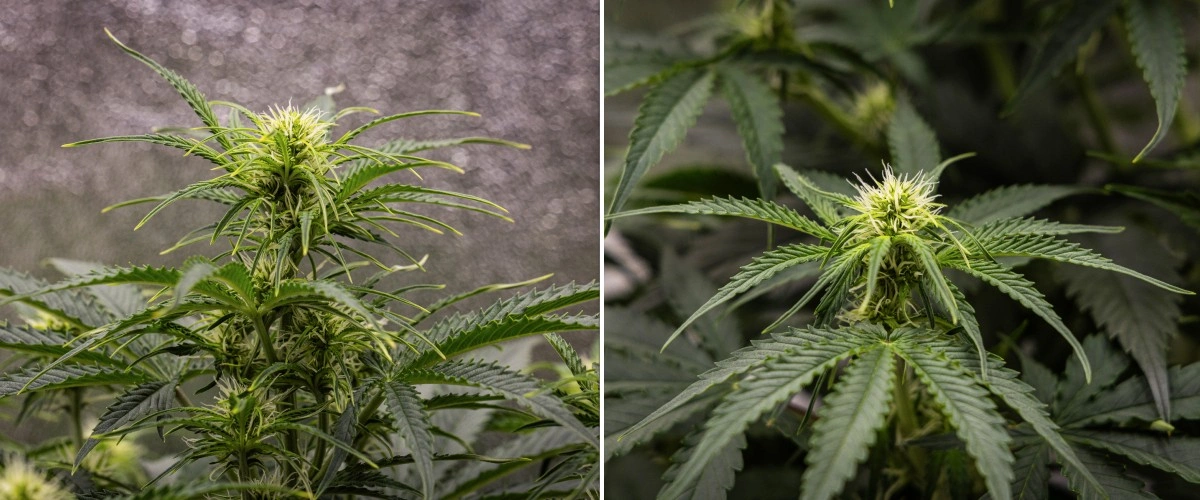
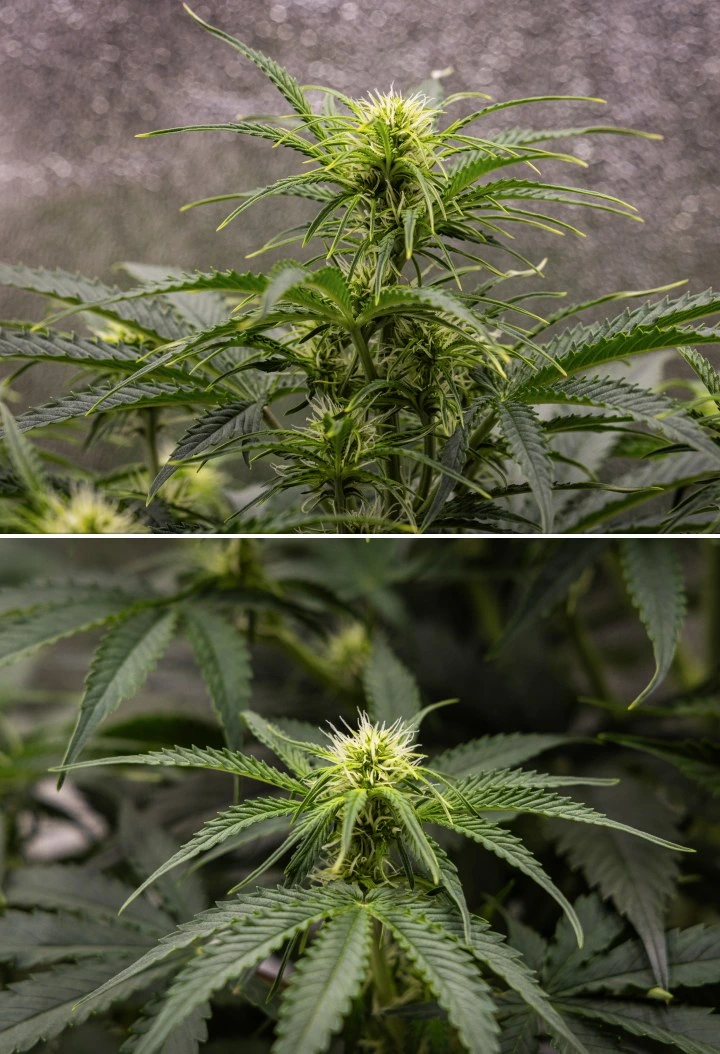
By week six, the stretch slowed, and the plants’ energy shifted into building flowers. Heights levelled out around 62 cm and 54 cm, with only minor changes day to day. I held humidity closer to ~40% this week, kept temperatures around 27°C, and maintained pH at about 6.0. Watering volume was still around 1.5 L for the week, with a note in the diary that demand can rise significantly as the plants mature, up to around 3 L per plant per watering once they’re really drinking. This was the stage where consistency mattered most. Instead of pushing more and more inputs, I focused on keeping the environment steady and letting the plant do the work.
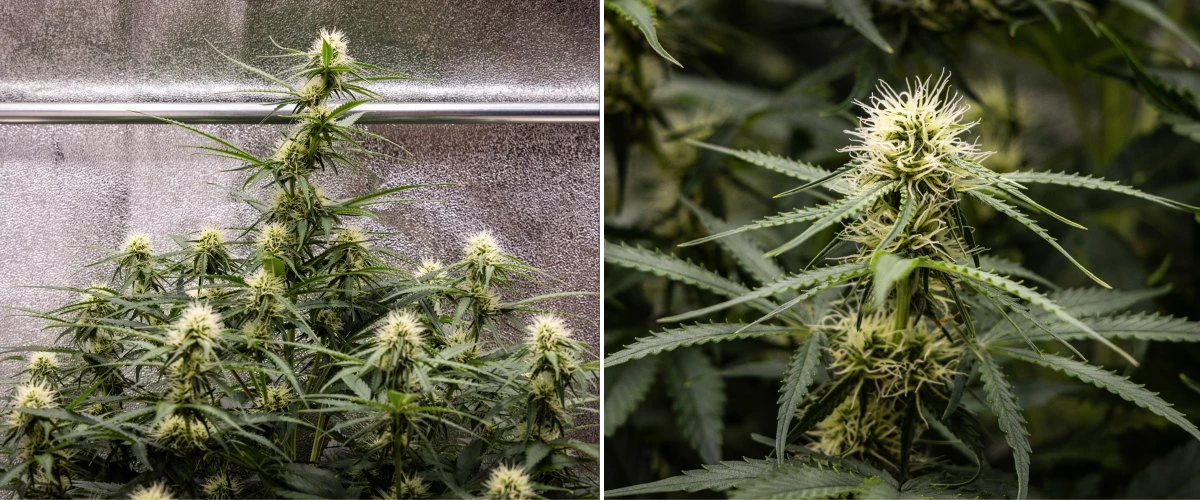
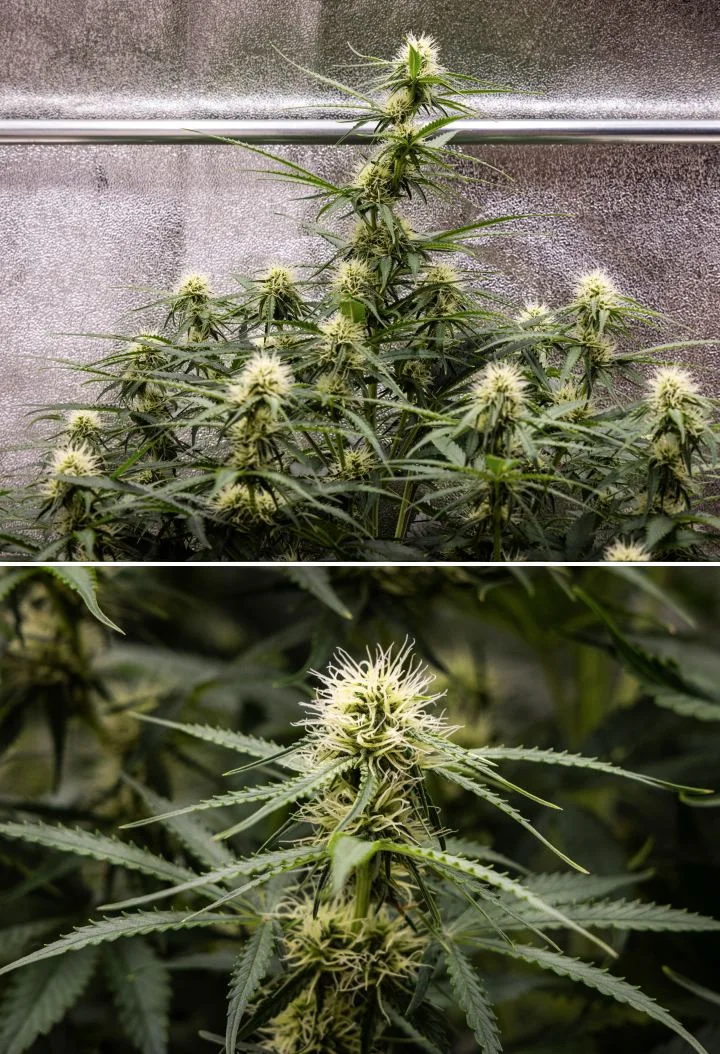
Week seven looked like “nearly there”. Buds were noticeably resinous, pistils were starting to brown, and the plants had stopped gaining height in any meaningful way (still sitting around ~62 cm). Conditions stayed stable at around 27°C with humidity held around 40%, pH stayed near 6.0, and light distance remained consistent. This was also the week when I started simplifying the finish. Rather than continuing to feed right to the line, I backed off and started thinking like it was a ripening phase: keep things steady, avoid late stress, and don’t introduce new variables.
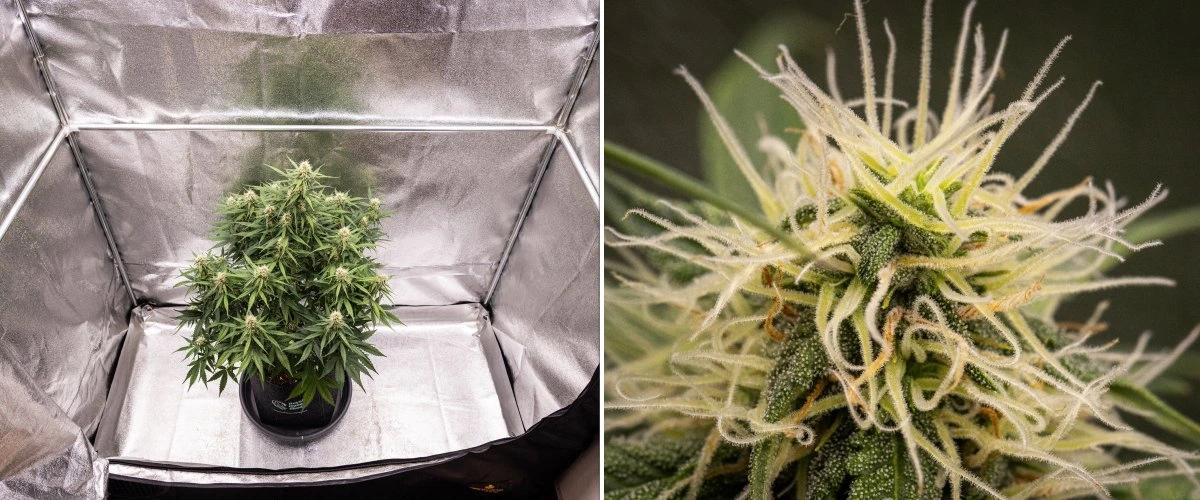
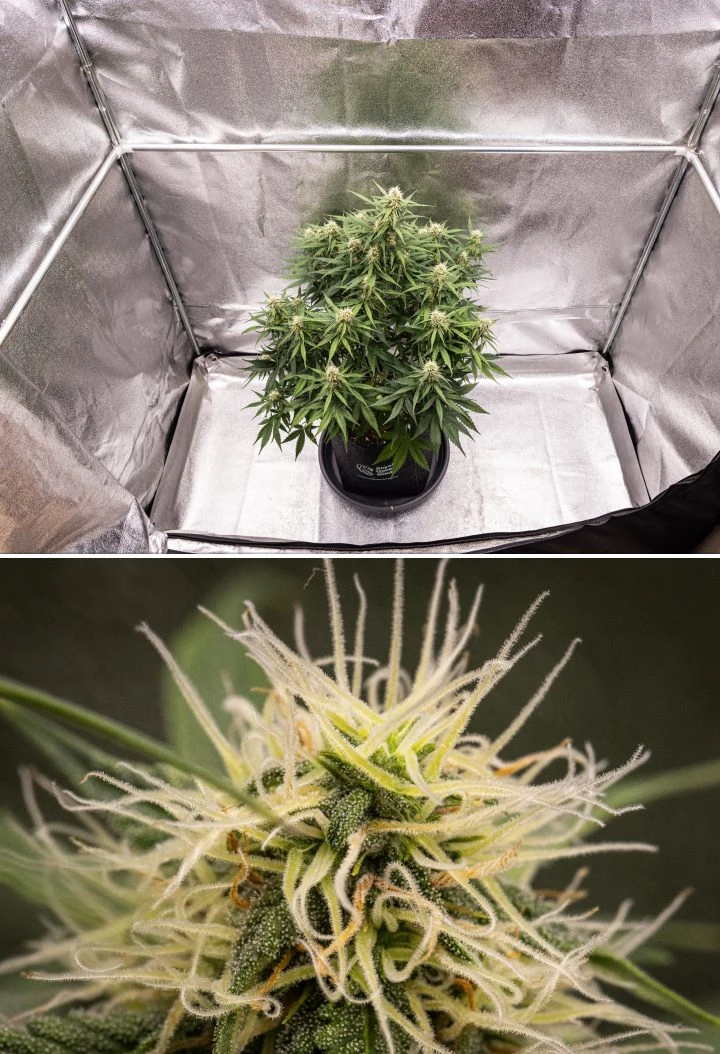
Week eight was the “ready to finish” window. The plants were fully in late flower, with buds covering the branches and resin production clearly visible. I kept the same approach: stable conditions (around 27°C, ~40% RH), pH around 6.0, and watering on that same every-three-days rhythm. The key difference was restraint; this is not the point where I want to chase extra growth. It’s the point where I want the plant to finish cleanly.
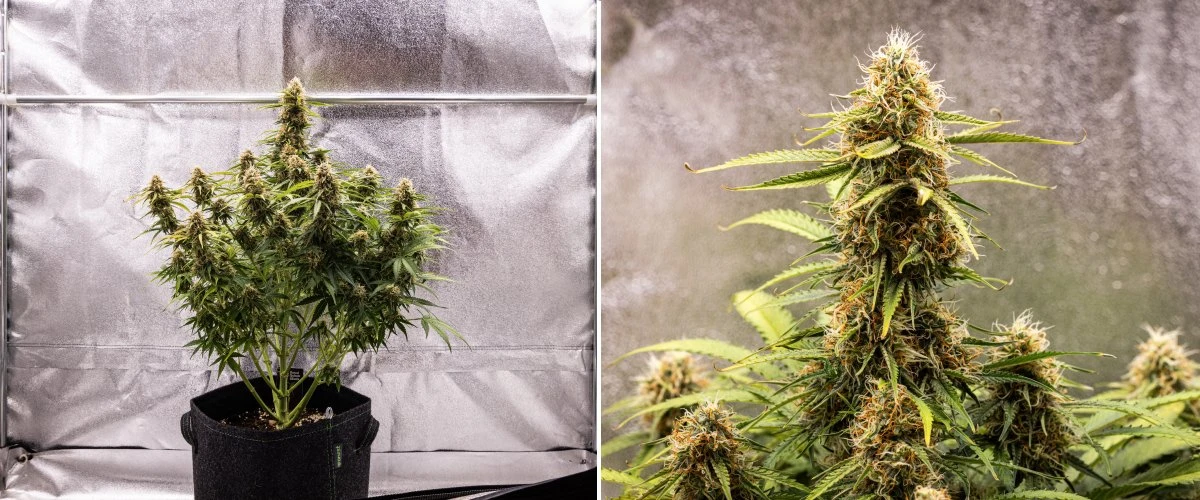
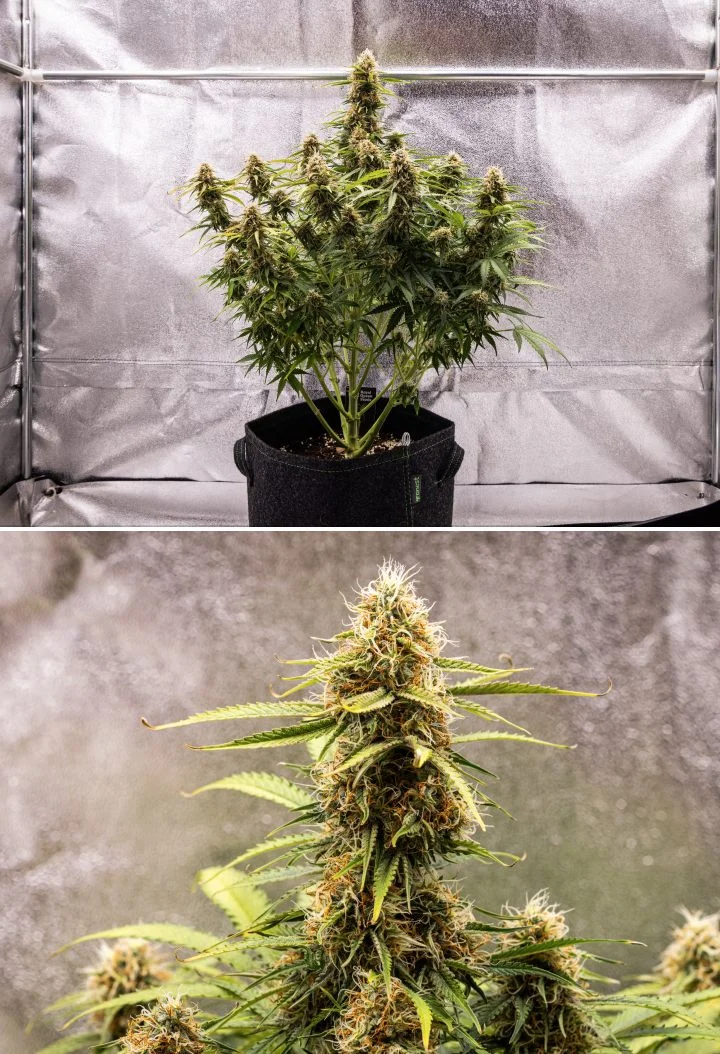
Gaia F1 is designed to be ready up to 10 weeks from sprout, so weeks nine and ten are where I treat the grow like a controlled landing rather than a push for more. At this stage, I keep things simple:
These final weeks are where patience makes a bigger difference than “doing more”. If the plant looks close at week nine, I still give it the time it needs to finish properly, because that last bit of ripening is where flower quality often improves most.
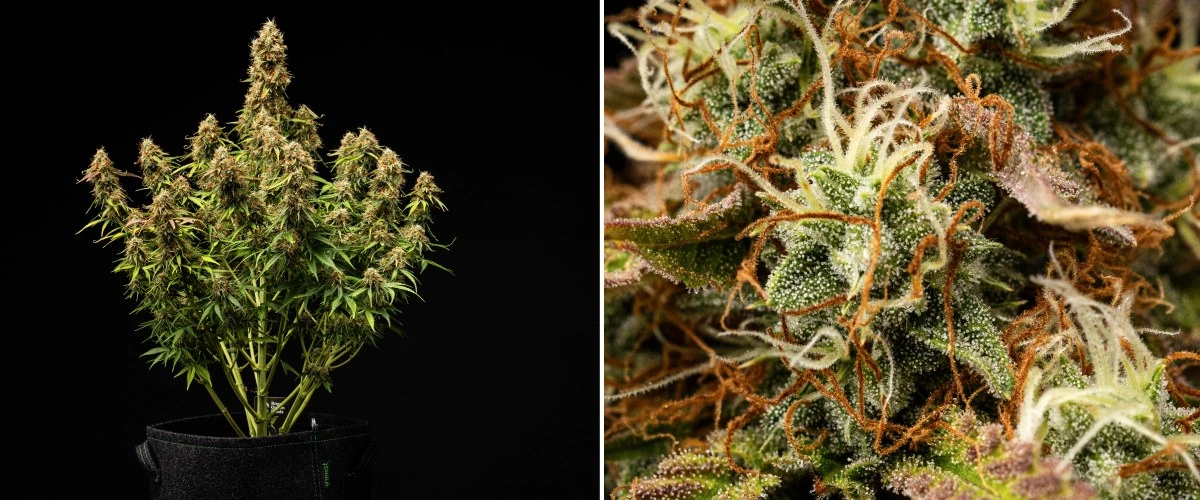
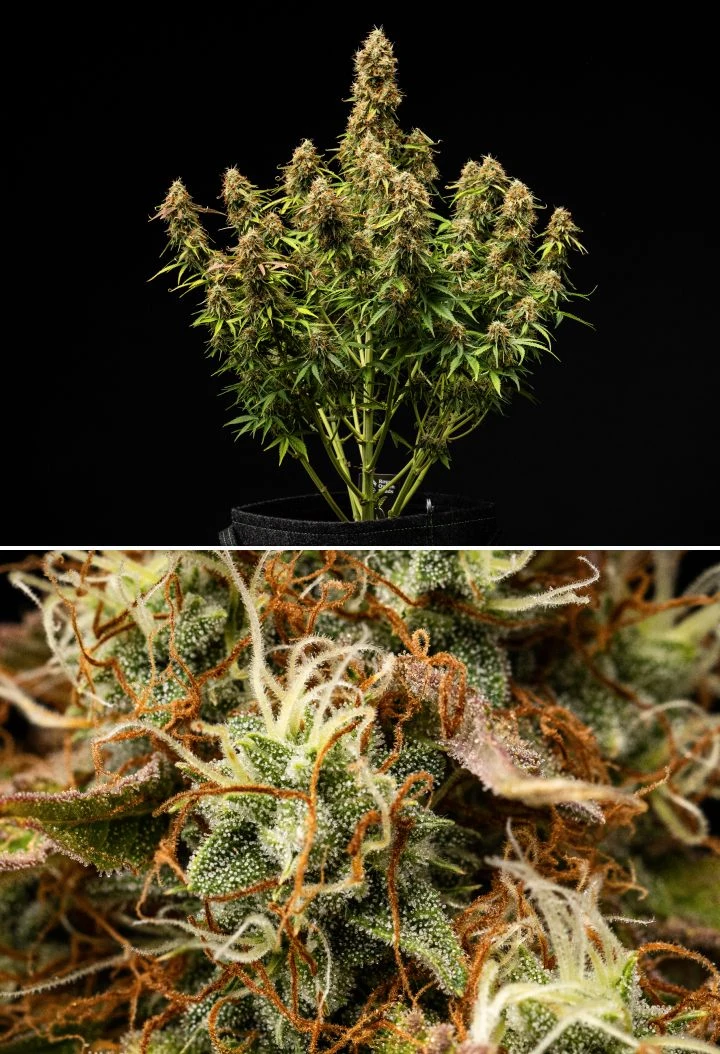
Once the plants looked ready, I harvested and recorded the final results. Final dry yield:
For a compact, fast-moving auto, that was a really satisfying outcome, especially with a routine that stayed straightforward and didn’t rely on constant intervention.
Gaia F1 shares her name with the Greek goddess of Earth, and the concept fits: she’s bred to feel grounded and consistent, both in growth and in the final experience. As an F1 hybrid auto, she’s designed around hybrid vigour and uniformity, meaning growers can expect near-identical plants in terms of size, structure, aroma, and potency. What stood out most across the run was how predictable the pace felt. The plants stayed compact, moved quickly into flowering, and tracked toward that up to 10-week finish without needing complicated scheduling.
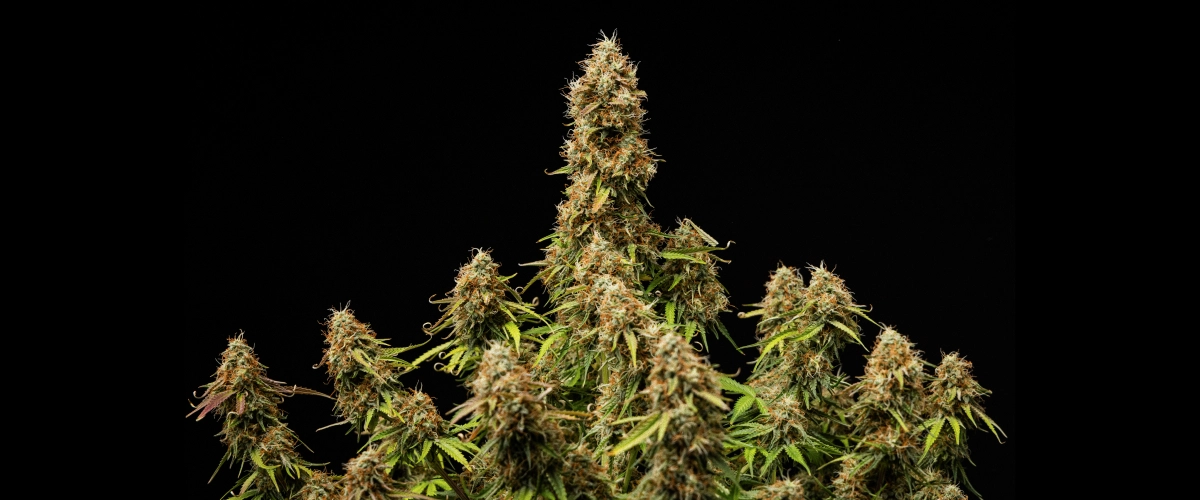
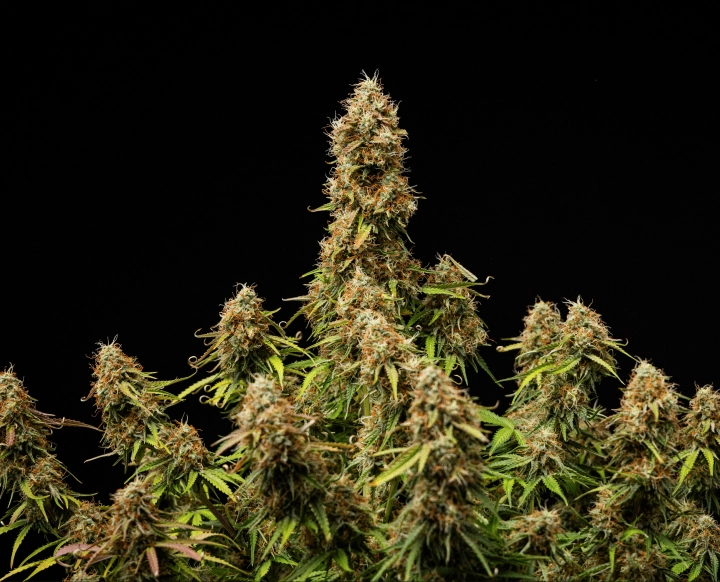
Gaia F1 was created using parent genetics New Breed Auto, Black Domina, and Sin Tra Bajo, developed through an extensive breeding project that culminated in crossing three highly pure inbred lines. That’s the foundation of the F1 approach: lock in traits through refinement, then combine lines to express hybrid vigour and stable, repeatable results. In practical terms, that breeding intent showed up as consistent development and a “no surprises” feel, exactly what you want if you’re trying to plan a grow diary week by week.
Gaia F1 is bred to be quick, compact, and consistent.
Despite the smaller frame, Gaia F1 is positioned as an XXL yielder, and the structure is well-suited to tight indoor spaces where headroom is limited. The biggest practical notes from this run were simple: keep airflow strong as foliage thickens, keep humidity under control during flowering, and scale watering gradually rather than in sudden jumps.
Gaia F1 is known for a terpene profile led by myrcene, terpinolene, and caryophyllene, with pinene also contributing to the overall aromatic feel. Flavour-wise, she leans into pineapple sweetness, cool mint, and bright citrus, giving a profile that’s moreish without being heavy. The effects are firmly on the relaxing side: physically soothing, stoning, and often sleepy, the kind of cultivar that suits evenings, slow days, or downtime when you want to unwind and switch off. As always, the final aroma and overall experience can vary depending on environment, harvest timing, and drying/curing.