Amount exceeded


4.7 out of 5 based on 60193 reviews




















4.7 out of 5 based on 60193 reviews
.
Sweet, balanced, or more potent? See how decarboxylation and flavour shape edible results, plus which strains suit gummies, bakes, and infused oils best.
Key Takeaways
Cooking with cannabis works very differently from smoking or vaping. Effects take longer to arrive, often feel stronger, and can last much longer, so preparation matters from the start. Strain choice also plays a bigger role with edibles, because cannabinoid balance, flavour, and how well certain terpenes hold up during heating all influence the final result.
During decarboxylation, heat converts cannabinoids into a more active form while also changing some aromatic compounds, which is why temperature control is so important. Choosing the best cannabis strains for edibles depends on the type of experience and recipe you want, whether that is rich baked goods, sweets, or more savoury infusions. This guide covers how to choose well and which strains suit different edible styles.
A good edible strain is not just about high THC. THC-heavy genetics can feel much stronger when eaten than when inhaled, so even experienced smokers often need a lower dose in food. CBD-rich or balanced strains are often easier for beginners, as they usually offer a gentler, more manageable overall experience.
Potency should be considered carefully, but flavour matters too. Delicate terpenes often fade during decarboxylation and infusion, but earthy, spicy, citrus, and herbal notes tend to leave a noticeable trace in butter or oil. That makes flavour compatibility worth considering before you start. Sweet recipes often pair well with fruity or creamy profiles, while savoury dishes tend to suit gassy, peppery, or herbal strains.
As a simple buyer’s guide, look at cannabinoid ratio, overall strength, and whether the strain’s aroma fits the recipe you want to make.
Not every strain performs the same once it is decarboxylated, infused, and cooked into food. Some bring bold flavour, some are easier to dose, and others suit specific recipes better than baked goods or sweets. Below, we’ll look at five strong options for edible-making, with practical notes on potency, flavour profile, and the types of infusions they tend to suit best.

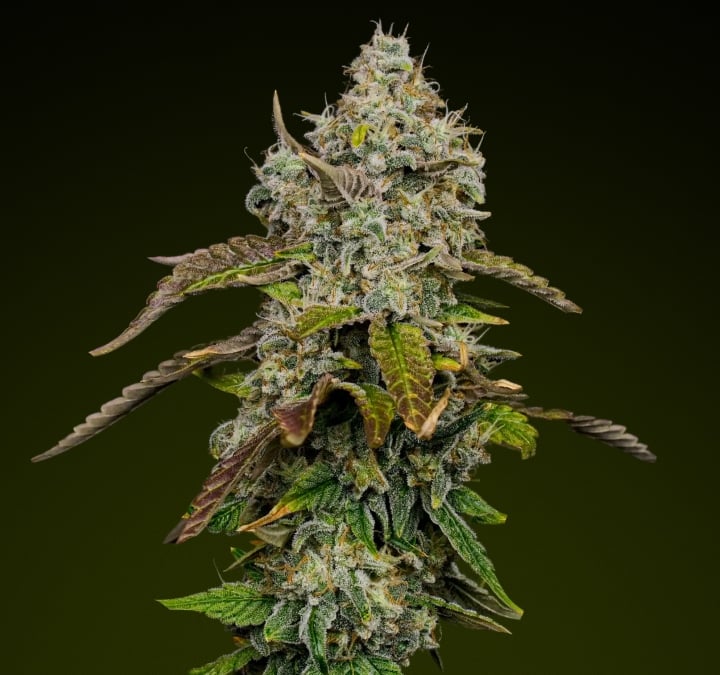
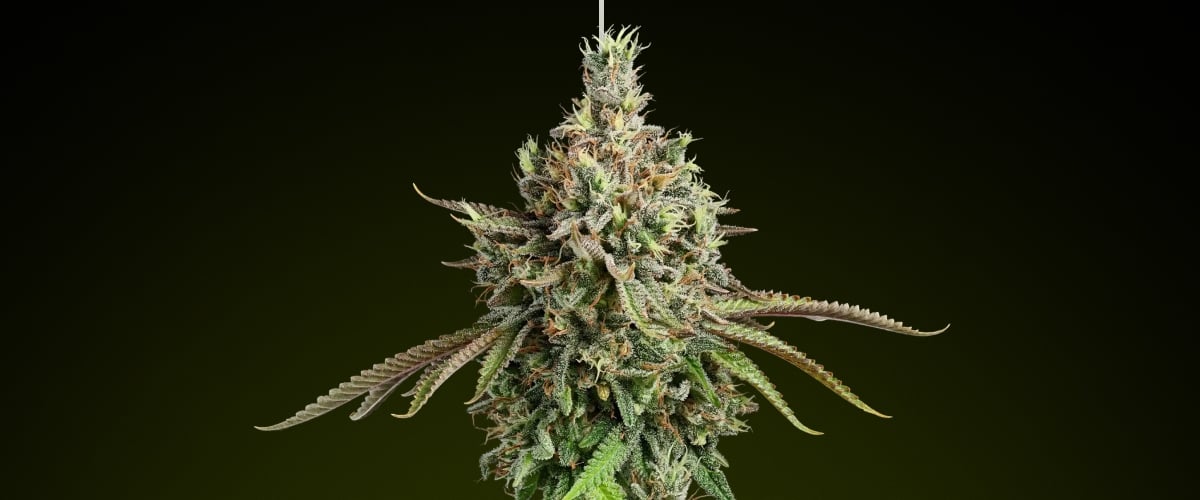
Blue Dream is a natural fit for sweet recipes thanks to its fruity, smooth, slightly sugary profile. Those softer flavours work especially well in gummies, cakes, brownies, and other desserts where harsh or overly earthy notes can feel out of place.
Its balanced effects make it a versatile choice for a wide range of adult users, though careful dosing still matters with any edible. When infused into oil or butter, Blue Dream tends to complement baked goods nicely and can also bring a pleasant flavour base to homemade gummies.


|
Blueberry x Shining Silver Haze |

|
525 - 575 gr/m2 |

|
60 - 100 cm |

|
60 - 70 days |

|
Up to 20% |

|
Sativa 60% Indica 40% |

|
600 - 650 gr/plant |

|
160 - 180 cm |

|
Late October |

|
Long Lasting , Physically Relaxing, Powerful |

|
Medium |
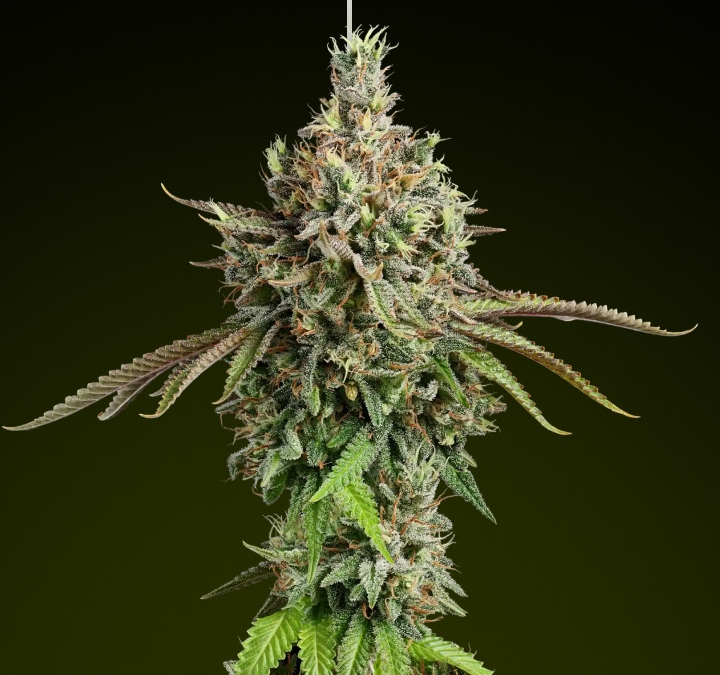
Girl Scout Cookies stands out for its sweet, earthy flavour, which fits naturally into richer edible recipes. That profile works particularly well in chocolates, cookies, brownies, and other indulgent desserts where deeper notes feel right at home.
It is also known for strong but balanced hybrid effects, making it a popular option for edibles when measured carefully. Because potency can build more intensely in food than through inhalation, controlled dosing is essential. A consistent infusion and clearly portioned servings help create a more reliable overall experience.
|
|
Forum Cookies S1 |
|
|
450 - 525 gr/m2 |
|
|
80 - 110 cm |
|
|
55 - 60 days |
|
|
Up to 23% |
|
|
Sativa 20% Indica 80% |
|
|
450 - 500 gr/plant |
|
|
140 - 180 cm |
|
|
Middle of October |
|
|
Euphoric, Physically Relaxing |
|
|
Low |
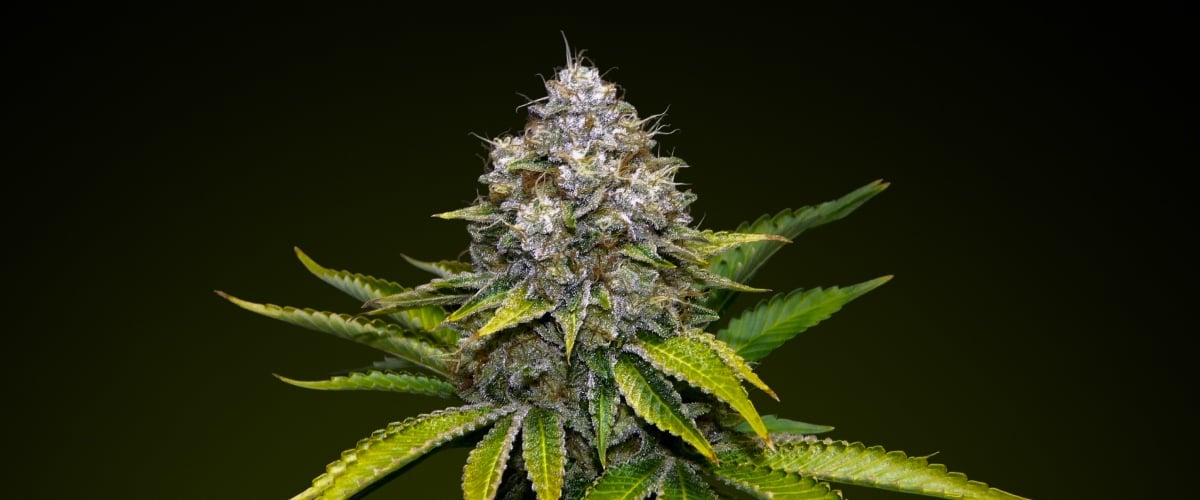
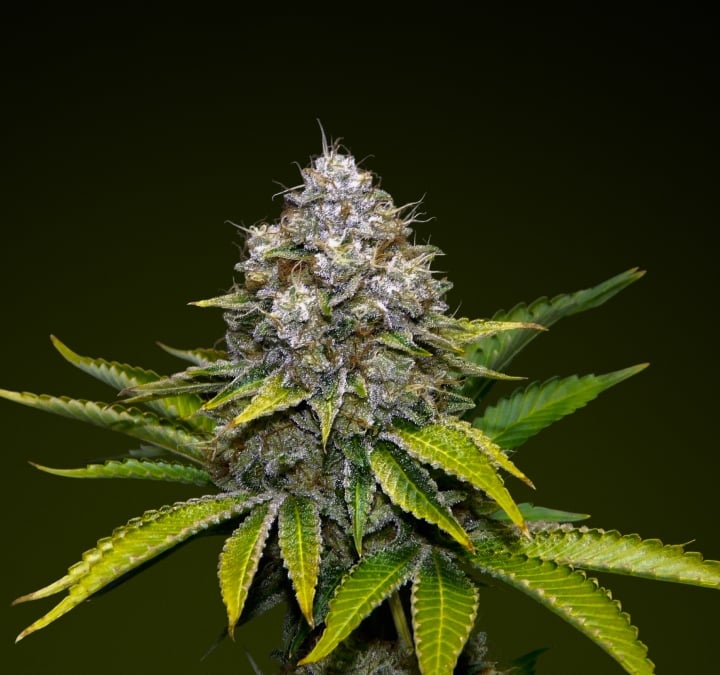
OG Kush is better suited to robust infusions than delicate recipes. Its piney, earthy, complex flavour can come through clearly in cannabutter or infused oil, making it a stronger match for recipes where those deeper notes will not clash.
This strain is also known for high potency, so careful dosing is essential from the start. Rather than guessing, calculate strength per serving and begin with a low portion size. That approach helps keep the experience more manageable, especially when working with rich butter or oil-based infusions.

|
|
Chemdawg x Lemon Thai x Pakistani Kush |
|
|
425 - 475 gr/m2 |
|
|
90 - 160 cm |
|
|
50 - 60 days |
|
|
Up to 19% |
|
|
Sativa 40% Indica 60% |
|
|
500 - 550 gr/plant |
|
|
180 - 220 cm |
|
|
October |
|
|
Calming, Uplifting |
|
|
Medium |
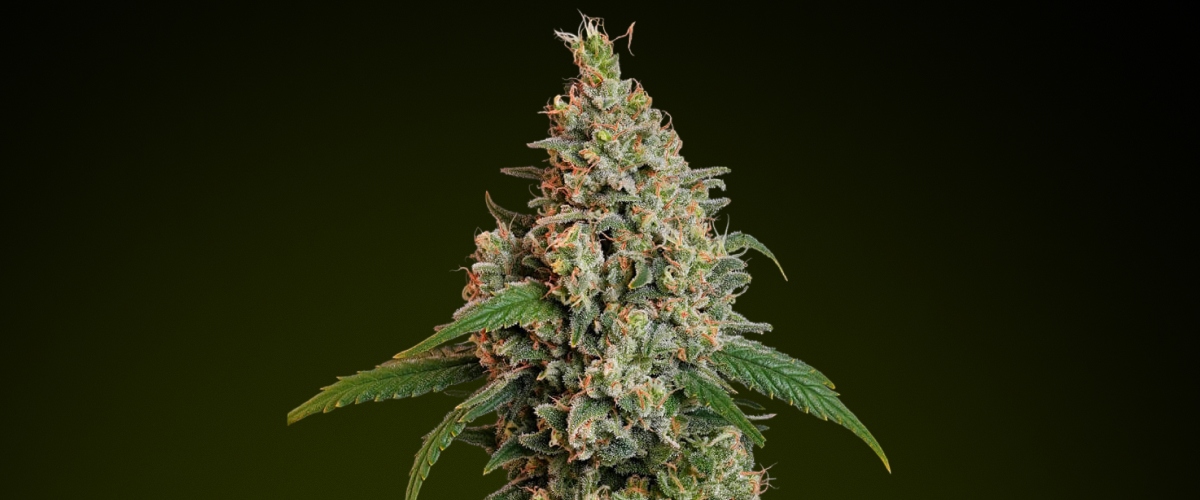
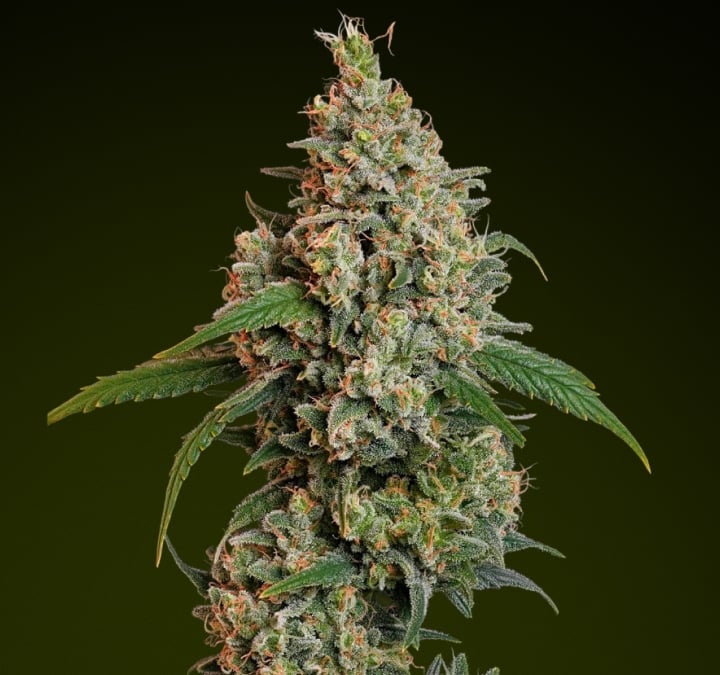
Sour Diesel brings a sharp mix of citrusy, fuel-like flavour that stands out clearly in infused ingredients. That bold profile can work surprisingly well in lighter edibles and even some savoury recipes, where bright, punchy notes feel more natural than heavy sweetness.
It is often chosen for energising effects, which makes it a practical option for daytime edibles when portions are kept sensible. Its versatility is a big advantage too, as it can suit everything from infused cooking oils to smaller snacks designed for more controlled dosing.
|
|
Original Diesel x (Northern light x Shiva x Hawaiian) |
|
|
475 - 525 gr/m2 |
|
|
90 - 160 cm |
|
|
65 -70 days |
|
|
Up to 19% |
|
|
Sativa 70% Indica 30% |
|
|
550 - 600 gr/plant |
|
|
150 - 200 cm |
|
|
Late October |
|
|
Clear, Physically Relaxing |
|
|
Low |
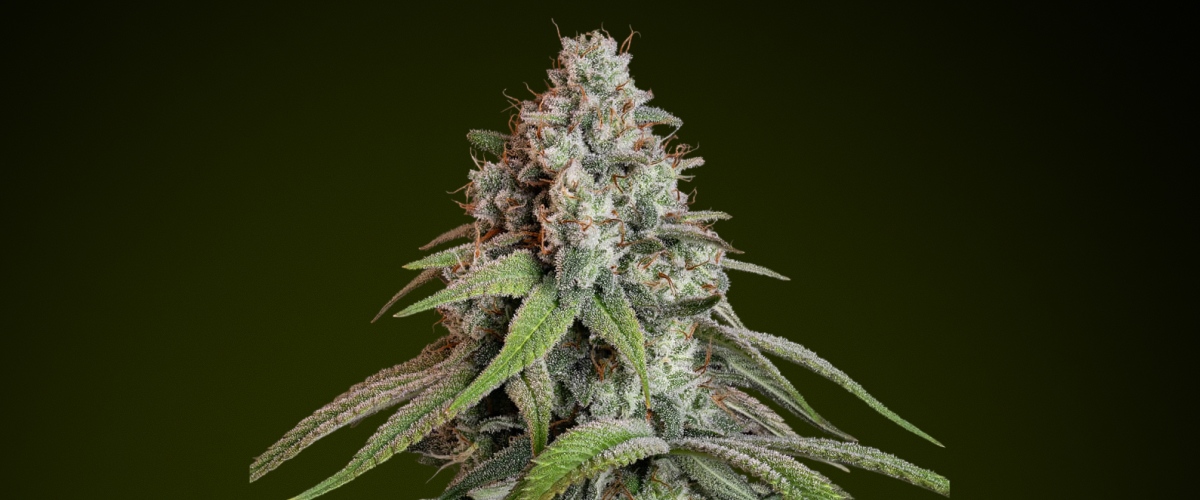
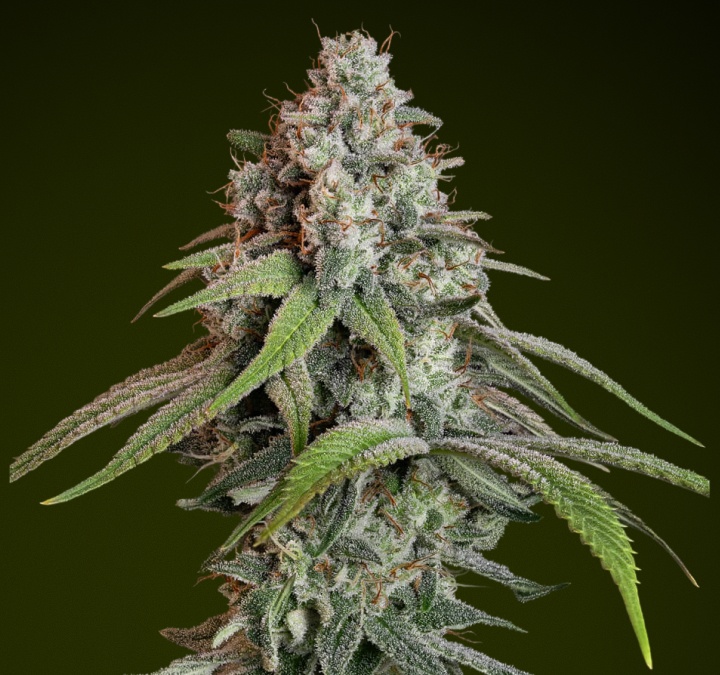
White Widow is a dependable all-rounder for edible-making. Its flavour is relatively mild compared with louder strains, which makes it easier to use across a broad mix of recipes without overpowering the final taste.
Balanced effects also make it approachable for beginners, provided dosing is still kept sensible. From brownies and cookies to infused butter and simple savoury dishes, White Widow offers reliable versatility. That consistency, paired with a straightforward flavour profile, makes it an easy strain to work with when you want predictable edible results.

|
|
White Widow S1 |
|
|
450 - 500 gr/m2 |
|
|
60 - 100 cm |
|
|
55 - 65 days |
|
|
Up to 19% |
|
|
Sativa 50% Indica 50% |
|
|
550 - 600 gr/plant |
|
|
150 - 190 cm |
|
|
Early October |
|
|
Powerful , Stoned |
|
|
Low |
Preparation starts with decarboxylation, which activates cannabinoids before infusion. A common approach is to heat broken-up flower at around 105–120 °C for roughly 30–45 minutes, keeping temperatures steady to avoid scorching the material and driving off too many delicate aromatic compounds.
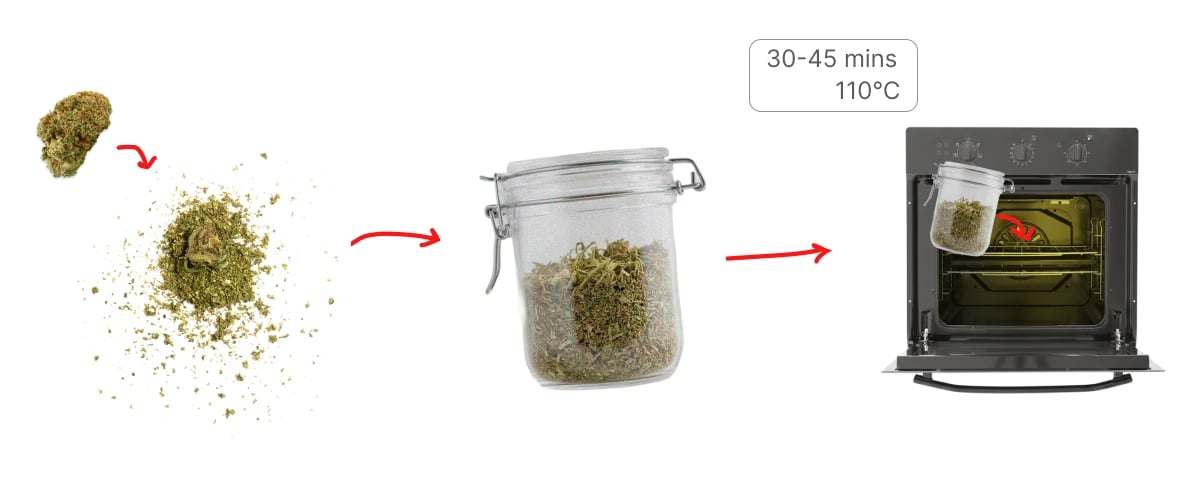
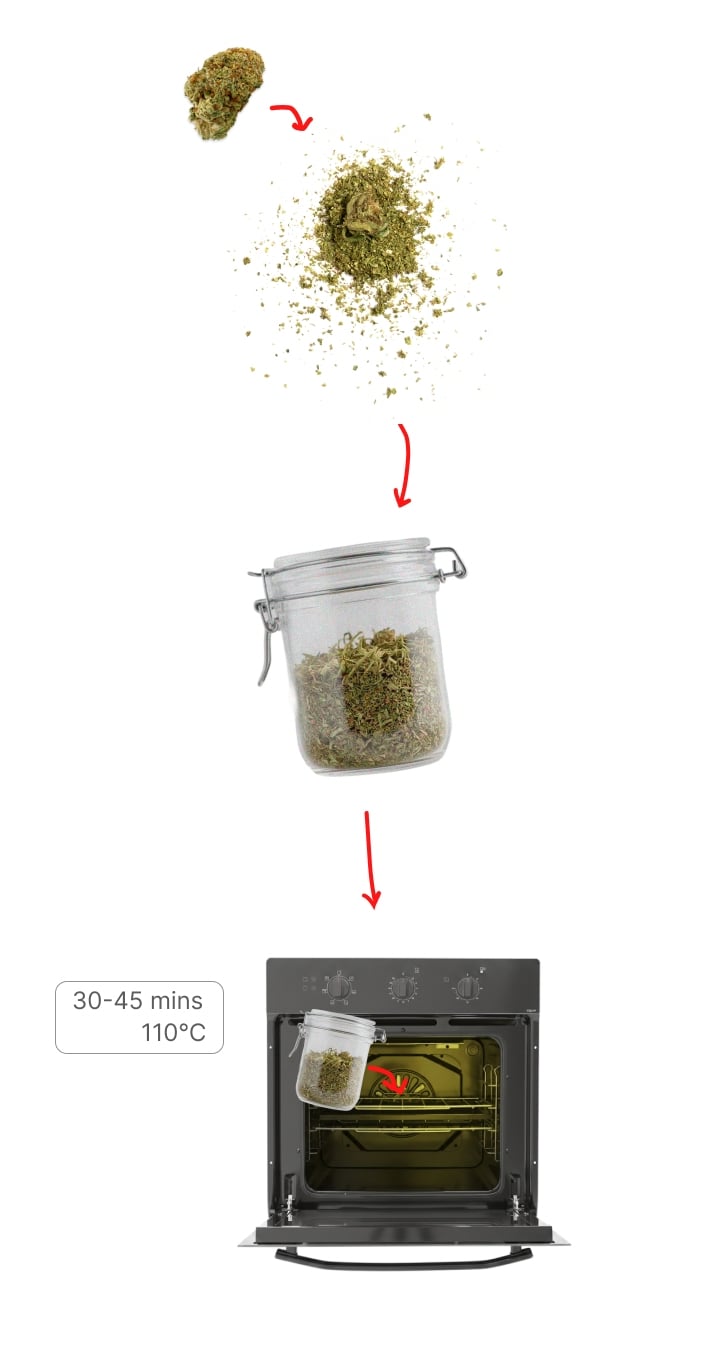
Once decarboxylated, cannabis can be infused into butter, coconut oil, olive oil, or other fats, depending on the recipe. Low, gentle heat works best, and an infusion machine can make the process simpler if you want more consistency with less hands-on monitoring.
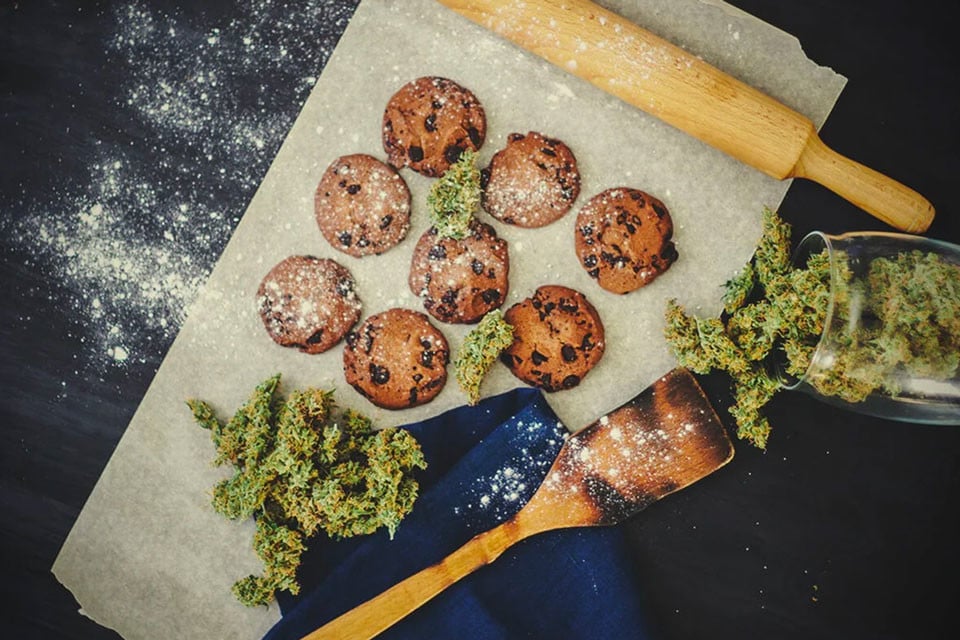
Even mixing matters just as much as the infusion itself. A good spatula helps distribute infused ingredients thoroughly through batters, sauces, or melted sweets, reducing uneven dosing. For gummies and similar recipes, moulds are useful for creating uniform portion sizes that are easier to measure and repeat.
One of the biggest mistakes is using too much heat. Overheating during decarboxylation or cooking can degrade cannabinoids and burn off terpenes, leaving you with a weaker flavour and a less predictable end result.
Dosing errors are just as common. Potency can be miscalculated easily, especially when estimating strength by eye instead of working it out per gram and per serving. Uneven infusion is another issue, as poorly mixed butter, oil, or batter can lead to portions that feel much stronger than others.
Flavour pairing also matters more than many people expect. A sharp, earthy strain may clash with delicate sweets, while fruitier profiles often suit desserts better. Precision and patience at every step usually produce the most consistent edible experience.
The right strain can shape an edible’s flavour, strength, and overall character, so it is worth matching the genetics to the recipe and the kind of experience you want. Edibles also demand more care than smoking, because effects arrive later and dosing mistakes are harder to correct once a batch is made.
A practical approach is to start simple, keep portions modest, and experiment gradually with different strains and recipes. Small process improvements, including accurate mixing and consistent portioning with the right kitchen tools, can make homemade edibles easier to repeat and refine.