Amount exceeded


4.7 out of 5 based on 59741 reviews




















4.7 out of 5 based on 59741 reviews
.

Royal Queen Seeds’ Gaia F1 trials at Vertify show that substrate choice can make or break your harvest. Comparing coco and rockwool under controlled conditions revealed how medium, nutrients and irrigation influence yield and plant stability. A science-backed roadmap to unlock Gaia F1 potential.
Key Takeaways
Contents:
Despite the work we’ve put into developing our line of F1 hybrids at RQS, we know that genetics are only half of the equation. Substrate choice, irrigation, lighting, and nutrition all strongly influence how each plant expresses its traits, ultimately shaping growth and final yields.
To help you get the best possible results, we’ve carried out rigorous cultivation trials together with Vertify to develop clear, evidence-based standard operating procedures that you can apply directly in your grow. These trials reveal which environmental factors allow our F1 hybrids to reach their full potential: water type, growing media, nutrient levels, planting density, and organic conditions.
To get the best data, we partnered with Vertify, one of Europe’s top applied horticultural research centres. Founded in 1986, Vertify now runs advanced greenhouses and trial fields at Zwaagdijk and the World Horti Center. With decades of experience and 25+ projects a year, Vertify is the ideal partner for rigorous cannabis testing.
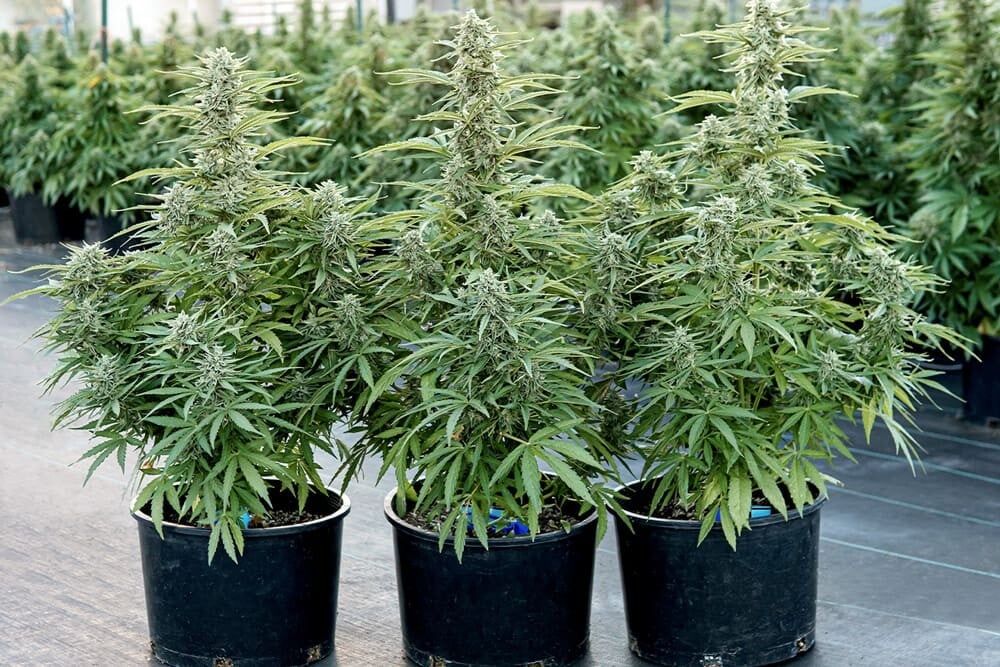
Gaia F1 is a cross between New Breed Auto and Black Domina, which stands out for its exceptional performance. This hybrid is the result of a breeding program that focuses on genetic stability, uniformity, and enhanced pest tolerance.
With high THC levels and relaxing terpenes, Gaia F1 delivers a calming effect with sweet, citrusy flavours and hints of mint.


|
New Breed Auto x Black Domina x Sin Tra bajo |

|
XXL |

|
50 - 70 cm |

|
40 - 45 days |

|
Very high |

|
Physically Relaxing, Sleepy, Stoned |

|
Low |

|
65 - 70 days after germination |
She was designed to grow compact, fast, and predictably, reaching 50–70cm in height and finishing in just 65–70 days from germination, while still producing dense, resinous buds.
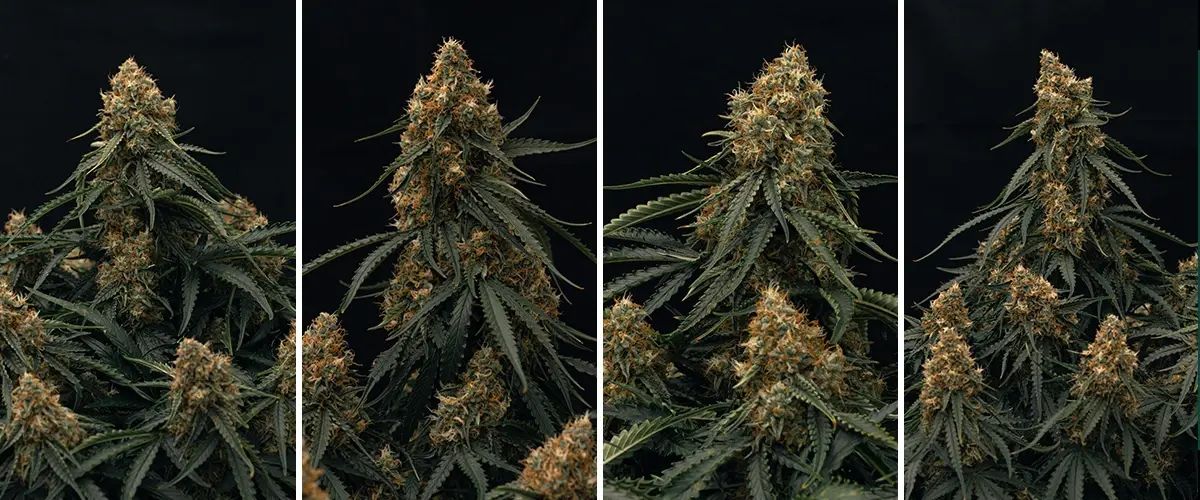
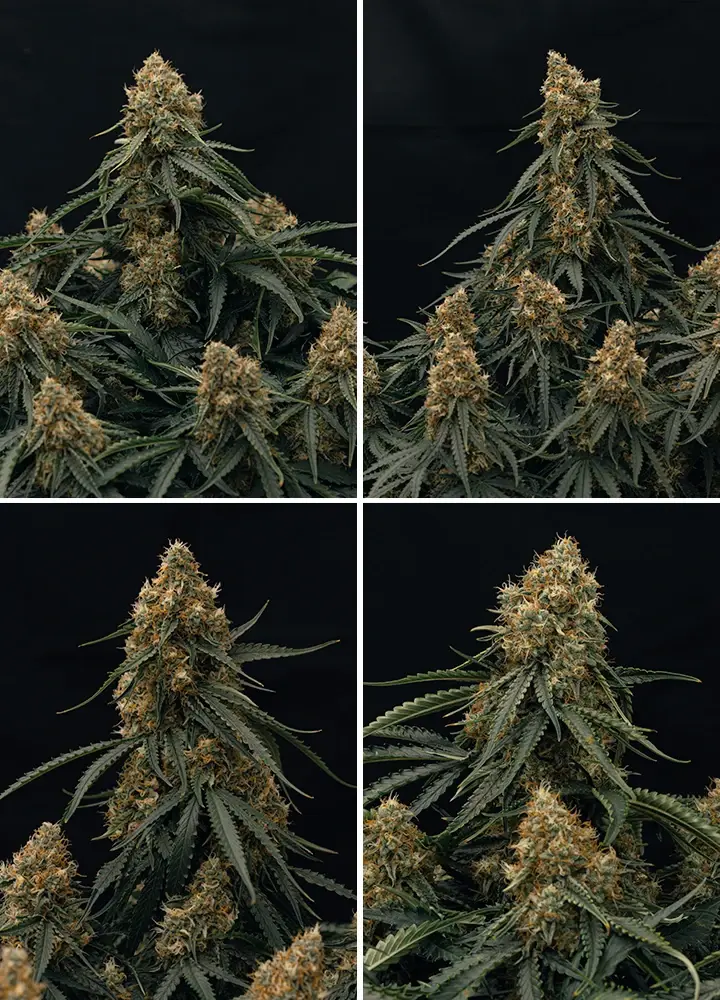
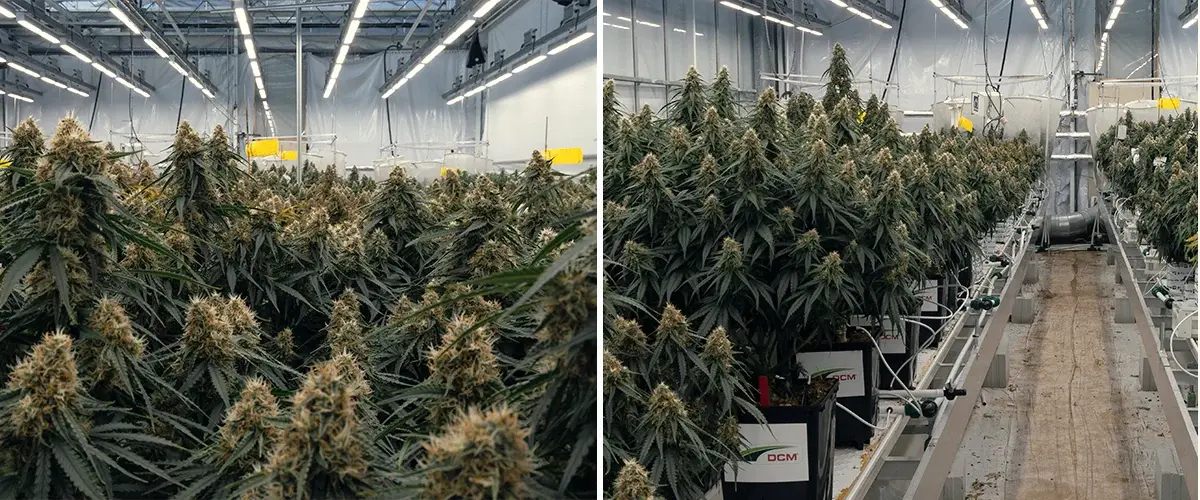
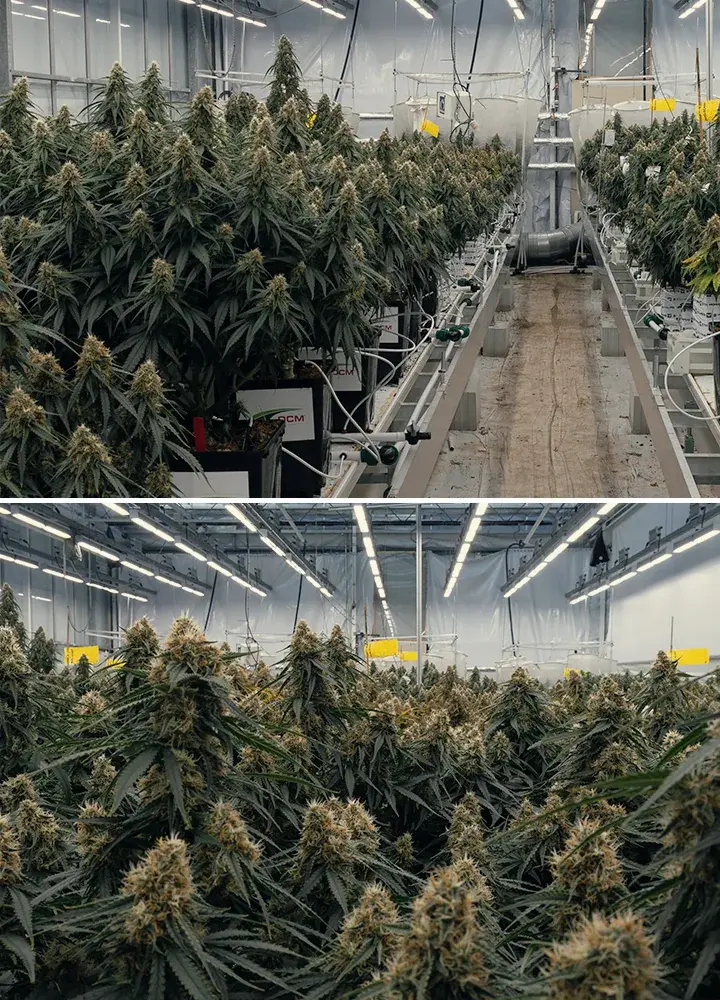
The trial took place between December 2024 and February 2025 and was designed to analyse how water quality, nutrient intensity, and application methods interact with F1 cannabis stability across 384 plants.
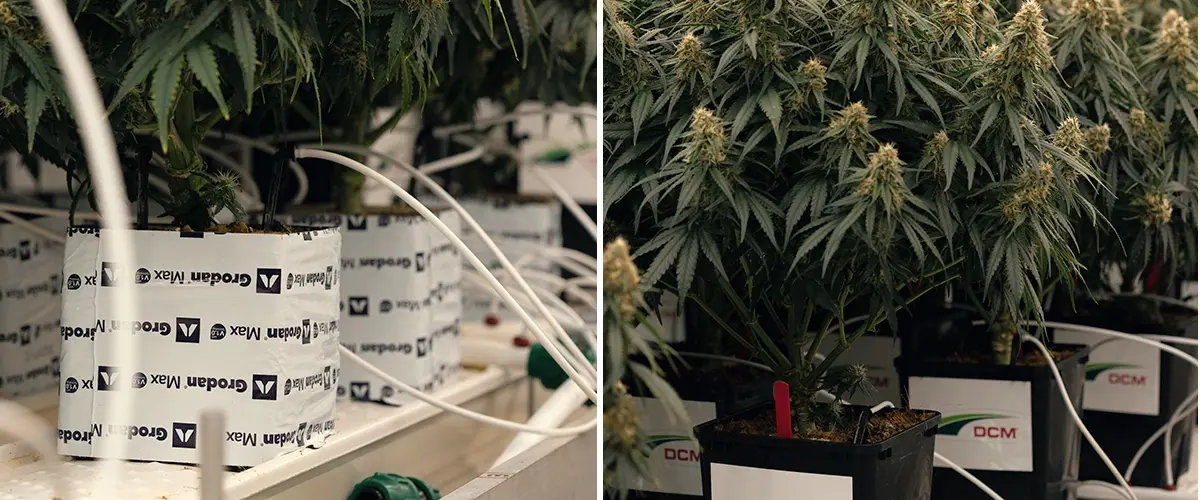
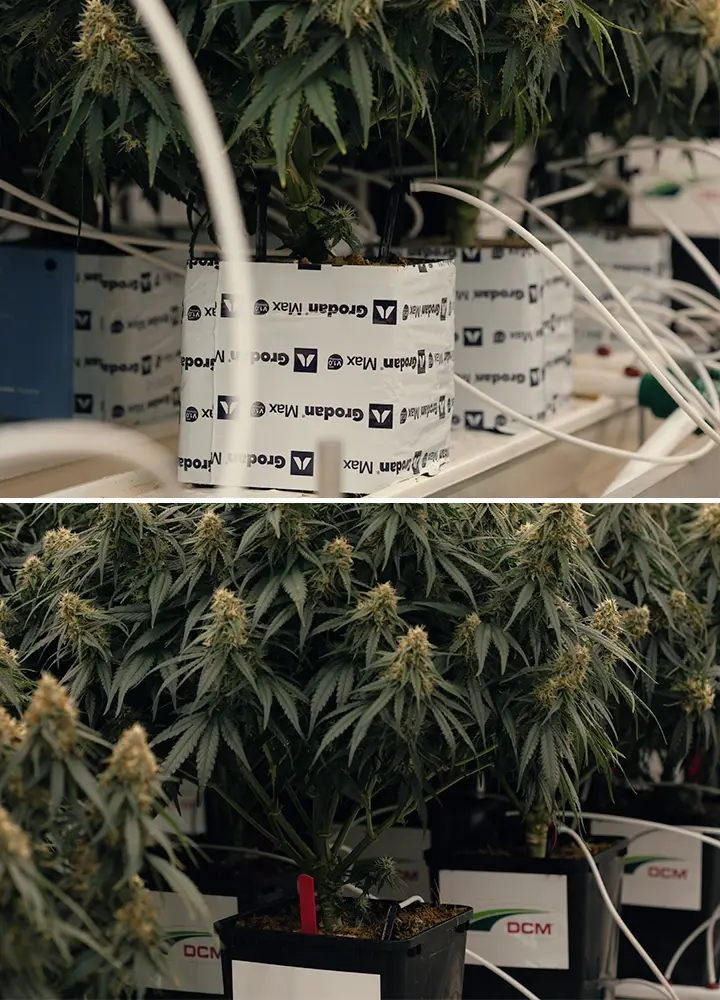
Rockwool and coco were grown under near-identical conditions of light (800 µmol/m²/s with an 18-hour photoperiod), temperature, and humidity to isolate the effects of substrate and treatments. All plants were spaced at six plants per square metre, simulating both home and intensive commercial setups.
Researchers recorded irrigation frequency and plant height on a weekly basis. At harvest, inflorescences were weighed fresh and dry, and yields were expressed in grams per plant (g/plant) and kilograms per square metre (kg/m²).
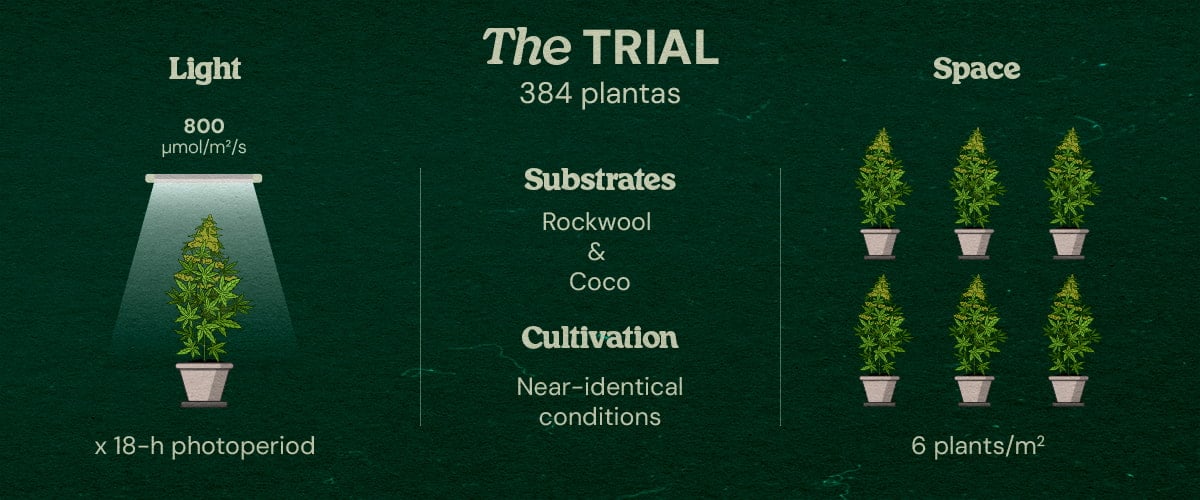
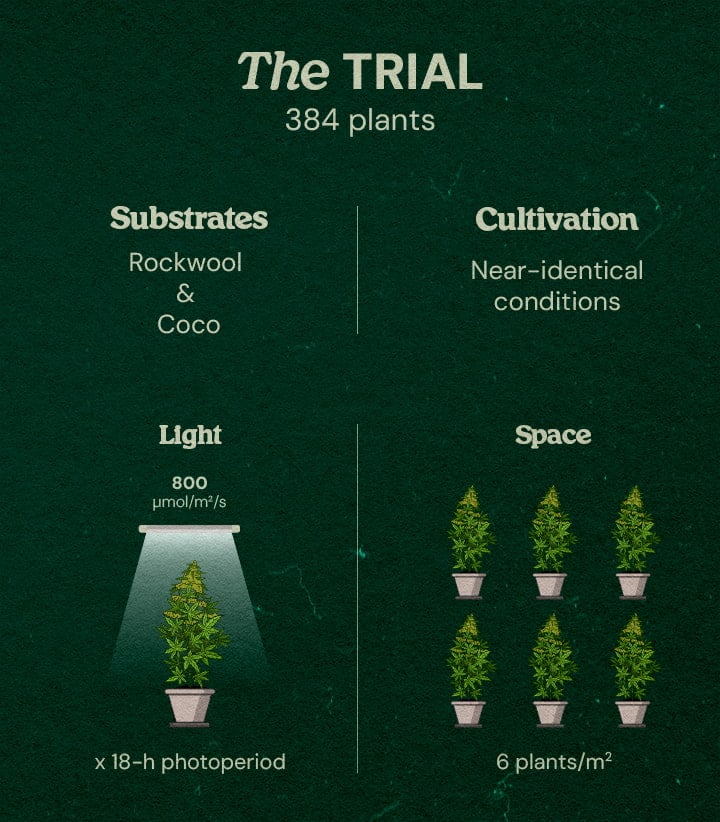
In cultivation trials, a control treatment is a group of plants managed under standard or reference conditions, serving as the benchmark to evaluate the effects of all other treatments.
In this case, the control group received a balanced NPK solution with moderate electrical conductivity (EC) and irrigation at standard intervals. By establishing this condition as the starting point, Vertify was able to assess how the other treatments influenced yield, F1 hybrid stability, and overall plant vigour.
Get the
Cultivation Report

The enhanced nutrients group in the cannabis substrate trials prompted Gaia F1 to adopt more intensive feeding. Interestingly, previous research has shown that higher nitrogen and potassium during flowering can increase biomass, but sometimes dilute cannabinoid concentrations[1]. By establishing this group, Vertify aimed to find the optimal balance between flower density and reduced potency.
Reducing total nitrogen, phosphorus, and potassium (NPK) at all stages simulated a low-input regime. Studies on both hemp and cannabis suggest that moderate nutrient stress, although counterintuitive, can trigger secondary metabolite production, potentially boosting levels of terpenes including myrcene and caryophyllene[1]. However, prolonged deficiency may also reduce both yields and potency.
In this treatment, researchers replaced mineralised irrigation water with collected rainwater, which has a very low EC. In horticulture, rainwater’s lack of dissolved salts allows precise nutrient dosing but also increases the risk of pH instability. Rainwater may reduce salt stress, but could lead to micronutrient deficiencies if not supplemented correctly. Data from this group is significant to outdoor growers of F1 hybrids, especially those who are more self-sufficient and make an effort to harvest rainwater.
Restricted irrigation frequency created a controlled drought-like environment. Previous studies have shown that water stress can modulate the levels of cannabinoids at various growth stages, including THC, CBD, and CBN[2]. This treatment tested Gaia F1’s resilience, root zone efficiency, and overall response to water stress.
Researchers designed the mineral treatment to test Gaia F1’s response to a nutrient-rich substrate with enhanced macro- and micronutrients. Researchers increased EC and supplemented additional elements to stimulate metabolic activity, aiming to evaluate the effects on various parameters.
This blend of slow-release organic nutrients mimicked living-soil or bio-amended systems. Organic regimes can influence the microbial population in the root zone, which in turn affects nutrient availability and secondary metabolite production. Testing Gaia F1 in this environment provided insight into how stable F1 cannabis seeds perform in lower-input, sustainability-oriented systems.
In rockwool conditions, Gaia F1 maintained exceptional consistency. Heights clustered tightly between 49 and 56 cm, demonstrating the variety’s stability. Yield per plant ranged from 116–133 g, with a mean area yield of about 0.80 kg/m² at 6 plants/m².
| Treatment | Yield (g/plant) | Yield (kg/m²) | Height (cm) |
| Control | 133 | 0.80 | 56 |
| Enhanced Nutrients | 129 | 0.78 | 55 |
| Reduced Nutrients | 121 | 0.75 | 53 |
| Rainwater | 116 | 0.70 | 52 |
| Low WC | 118 | 0.72 | 49 |
| Mineral | 130 | 0.79 | 55 |
| Organic | 122 | 0.75 | 53 |
| Control | |
|---|---|
| Yield (g/plant) | 133 |
| Yield (kg/m²) | 0.80 |
| Height (cm) | 56 |
| Enhanced Nutrients | |
| Yield (g/plant) | 129 |
| Yield (kg/m²) | 0.78 |
| Height (cm) | 55 |
| Reduced Nutrients | |
| Yield (g/plant) | 121 |
| Yield (kg/m²) | 0.75 |
| Height (cm) | 53 |
| Rainwater | |
| Yield (g/plant) | 116 |
| Yield (kg/m²) | 0.70 |
| Height (cm) | 52 |
| Low WC | |
| Yield (g/plant) | 118 |
| Yield (kg/m²) | 0.72 |
| Height (cm) | 49 |
| Mineral | |
| Yield (g/plant) | 130 |
| Yield (kg/m²) | 0.79 |
| Height (cm) | 55 |
| Organic | |
| Yield (g/plant) | 122 |
| Yield (kg/m²) | 0.75 |
| Height (cm) | 53 |
Research findings:
Coco cannabis growing showed Gaia F1’s capacity for higher single-plant yields but also revealed a greater spread between treatments. Plant height varied from 40 to 58 cm, and yields ranged from 57 to 136 g per plant. Average area yield reached 0.82 kg/m², slightly higher than rockwool’s but with larger swings.
| Treatment | Yield (g/plant) | Yield (kg/m²) | Height (cm) |
| Control | 128 | 0.77 | 55 |
| Enhanced Nutrients | 132 | 0.80 | 56 |
| Reduced Nutrients | 105 | 0.64 | 50 |
| Rainwater | 57 | 0.34 | 40 |
| Low WC | 89 | 0.54 | 48 |
| Mineral | 136 | 0.82 | 58 |
| Organic | 118 | 0.71 | 52 |
| Control | |
|---|---|
| Yield (g/plant) | 128 |
| Yield (kg/m²) | 0.77 |
| Height (cm) | 55 |
| Enhanced Nutrients | |
| Yield (g/plant) | 132 |
| Yield (kg/m²) | 0.80 |
| Height (cm) | 56 |
| Reduced Nutrients | |
| Yield (g/plant) | 105 |
| Yield (kg/m²) | 0.64 |
| Height (cm) | 50 |
| Rainwater | |
| Yield (g/plant) | 57 |
| Yield (kg/m²) | 0.34 |
| Height (cm) | 40 |
| Low WC | |
| Yield (g/plant) | 89 |
| Yield (kg/m²) | 0.54 |
| Height (cm) | 48 |
| Mineral | |
| Yield (g/plant) | 136 |
| Yield (kg/m²) | 0.82 |
| Height (cm) | 58 |
| Organic | |
| Yield (g/plant) | 118 |
| Yield (kg/m²) | 0.71 |
| Height (cm) | 52 |
Research findings:
These cannabis substrate comparison results highlight the trade-offs between variables. Rockwool delivered predictable results, making it a potential preferred option for consistent production and demonstrating the stability of F1 hybrid cannabis seeds. In contrast, coco cannabis growing offered slightly higher potential yields but at the cost of stability.
The overall key patterns from this trial include:
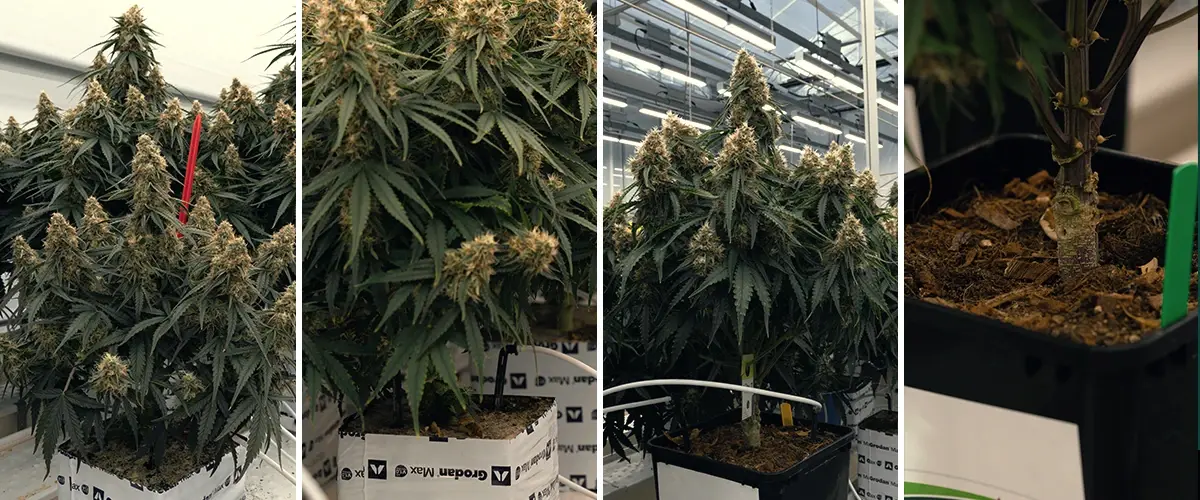
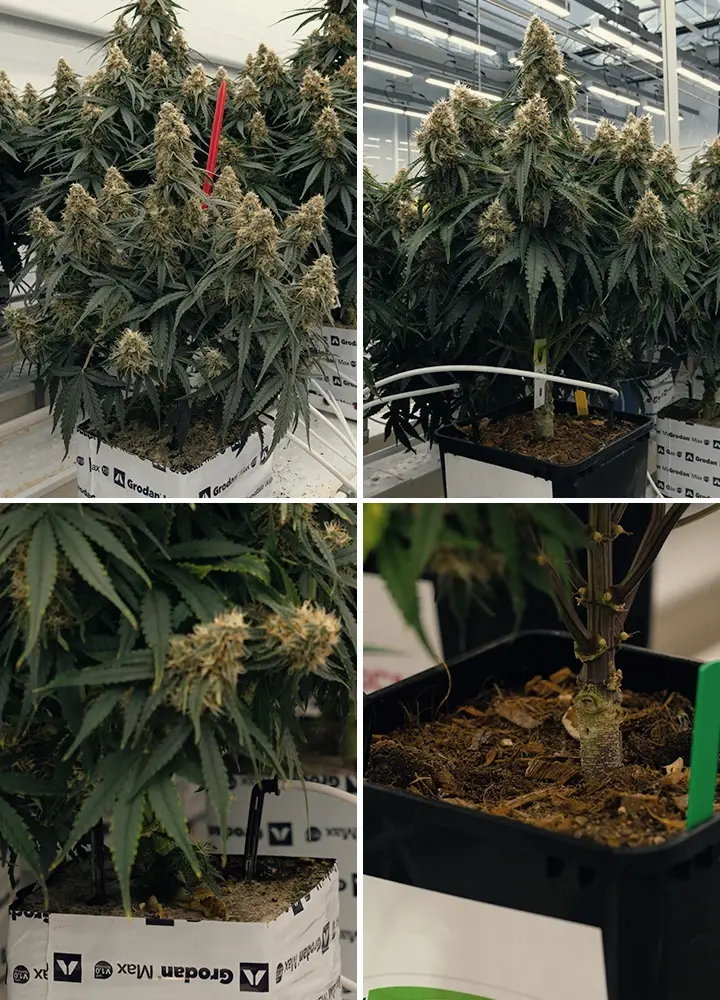
These Gaia F1 hybrid trial results provide a clear framework for selecting a substrate based on grower experience.
For growers aiming at predictable yields with minimal risk, rockwool cannabis growing remains the top choice. Its tight performance band reflects strong F1 hybrid stability, making it easy to forecast output.
For more experienced growers seeking higher peaks, cultivating in coco can deliver, but only under carefully managed conditions. Your choice of substrate for cannabis F1 hybrids should depend on your skill level, facility controls, and tolerance for variability.
Practical tips:
By aligning substrate choice with your operational goals, you can unlock the full potential of reliable F1 cannabis seeds, such as Gaia F1.