By RQS Editorial Team

Abstract

A controlled trial conducted at CRIC Labs in Montréal, Quebec (Canada) evaluated the effects of topping on F1 hybrid autoflower cannabis plants of the Medusa F1 cultivar (Royal Queen Seeds).

Plants subjected to topping produced a slightly lower average yield (255 g/plant) compared to non-topped controls (270 g/plant). However, topped plants also exhibited a moderate increase in cannabinoid concentration and a 2% higher proportion of sugar leaves on harvested inflorescences.

Growth parameters, plant architecture, yield, and harvest quality were assessed across both treatments. While topping altered canopy structure and cannabinoid levels, no statistically significant differences were observed in final yield.

These results indicate that topping in F1 autoflower plants does not substantially compromise production under optimal conditions. Its application should therefore be guided primarily by grower objectives related to canopy management, space constraints, and harvest characteristics.
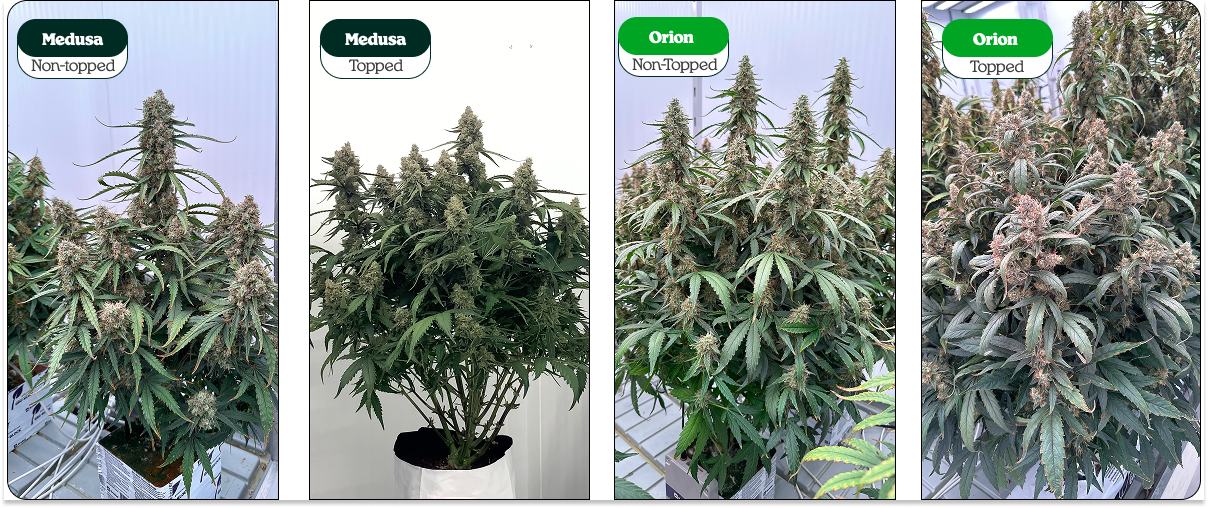
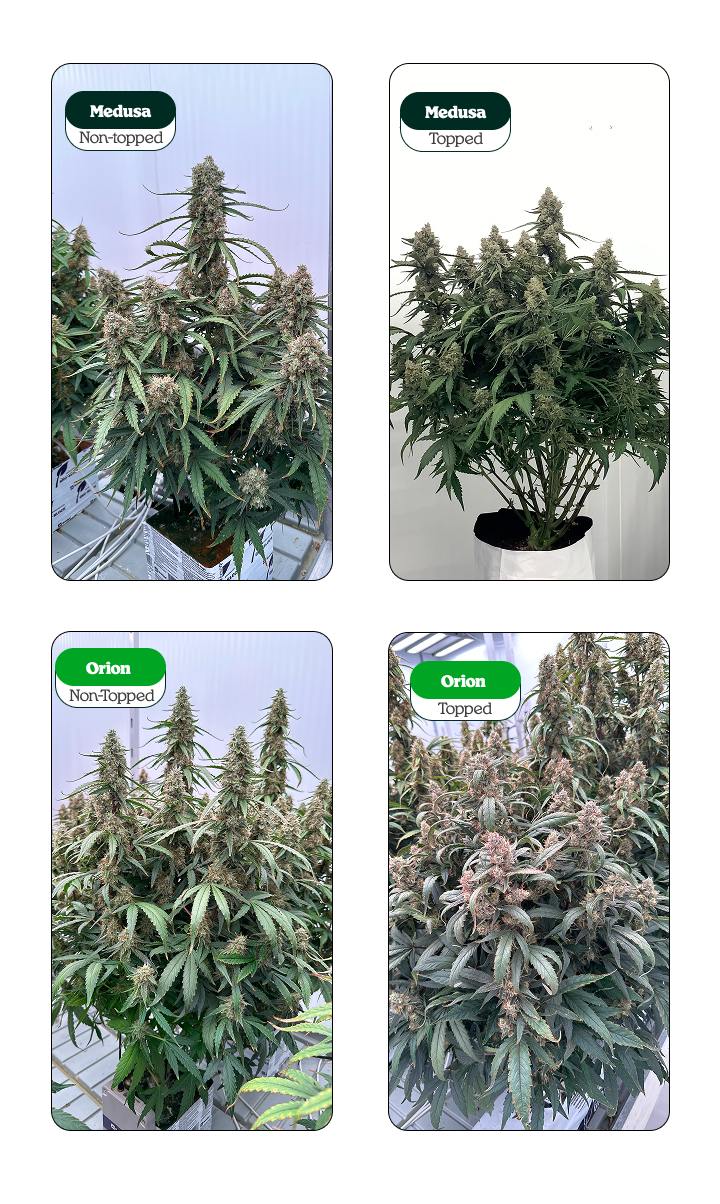
Topped vs non-topped cannabis plants comparison showing Medusa and Orion: single main cola vs multiple colas

Introduction

Topping is a high-stress training (HST) technique commonly applied to photoperiod Cannabis sativa plants to modify plant architecture, optimise light distribution, and increase both flower size and number. Its use in autoflower varieties, which are characterised by rapid seed-to-harvest cycles and a short vegetative phase before automatic flowering, remains a topic of debate.

Autoflower varieties have gained popularity due to their fast development, independence from photoperiod, and ease of cultivation. These traits primarily result from the introgression of Cannabis ruderalis genetics, which induce flowering after a brief vegetative period of approximately 2–4 weeks.

F1 hybrid autoflower varieties represent a significant genetic advancement, combining phenotypic uniformity, hybrid vigour, stress resistance, and high yield potential. Medusa F1 is representative of this category, with reported yields reaching up to 1.8 kg/m² under optimal conditions.

Given the limited vegetative window in autoflower plants, the use of HST techniques raises important questions. Specifically, do the architectural benefits of topping outweigh the stress-related costs incurred by the plant? This study aims to address that question under controlled cultivation conditions.
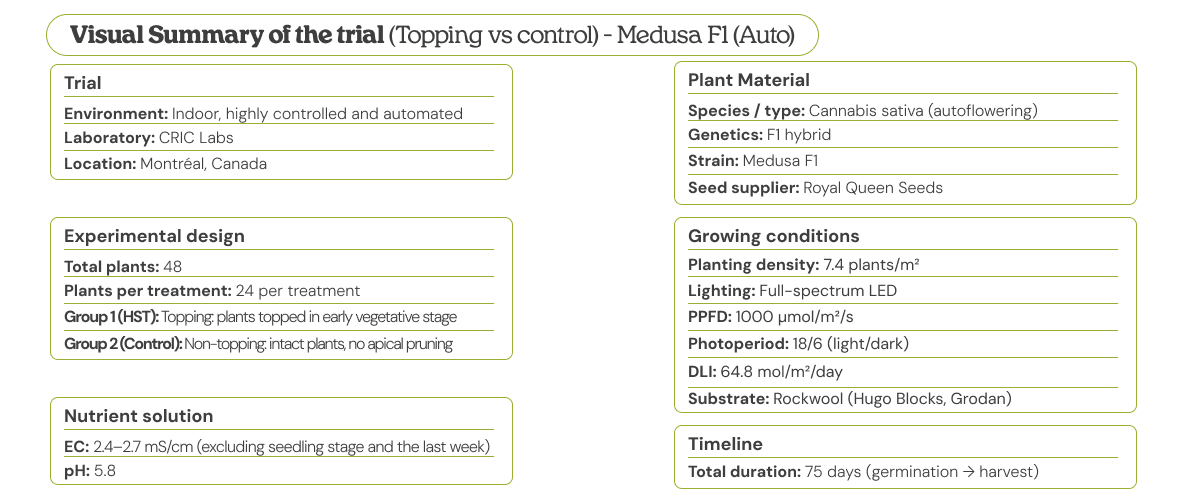
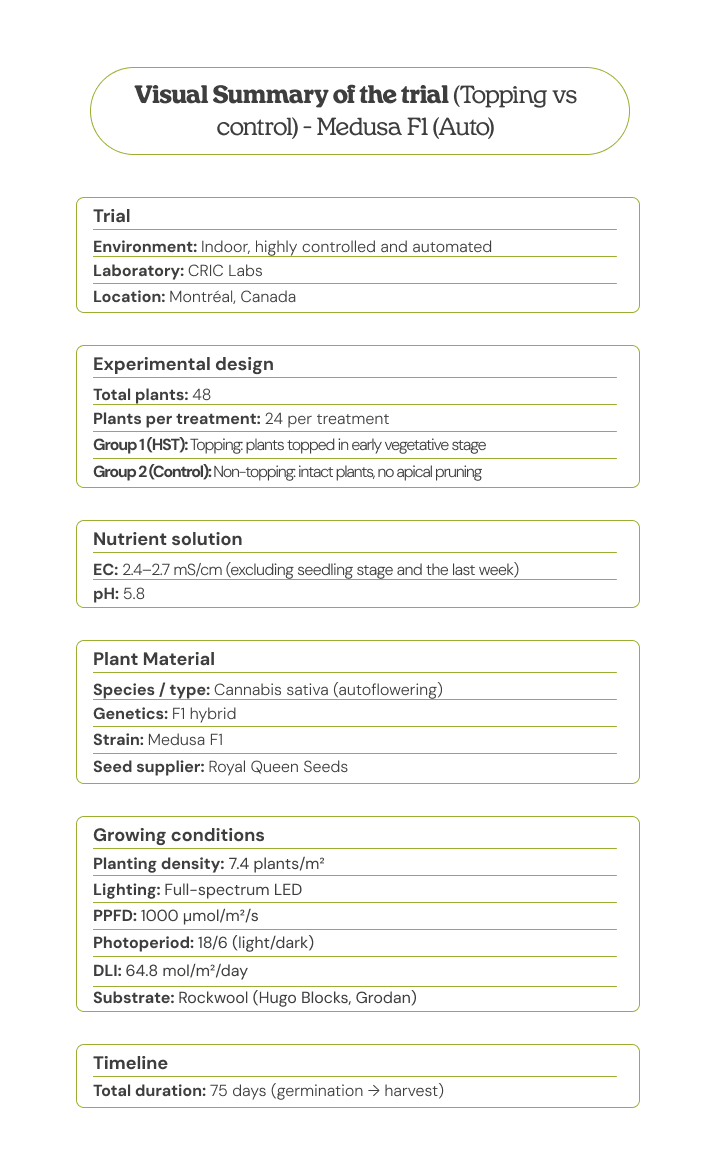
Visual summary of the Medusa F1 (Auto) trial comparing topping vs control, showing experimental design, plant material, growing conditions, nutrient solution, and timeline

Physiological Basis of Topping

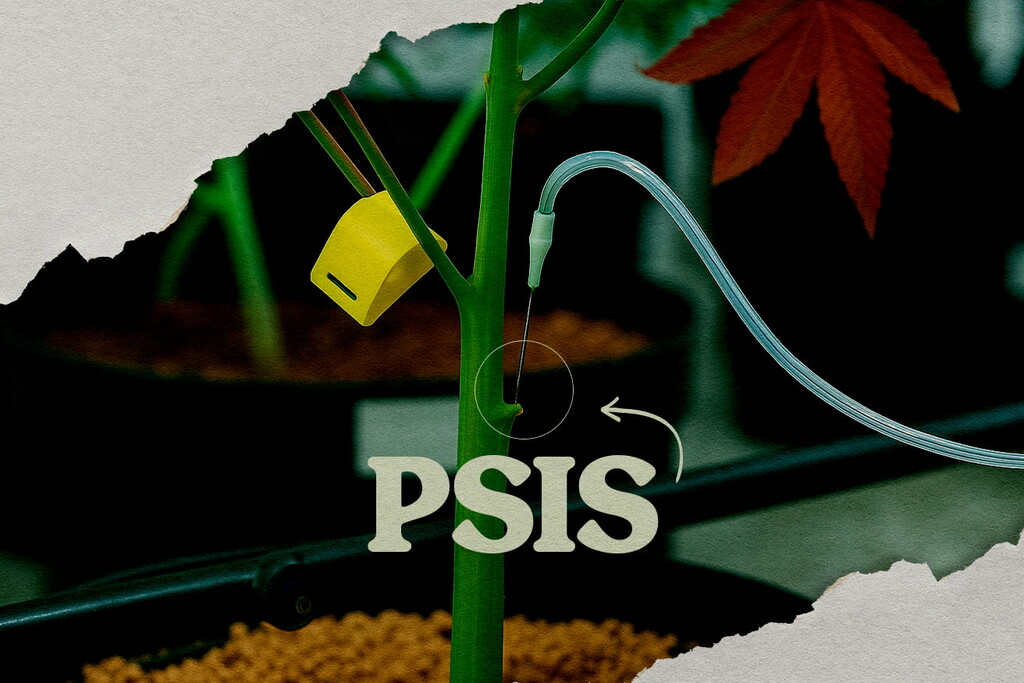
Topping involves the removal of the main stem during the early vegetative stage to interrupt apical dominance and promote lateral branch development.

From a physiological perspective, apical dominance is regulated primarily by auxins, plant hormones produced in apical meristems that suppress lateral growth. Removal of the apical tip reduces localised auxin concentration and shifts hormonal balance towards lateral meristems, encouraging a more compact growth habit and a more uniform canopy with improved light interception.

Topping necessitates the reallocation of plant resources toward wound healing and growth reorganisation. In autoflower cannabis, the limited vegetative phase may constrain recovery time, thereby reducing yield. For this reason, the use of nutritional supplements, such as amino acids, may support cellular regeneration and mitigate stress effects.
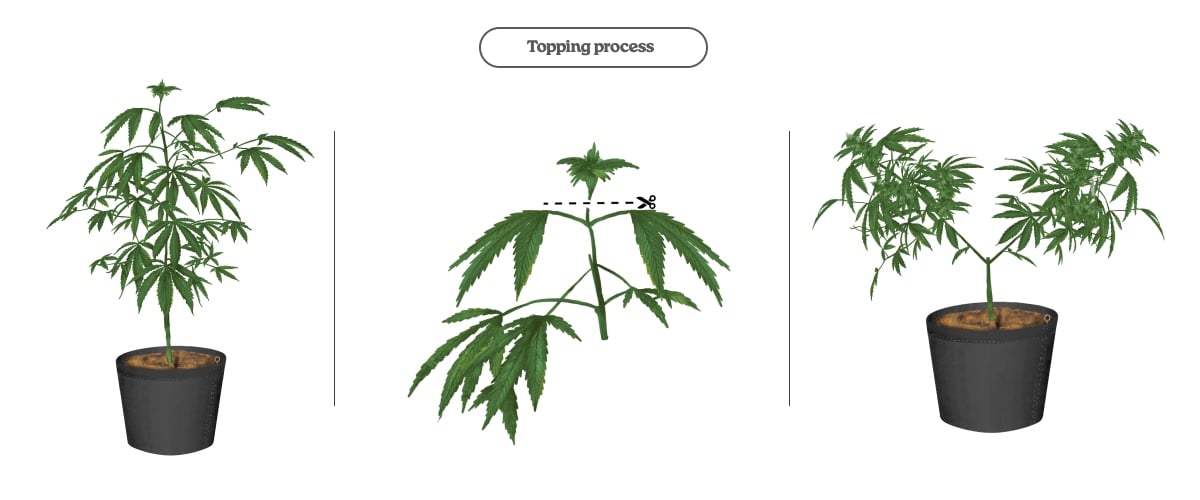
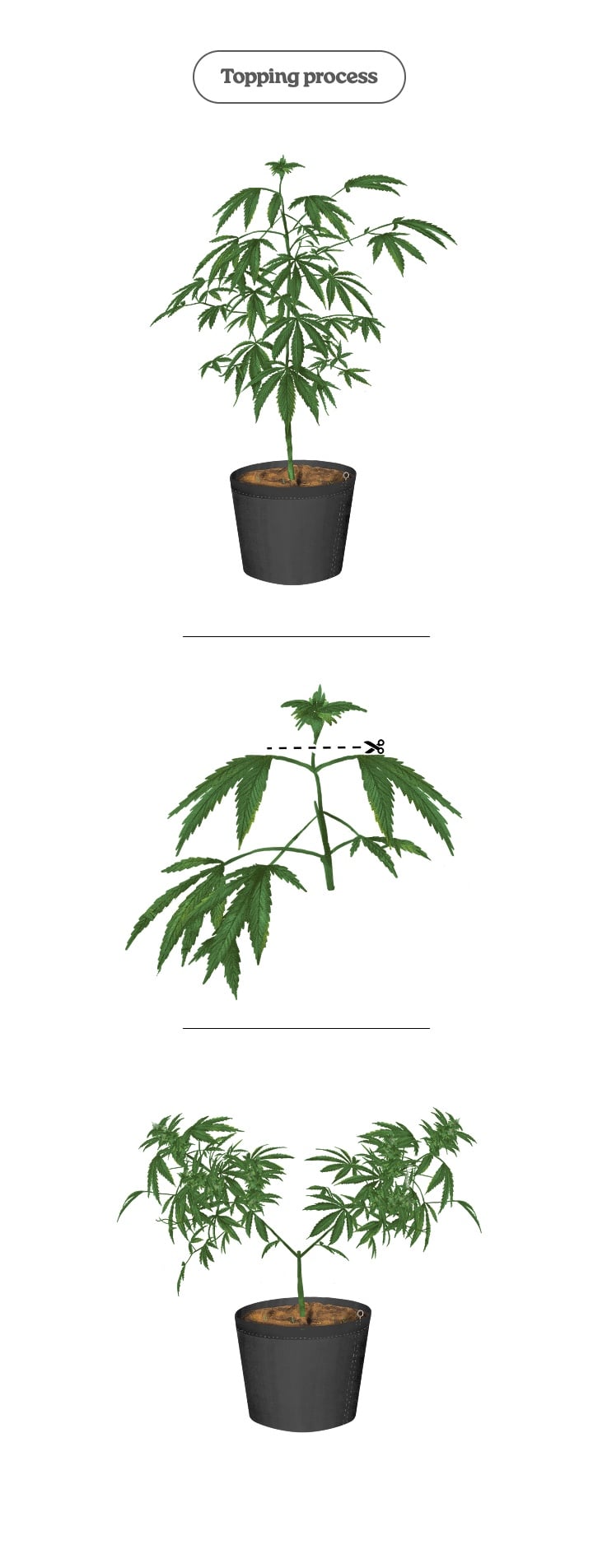
Diagram of the cannabis topping process: cutting the main tip to promote two main shoots and more colas

Materials and Methods

Experimental Design

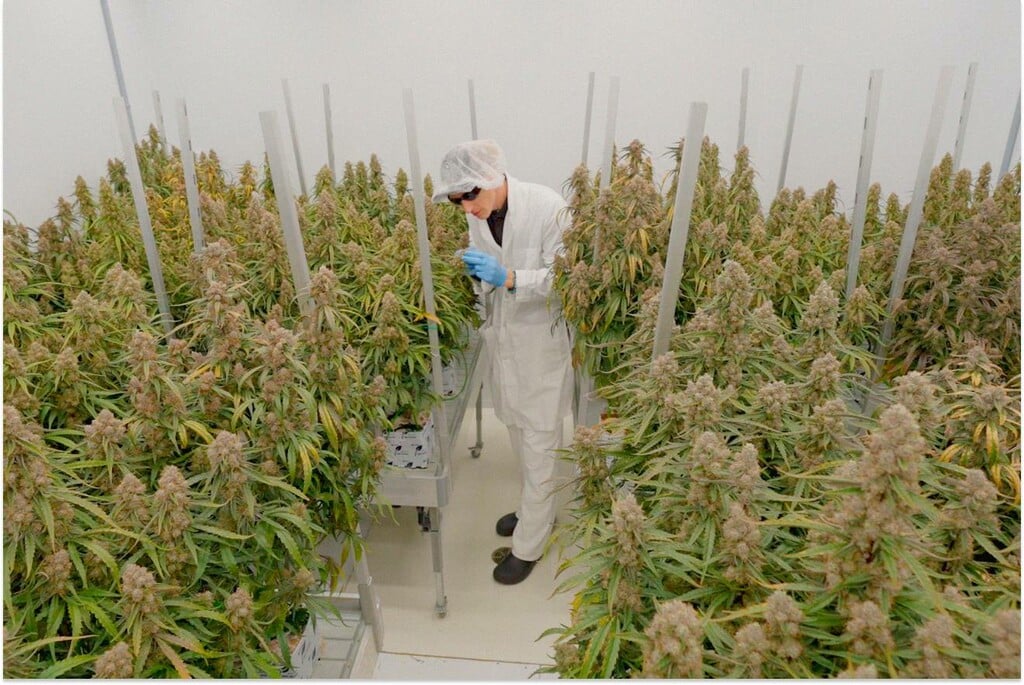
The trial was conducted in a highly controlled, automated indoor environment at CRIC Labs in Montréal, Canada. F1 hybrid autoflower Cannabis sativa plants of the Medusa F1 cultivar (Royal Queen Seeds) were used.

Plants were divided into two experimental groups:

Topping (HST): plants topped during the early vegetative stage

Control (Non-Topping): plants left intact without apical pruning

Cultivation Conditions

  • Total plants: 48 (24 per treatment)
  • Planting density: 5.4 plants/m²
  • Lighting: Full-spectrum LED
  • PPFD: 1000 µmol/m²/s
  • Photoperiod: 18/6 (light/dark)
  • DLI: 64.8 mol/m²/day
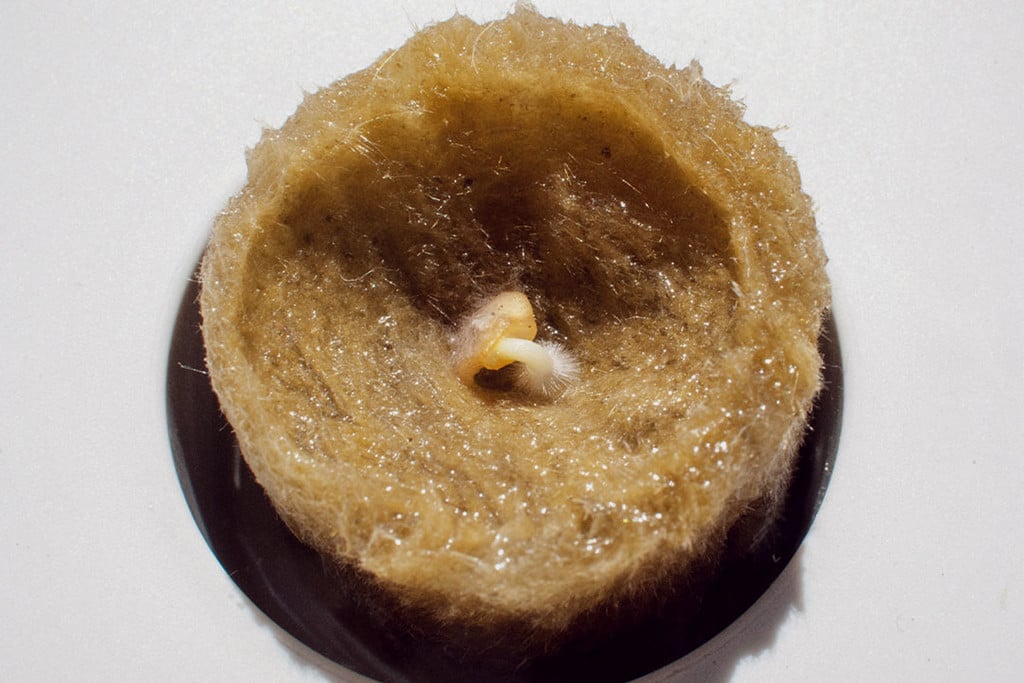
  • Substrate: Rockwool (Hugo Blocks, Grodan)
  • Nutrient solution EC: 2.4–2.7 mS/cm (excluding seedling stage and final week)
  • pH: 5.8
  • Total growth duration: 75 days from germination to harvest

Evaluated Parameters

  • Final plant height (cm)
  • Yield per plant (g/plant)
  • Cannabinoid content (% THC)
  • Main cola length (cm)
  • Proportion of sugar leaves (%)

This experimental design ensured uniformity across key variables, including plant density, light intensity, irrigation, and nutrition. Differences observed between treatments can therefore be attributed primarily to the application of topping.
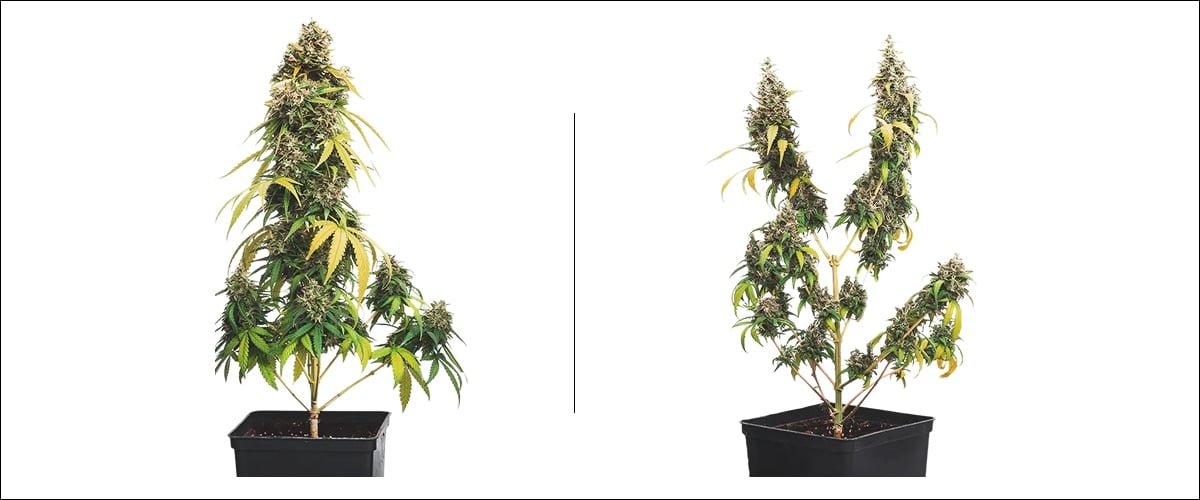
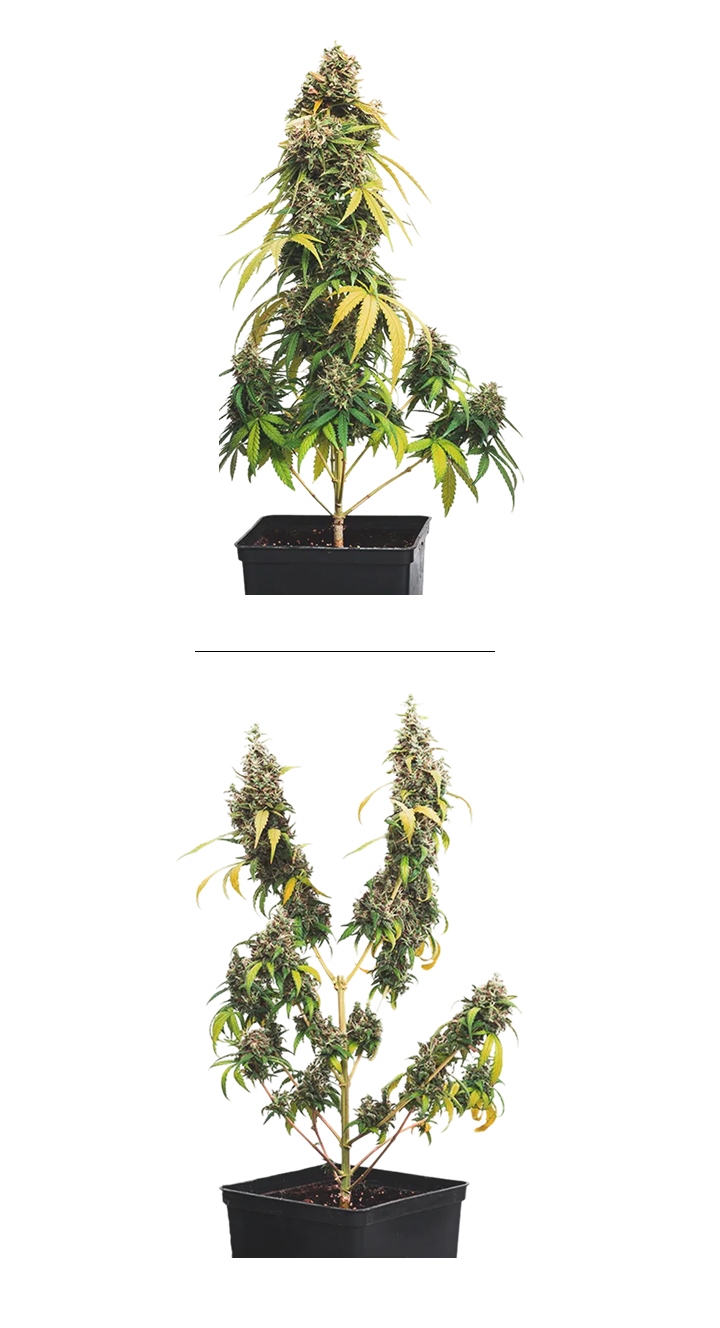
Side-by-side example of cannabis topping: untopped plant with one main cola compared to a topped plant with multiple colas

Results and Data Analysis

  • Growth and Plant Structure

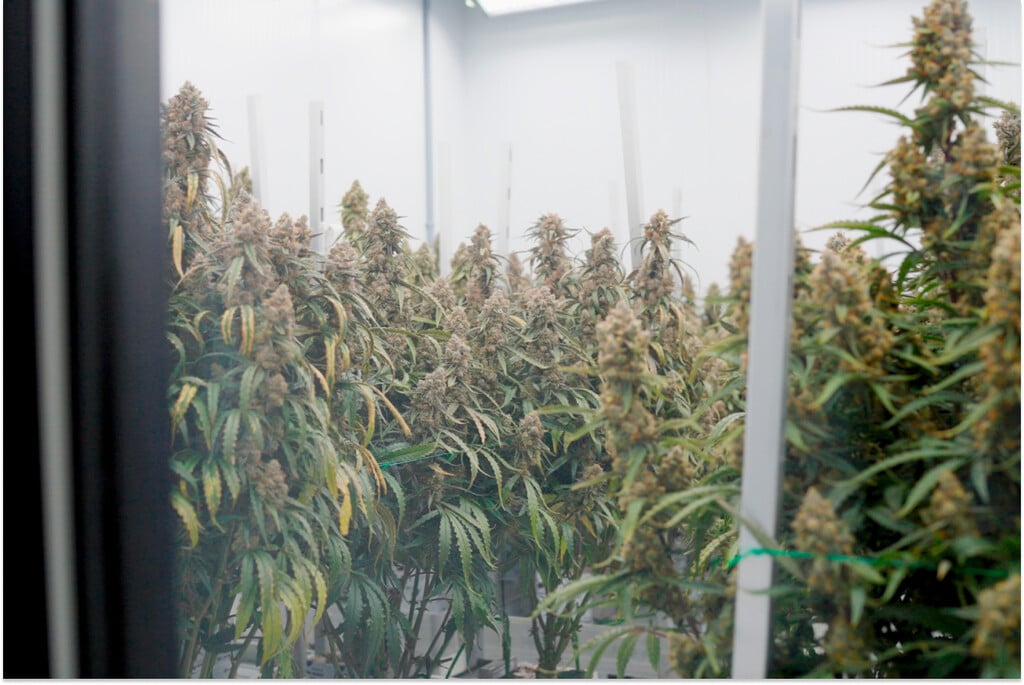
Topped plants exhibited an average height reduction of approximately 10 cm compared to control plants (74 cm vs. 84 cm), resulting in a more compact and uniform canopy.

Main cola length was slightly reduced in topped plants (19 cm vs. 21 cm), suggesting a redistribution of growth towards lateral branches and secondary inflorescences.

  • Yield and Harvest Quality

Yield: Topped plants produced a slightly lower average yield (255 g/plant) than non-topped controls (270 g/plant). While topping can improve light distribution, the recovery period required following apical removal may temporarily limit biomass accumulation.

Cannabinoid content: Topped plants displayed a modest increase in cannabinoid concentration, potentially linked to stress-induced metabolic responses and improved light penetration.

Sugar leaves: The proportion of sugar leaves was approximately 2% higher in topped plants, which may increase trimming time and influence final bud appearance.

Results Analysis

Statistical analysis revealed no significant differences between treatments for total yield or overall harvest quality. Under optimal environmental conditions, topping does not appear to severely compromise productivity in F1 hybrid autoflower plants.

The primary advantage of topping lies in improved canopy architecture and height control, which can be beneficial in limited-space cultivation environments or where uniform light distribution is critical.

However, the slight reduction in yield and increased labour requirements may limit its practicality in large-scale operations. Additionally, responses may differ among varieties, and results observed in Medusa F1 should not be generalised across all autoflower genetics without further study.


Medusa F1
23_genetic background_1 Sugar Magnolia x American Beauty
25_flowering time_1 40 - 45 days
29_THC_1 THC: Very high
22_Effect_1 Balanced, Creative, Physically Relaxing, Sleepy
110_harvest 70 - 75 days after germination

Buy Medusa F1

Conclusion

This trial demonstrates that topping in F1 autoflower cannabis plants, specifically the Medusa F1 cultivar, is agronomically viable when applied early under controlled conditions. While topping does not increase yield, it can enhance canopy management and slightly elevate cannabinoid concentration.

The technique requires additional labour and may delay maturation by up to one week, factors that should be considered in production planning. Ultimately, the decision to apply topping should balance structural control, yield stability, operational complexity, and final product quality.

Further research across additional autoflower cultivars and cultivation environments is recommended to validate and expand upon these findings.

Practical Application for Home Growers

Topping F1 autoflower plants, such as Medusa F1, can be explored in home cultivation setups. In this trial, yield reduction was minimal (255 g/plant vs. 270 g/plant), while a modest increase in cannabinoid concentration was observed, potentially enhancing harvest quality.

This technique is particularly useful in confined spaces, where plant height control, light penetration, and canopy ventilation are priorities.

To achieve comparable results, growers should aim to maintain stable conditions similar to those used in the trial:

PPFD: 1000 µmol/m²/s

Photoperiod: 18/6

Nutrient solution: EC 2.4–2.7 mS/cm, pH 5.8

Substrate: Rockwool

Temperature and humidity: stable and within optimal ranges for vegetative growth and flowering

Cookies settings

We are requesting your permission to use your data for the reasons stated below:
Functional cookies

Functional cookies help our website to function optimally and allow us to personalise certain features.

Preference cookies

Preference cookies allow us to remember information that influences the way our website looks, including your preferred language based on your region.
Analytical cookies

Analytical cookies give us insights into website traffic and customer behaviour, including how many people visit our site, how long they browse for, and which parts of our site they visit.

What are cookies?

Cookies are small pieces of data from a particular website that get stored on a user’s computer while they’re surfing the internet. Cookies have several different functions. Some of them track browser activity that enables businesses to deliver targeted advertisements. Other cookies serve to remember user login details to different websites to make jumping on social media, or other sites, a more fluid process. Because each cookie has its own unique ID, these pieces of data allow website owners to measure the unique traffic coming into their site.

Why do we use cookies?

Cookies come in handy when you visit our website. They ensure you stay logged in, that you can shop safely, and that the items you add to your cart stay there before you make a purchase. But cookies also help us. The data they provide allow us to improve our website and enable us to present you with targeted advertisements that are compatible with your interests.

What kind of cookies do we use?

Functional cookies

Functional cookies help our website to function optimally and allow us to personalise certain features.

Preference cookies

Preference cookies allow us to remember information that influences the way our website looks, including your preferred language based on your region.

Analytical cookies

Analytical cookies give us insights into website traffic and customer behaviour, including how many people visit our site, how long they browse for, and which parts of our site they visit.

How can I disable or delete cookies?

Not a fan of cookies? No worries. You can disable them (with the exception of necessary cookies) in your browser settings. However, blocking cookies may impact your browsing experience and prevent you from enjoying all of the technical features of our site.

Privacy Policy - Royal Queen Seeds

To ensure a safe online environment and guarantee adequate data protection, we strictly comply with all legal requirements. In this privacy statement, we provide information about how and for what purpose data is collected, safety measures, storage periods and contact details.


COMPANY NAME: SNORKEL SPAIN, SL (hereinafter ROYAL QUEEN SEEDS)

C/ Vilar d'Abdelà, 5 (nave 1) CP: 08170 de Montornès del Vallès

+34 937 379 846

[email protected]


The present Privacy Policy sets out the terms on which we will treat personal data at ROYAL QUEEN SEEDS; this includes any personal data collected through our website https://www.royalqueenseeds.com/ as well as any other data we process in the course of our business activities.

ROYAL QUEEN SEEDS collects the following personal data for the purposes listed below:

SECTION 1 – PERSONAL INFORMATION WE COLLECT

1.1 Account purchases

Account purchases can only be made if you are in possession of a personal account. When you create an account or purchase something from our shop, as part of the buying and selling process we collect the following personal information that you provide to us:

This information is required for delivery. In addition, when you browse our shop, we automatically receive the Internet Protocol (IP) address of your computer. Based on this information, we can optimise your online experience and at the same time protect our online environment.

Purpose of data collection

We collect and store account-related data for the following purposes:

(a) to carry out obligations arising from any contracts between you and us, and to provide you with information, products and services that you may request from us;

(b) to set up, manage and communicate with you about your account and your orders;

(c) to conduct market research and analysis;

(d) to confirm your age and identity, and to detect and prevent fraud.

1.2 Newsletters

With your explicit permission, we may send you newsletters about our shop, new products and other updates. We send newsletters based on your explicit consent. In the event that you purchase a product, and in accordance with current regulations, we may send you commercial communications in accordance with the legitimate interest of our company, always about products or services similar to those you have purchased or contracted. In any case, you may exercise your right of opposition through the channels announced in this Privacy Policy. The following information is collected in relation to the newsletter:

We do not need to know the sex of the person in order to send the newsletter (data minimisation: by law we must ask for data that is strictly necessary to provide the service, and in this case knowing the sex is not necessary to send the newsletter).

Purpose of data collection

The data collected is used to:

(a) personalise our emails, including your name and gender;

(b) provide gender-specific content.

You can withdraw your consent at any time by using the link provided in the newsletter or the contact information provided in section 2.

1.3 Customer service and contact form

In order to provide appropriate support, our customer service employees have access to information related to the account. Consequently, their support will be highly effective and friendly. The data provided in our contact form is used by our CRM provider, SuperOffice. We will only use your details to respond to your message.

SECTION 2 – LEGITIMATE INTEREST

If you have purchased any of our products, please note that we may process your personal data for promotional purposes, based on Royal Queen Seeds' legitimate interest only to offer you products or services from our company and about products or services similar to those you have purchased. You may exercise your right to opt out of future messages by the means set out in this Privacy Policy or through any notification you receive.

2.1 How do you withdraw consent?

If you change your mind, you can withdraw your consent for us to contact you for the purpose of collecting, using, or disclosing your data at any time by reaching out to us at: [email protected].

SECTION 3 – DISCLOSURE

We may disclose your personal information if we are required to do so by law or if you breach our Terms of Service.

SECTION 4 – HOW LONG DO WE KEEP YOUR DATA?

At Royal Queen Seeds, we will not retain your data for longer than is necessary for the purposes described in this Policy. Different retention periods apply for different types of data; however, the longest period we will normally hold any personal data is 10 years.

4.1 Account information

Data relating to the account remains relevant for as long as the consumer is in possession of an account. Therefore, the data remains documented for as long as the account exists. When our customers delete an account, the associated data will be deleted within a reasonable period of time. Requests regarding the inspection or correction of stored personal data or the deletion of an account can be sent to [email protected].

4.2 Newsletters

In the event that you give us your consent to inform you about our products or services, we will keep your data until you express your wish not to receive any further communications from us. However, we regularly (every month) carry out a relevance check. Registered customers (and their personal information) will be deleted whenever customers do not reply to our request. In addition, our newsletter mailing has an opt-out feature. Consumers can withdraw their consent by using this opt-out feature.

SECTION 5 – COOKIES

Cookies are small information files that notify your computer of previous interactions with our website. These cookies are stored on your hard drive, not on our website. Essentially, when you use our website, your computer displays its cookies to us, informing our site that you have visited before. This allows our website to function more quickly and remember aspects related to your previous visits (such as your username), making your experience more convenient. At Royal Queen Seeds, we use two types of cookies: functional and analytical.

5.1 Functional Cookies

Functional cookies are used to enhance your online experience. Among other things, these cookies track what is added to your shopping cart. The use of these cookies does not require prior authorization.

5.2 Analytical Cookies

Analytical cookies are used for research and market analysis. The data collected with these analytical cookies is anonymous, making it unusable for third parties. The use of these cookies does not require prior authorization.

SECTION 5 – THIRD-PARTY SERVICES

Third-party services are required to conduct transactions and provide our services. In general, the third-party providers we use will only collect, use and disclose your information to the extent necessary to enable them to perform the services they provide to us.

However, certain third-party service providers, such as payment gateways and other payment transaction processors, have their own privacy policies regarding the information we must provide to them for your transactions.

We encourage you to read the privacy policies of these providers so that you can understand how these providers will handle your personal information.

In particular, certain suppliers may be located or have facilities located in a different jurisdiction than yours or ours. Therefore, if you choose to proceed with a transaction involving the services of a third party, your information may be subject to the laws of the jurisdiction in which that service provider or its facilities are located.

Once you leave our website or are redirected to a third-party website or application, you are no longer governed by this Privacy Policy or the Terms of Service of our website.

Web analytics service (anonymous data)

On this website we have integrated an element of a web analytics service (with anonymisation functionality). Web analytics can be defined as the gathering, processing and analysis of data about the behaviour of visitors to websites. An analytics service collects, among other things, data about which website a person came from (the so-called referrer), which sub-pages they visited or how often and for how long they visited a sub-page. Web analytics is mainly used for website optimisation and for a cost–benefit analysis of internet advertising.

Courier service

To complete deliveries we use a courier service. This courier service carries out the delivery between our company and the consumer's home. To complete these logistics, the company requires access to the consumer's name and address information.

Mailing service

Royal Queen Seeds uses a third-party mail service provider to send its newsletter. This provider has access to limited account information related to opt-in consent (e.g. email address).

Marketing services

Royal Queen Seeds has the support of a company that specialises in marketing and communication activities. Their access to personal information is very limited and mostly anonymous.

Payment services

At Royal Queen Seeds we use external payment services to handle our transactions (e.g. credit card payments).

SECTION 6 – SECURITY

To protect your personal information, we take reasonable precautions and follow industry standard best practices to ensure that it is not inappropriately lost, misused, accessed, disclosed, altered or destroyed.

If you provide us with your credit card information, the information is encrypted using secure socket layer technology (SSL) and stored using AES-256 encryption. Although no method of transmission over the internet or electronic storage is 100% secure, we follow all PCI-DSS requirements and implement additional industry standards that are commonly accepted. Information related to the account is protected with a hashing method. This method transforms the information into a generated hash. As a result, confidential information is protected and invisible, even to us. In addition, our databases are exceptionally protected against unauthorised access. For example, access to the database is only possible and permitted via approved IP addresses (e.g. from Royal Queen Seeds headquarters). Other attempts and addresses are rejected at all times.

Furthermore, data is anonymised as much as possible, so it cannot be directly linked to a specific consumer. With this data, however, we may be able to carry out market research and analysis. In addition, the third parties concerned (e.g. mailing service) are examined prior to our collaboration, comply with the GDPR from the EU and receive a processing agreement. Within Royal Queen Seeds, employees are assigned different access permissions. Specific permission provides access only to information that is strictly required to perform a task. Digital security measures are subject to change and must meet high requirements to ensure the safety of online customers. That is why, at Royal Queen Seeds, we appoint a security officer. Regular verification and improvement of security measures (where necessary) are part of the role.

SECTION 7 – CHANGES TO THIS PRIVACY POLICY

We reserve the right to modify this Privacy Policy at any time, so please check back regularly. Changes and clarifications will be effective immediately upon being published on the Website. If we make substantial changes to this policy, we will notify you here that it has been updated so you will know what information we collect, how we use it and under what circumstances, if any, we use and/or disclose it.

SECTION 8 – YOU HAVE THE RIGHT TO: