Amount exceeded


4.7 out of 5 based on 60043 reviews



















4.7 out of 5 based on 60043 reviews
.
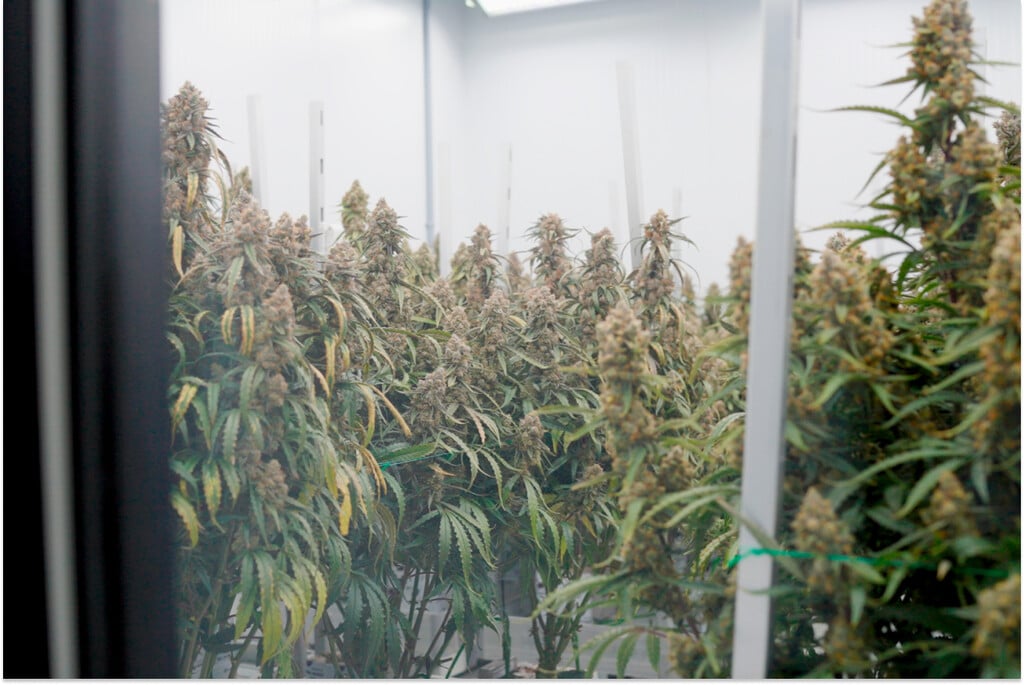
Controlled trial results show how rockwool block configuration and irrigation shot size affect cannabis yield and THC. Comparing simple versus double blocks and low versus high irrigation across two F1 varieties reveals that plant structure, not inputs alone, drives performance.
Single vs double rockwool slab configurations × low vs high irrigation shot sizes: impacts on growth, dry trimmed yield, and THC across two F1 varieties (Orion and Medusa).
Contents:
In practice, these results shift attention away from “which block or shot size is best” and towards how substrate and irrigation choices influence plant structure. Standardising substrate format and irrigation logic improves consistency by narrowing root-zone moisture and EC variability. To reproduce outcomes in controlled-environment agriculture (CEA), climate, fertigation composition, irrigation uniformity, and monitoring protocols must remain stable.
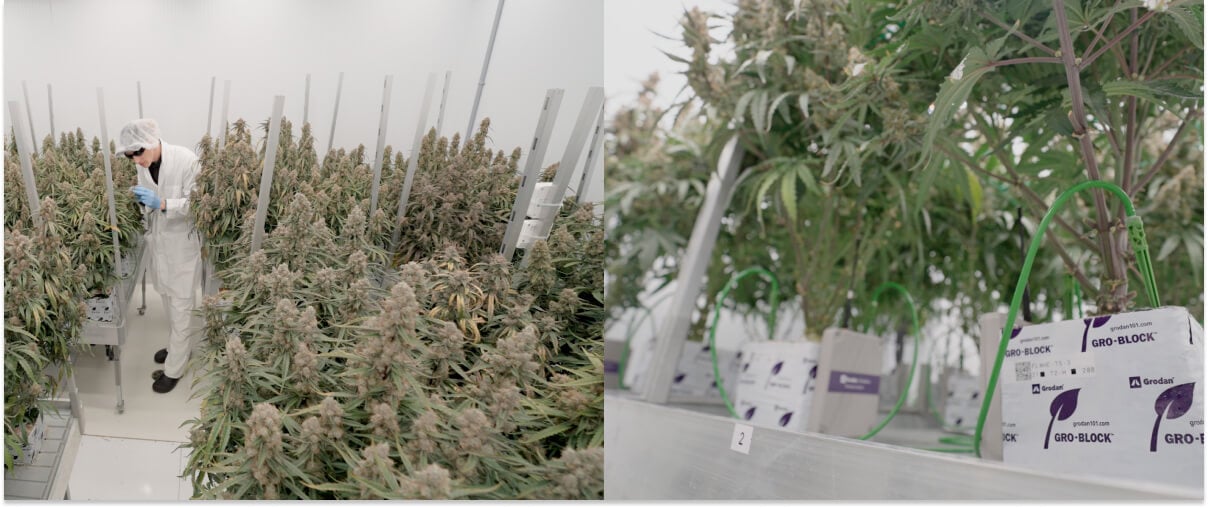
.jpg "CRIC cannabis research and cultivation trials facility")
Rockwool is a manufactured, inert growing medium produced by spinning molten mineral fibres into a porous structure. In controlled environments, this structure enables precise management of water, oxygen, and nutrient availability in the root zone, making rockwool for plants particularly suitable for repeatable cultivation trials.
Get the
Cultivation Report
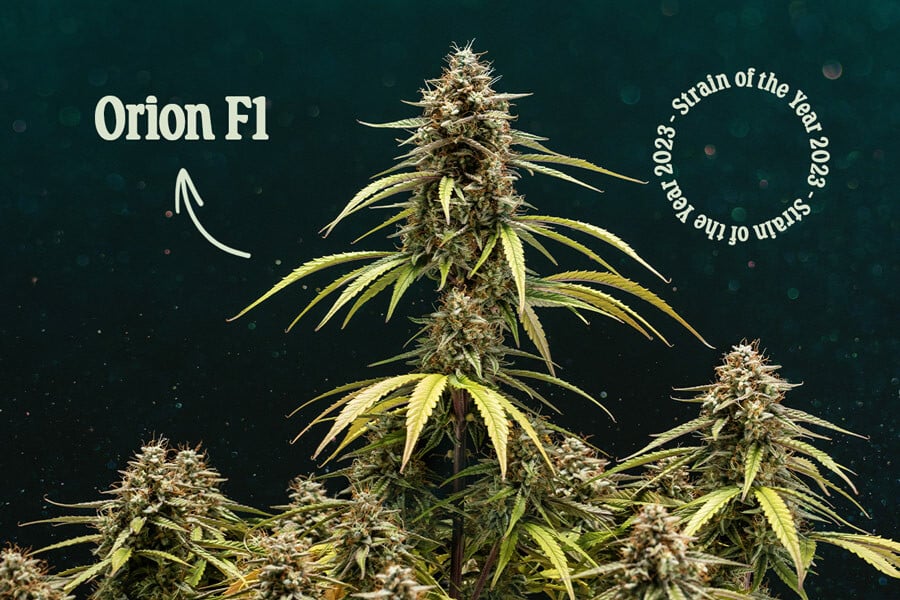
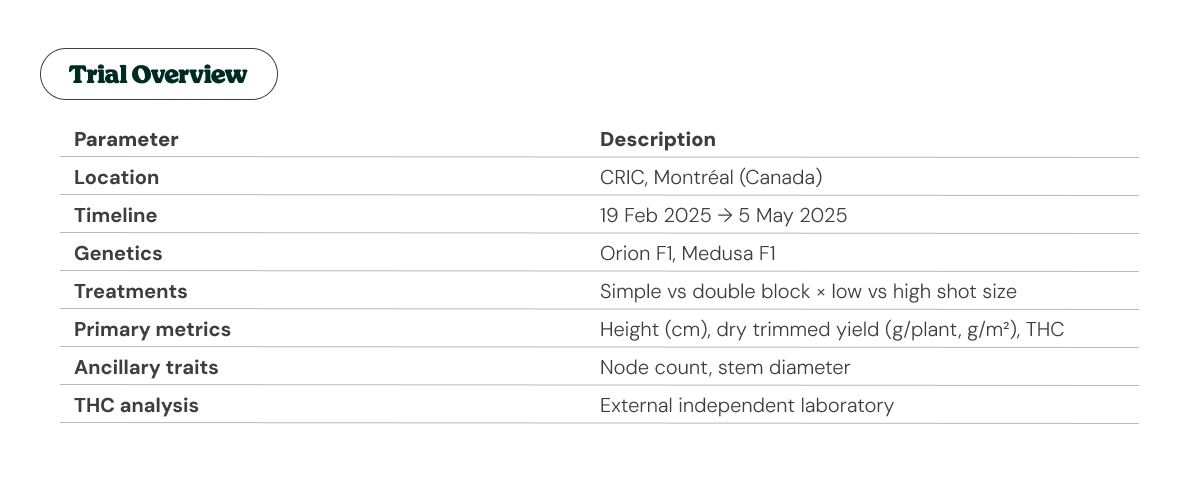
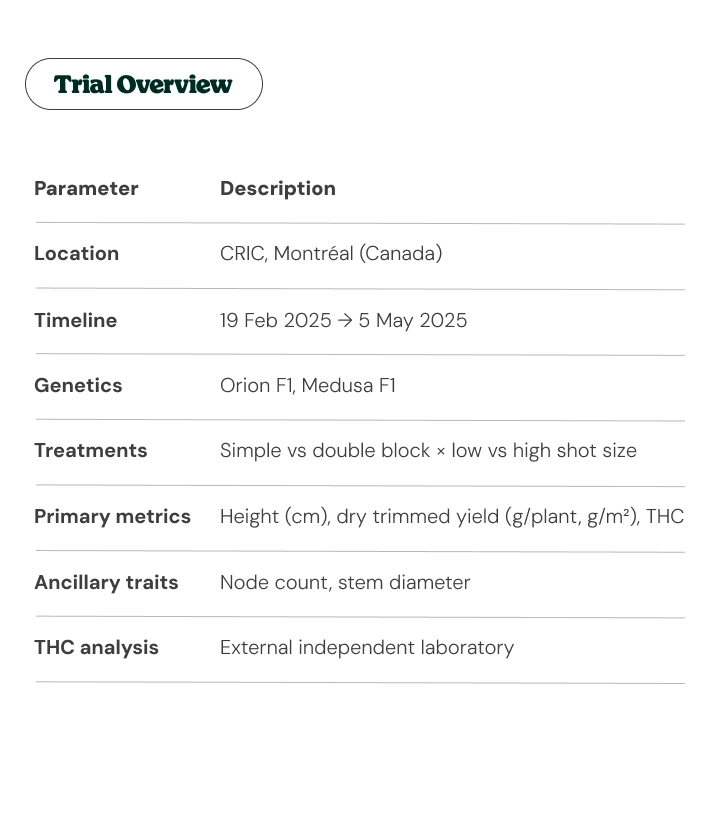
This trial, led by Grodan in collaboration with Royal Queen Seeds and conducted at the CRIC (Cannabis Research and Innovation Centre) facilities in Montréal, Canada, examined the effects of substrate configuration and irrigation shot size on cannabis growth, yield, and potency: Orion F1 and Medusa F1.
Seeds were planted on 19th February 2025 in rockwool plugs, transplanted on 21st February, transitioned to the generative stage on 3rd March, and harvested on 5th May, corresponding to an approximately 11-week cultivation cycle from seed to harvest.

_2.webp "Trial 6 introduction: simple block vs double block irrigation systems")
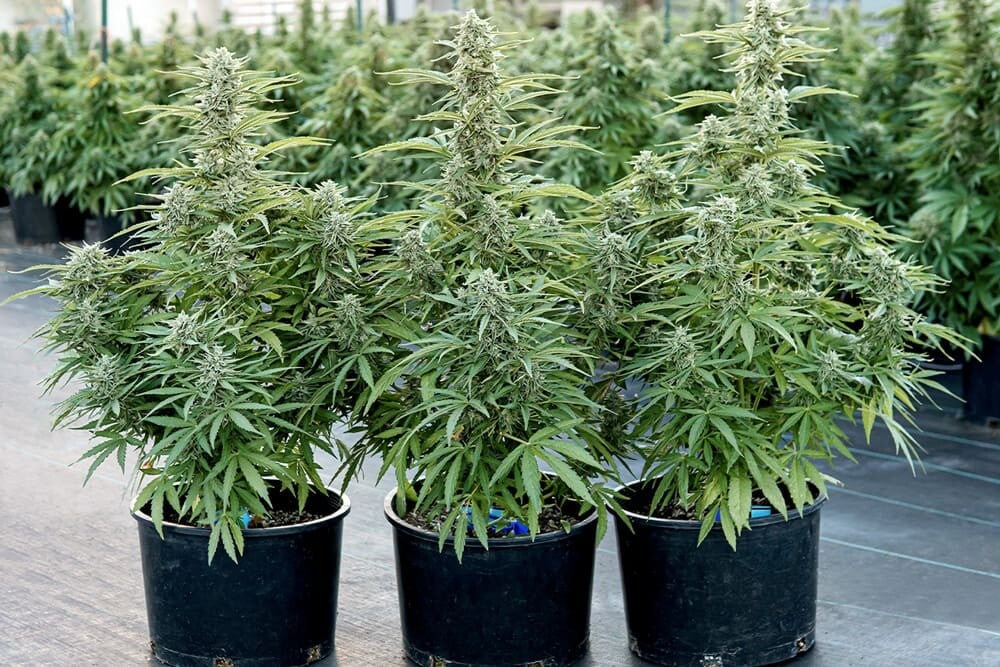
Plants were cultivated in a purpose-built controlled-environment facility using rockwool substrate as the primary rooting medium. Two block configurations were evaluated:
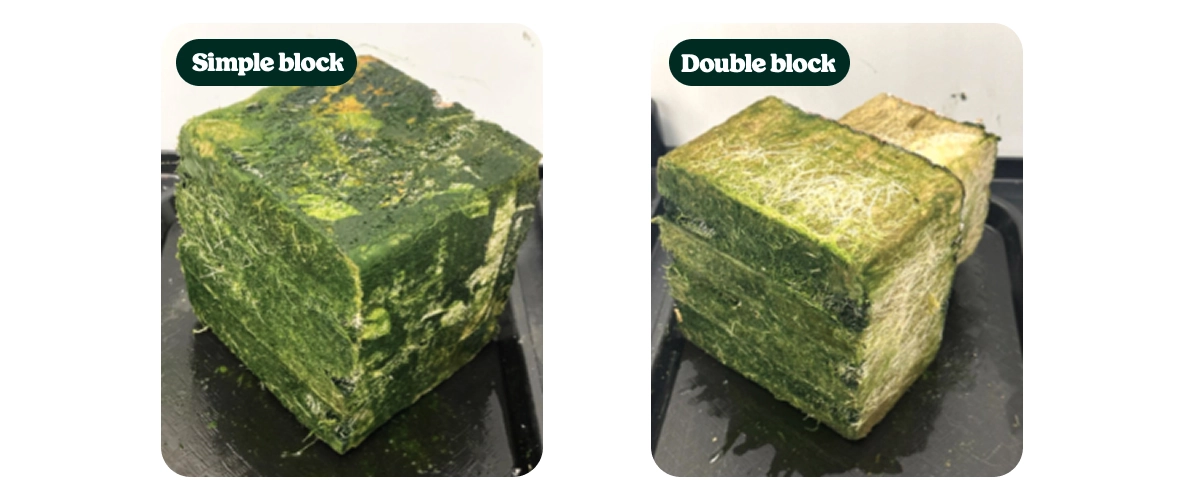
The irrigation strategy was tested at two levels:
Each variety was grown under a 2 × 2 factorial design (block system × shot size), with six biological replicates per treatment combination.
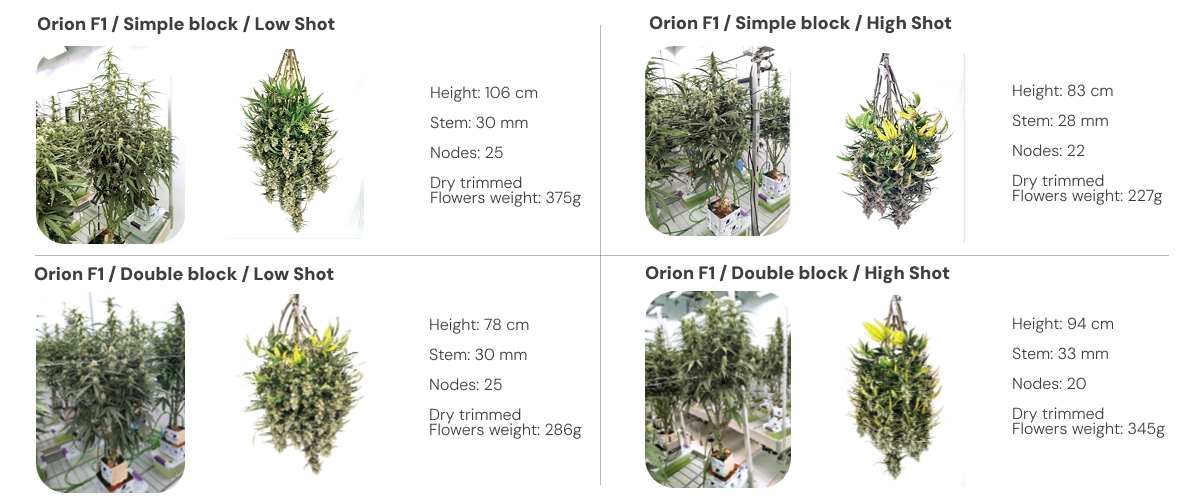
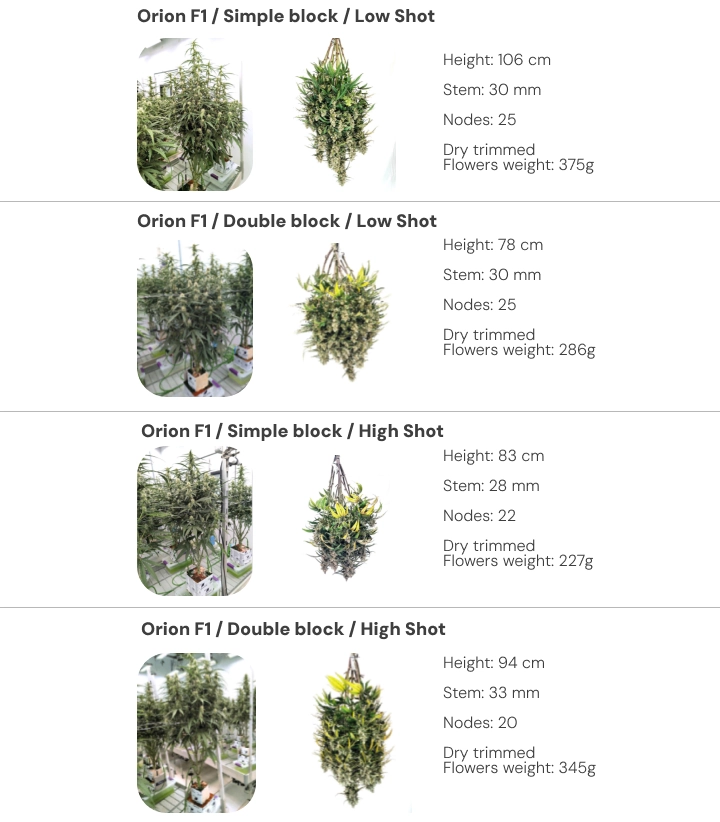
Measured parameters included final plant height, dry trimmed flower yield per plant, and relative THC ranking. Node count and stem diameter were recorded to explore relationships between plant structure and yield.
Results varied by variety and treatment and are summarised below.
| Treatment | Height (cm) | Nodes | Yield (g/plant) | THC level ranking |
| Simple block + Low | 87.3 | 22.7 | 286.7 | 2nd position |
| Simple block + High | 81.8 | 20.3 | 266.5 | 5th position |
| Double block + Low | 87.0 | 24.5 | 317.7 | 6th position |
| Double block + High | 83.2 | 22.2 | 264.2 | 8th position |
| Simple block + Low | |
|---|---|
| Height (cm) | 87.3 |
| Nodes | 22.7 |
| Yield (g/plant) | 286.7 |
| THC ranking | 2nd position |
| Simple block + High | |
| Height (cm) | 81.8 |
| Nodes | 20.3 |
| Yield (g/plant) | 266.5 |
| THC ranking | 5th position |
| Double block + Low | |
| Height (cm) | 87.0 |
| Nodes | 24.5 |
| Yield (g/plant) | 317.7 |
| THC ranking | 6th position |
| Double block + High | |
| Height (cm) | 83.2 |
| Nodes | 22.2 |
| Yield (g/plant) | 264.2 |
| THC ranking | 8th position |
| Treatment | Height (cm) | Nodes | Yield (g/plant) | THC level ranking |
| Simple block + Low | 86.5 | 22.2 | 293.8 | 1st position |
| Simple block + High | 85.3 | 24.0 | 339.8 | 3rd position |
| Double block + Low | 82.3 | 22.3 | 323.0 | 4th position |
| Double block + High | 80.8 | 22.3 | 292.0 | 7th position |
| Simple block + Low | |
|---|---|
| Height (cm) | 86.5 |
| Nodes | 22.2 |
| Yield (g/plant) | 293.8 |
| THC ranking | 1st position |
| Simple block + High | |
| Height (cm) | 85.3 |
| Nodes | 24.0 |
| Yield (g/plant) | 339.8 |
| THC ranking | 3rd position |
| Double block + Low | |
| Height (cm) | 82.3 |
| Nodes | 22.3 |
| Yield (g/plant) | 323.0 |
| THC ranking | 4th position |
| Double block + High | |
| Height (cm) | 80.8 |
| Nodes | 22.3 |
| Yield (g/plant) | 292.0 |
| THC ranking | 7th position |
Overall, treatment-level yield differences were modest relative to plant-to-plant variability, while THC showed clearer directional shifts linked to irrigation strategy.
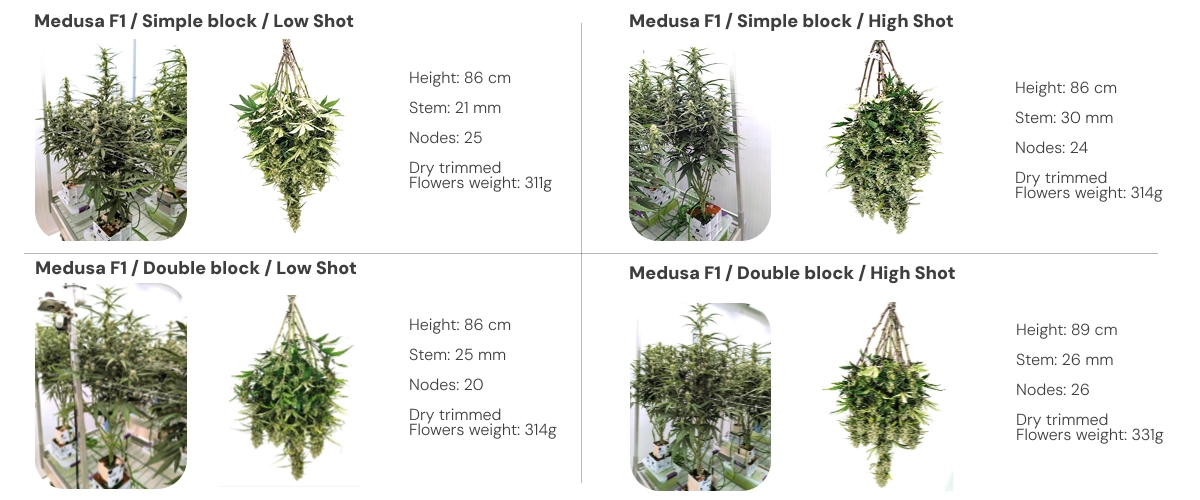
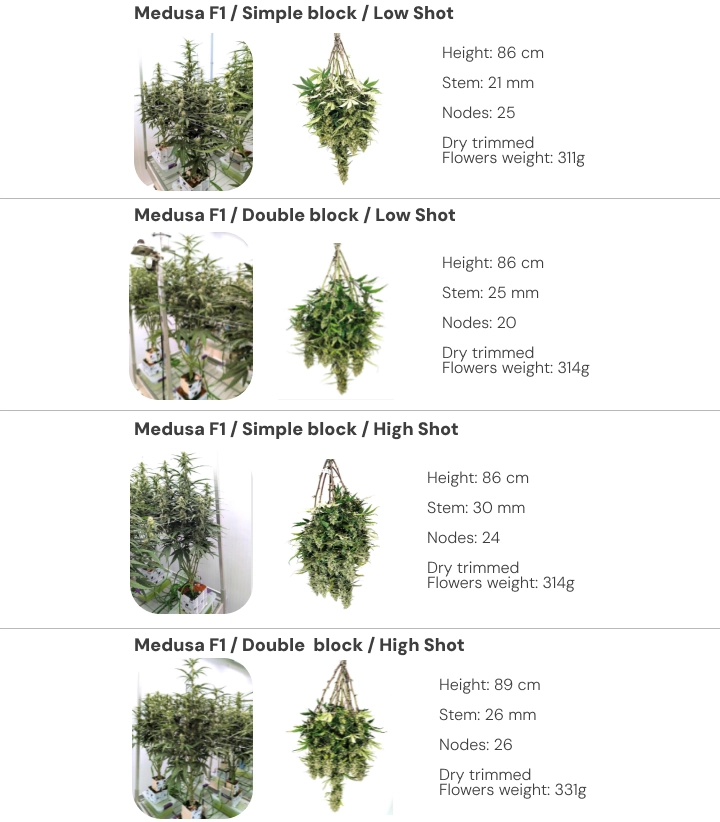
Across both varieties, plant morphology explained yield far more effectively than substrate or irrigation category alone. A linear model including plant height, node count, and variety explained approximately 72% of yield variability (R² ≈ 0.72).
Both height and node count were independently and strongly associated with yield. Each additional centimetre of plant height corresponded to roughly +4 g of dry flower, while each additional node contributed approximately +10 g, holding other factors constant. These relationships were statistically robust across treatments.
Varietal effects remained significant after accounting for structure. At equivalent height and node count, Medusa F1 yielded approximately 30 g more per plant than Orion F1, indicating a genetic efficiency advantage rather than a difference in plant size.
By contrast, irrigation level and block system showed no statistically significant main effects on yield when analysed as categorical factors. Double block systems improved root-zone buffering, and low shot size trended towards slightly higher yields and THC, but these effects were subtle compared with biological variability.
THC followed a different pattern from yield. Higher THC rankings were consistently associated with simple block + low shot size, suggesting that tighter control of dry-back (how much the substrate is allowed to dry between irrigations) and root-zone steerability (the grower’s ability to actively guide water and nutrient conditions at the roots) can favour cannabinoid concentration even when biomass gains are modest.
For growers prioritising yield, the most reliable lever is plant structure, not substrate or irrigation category alone. In this trial, Orion F1 achieved its highest yields under double block with low shot size, while Medusa F1 performed best under simple block with high shot size. These outcomes reflect cultivar-specific responses rather than universal rules.
For growers prioritising THC, both varieties showed their highest potency rankings under simple block + low shot size, consistent with slightly drier, more steerable root-zone conditions.
Mid-cycle monitoring improves decision-making. Height and node count are practical early indicators of final yield potential, while stem diameter was not a reliable predictor in this dataset. Tracking these traits allows irrigation and steering adjustments before flowering outcomes are locked in.
In controlled environments, substrate and irrigation should be treated as an integrated system. Small, well-instrumented trials conducted under stable climate and fertigation conditions remain the most effective way to validate cultivar-specific responses.
This trial highlights three practical observations relevant to controlled-environment cannabis cultivation. First, the yield differences observed here appeared to be driven primarily by plant structure and genetic factors, rather than by substrate or irrigation category alone.
Second, strategies associated with higher yield were not necessarily associated with higher THC concentration, underscoring the importance of clearly defining production objectives. Third, morphology-based indicators such as plant height and node count proved useful in interpreting treatment responses and may offer a practical framework for guiding irrigation decisions in comparable production systems.