Amount exceeded


4.7 out of 5 based on 59654 reviews




















4.7 out of 5 based on 59654 reviews
.
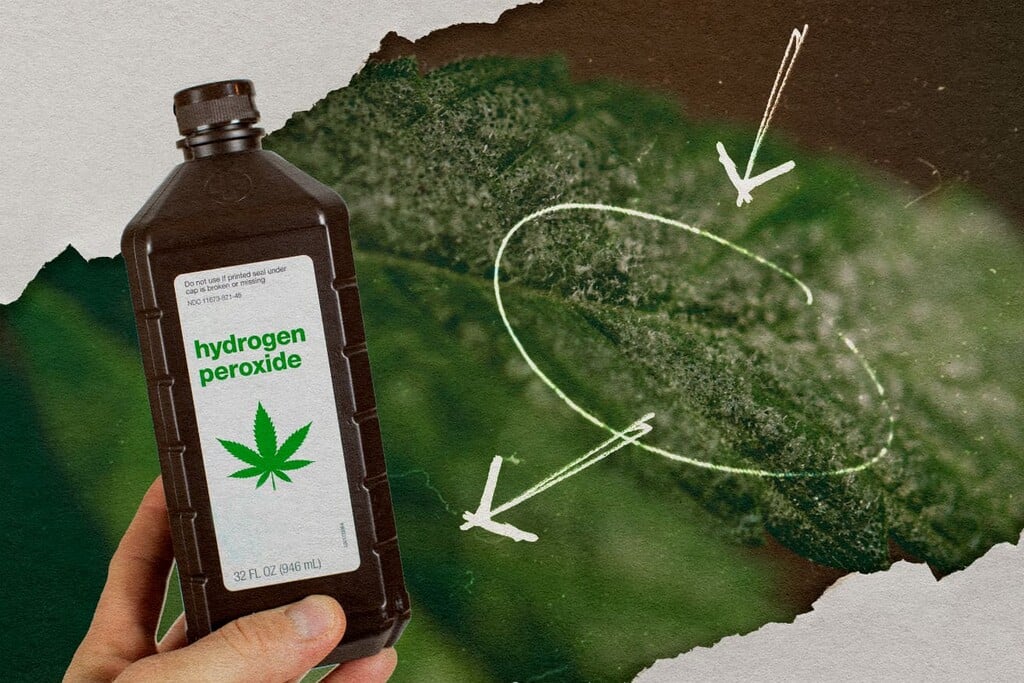
Hydrogen peroxide is a trusted antifungal in the weed grower's arsenal, especially for treating powdery mildew. But how safe is it, and what are the best ways to use it? Explore dilution tips, application instructions, natural alternatives, and more.
Contents:
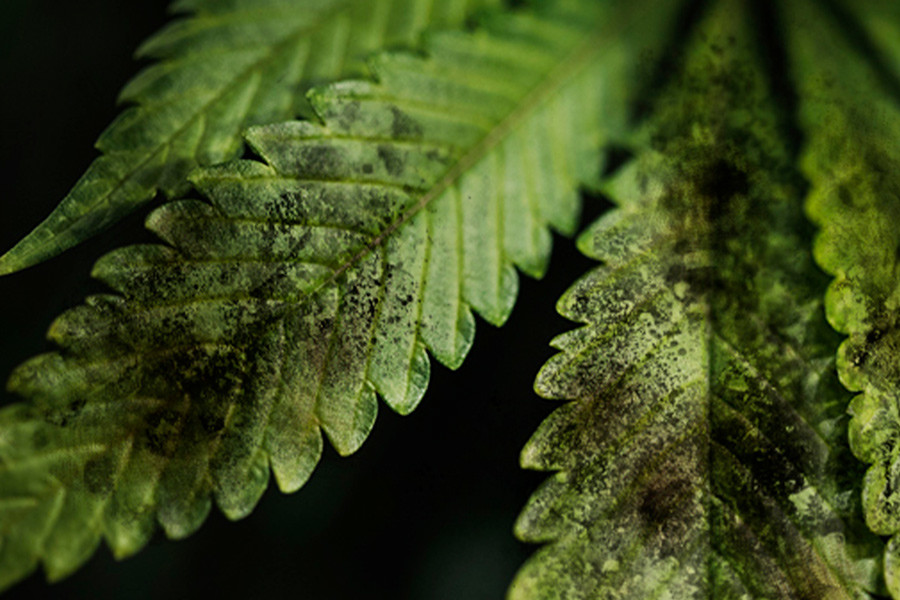
Few things stress growers out as much as finding powdery mildew (PM) on their cannabis plants. Creeping in quickly and often close to harvest, powdery mildew can be challenging to treat and has the potential to ruin your bud. Hence, when it strikes, many turn to hydrogen peroxide as a treatment.
Using hydrogen peroxide for powdery mildew is very popular as it is quick and effective in killing fungal spores, and it's easy to source. However, it’s no silver bullet, and if not used correctly, it can damage your plants and dramatically reduce the quality of your bud.
In this guide, we break down how to safely and effectively use hydrogen peroxide on cannabis. Learn how to suppress powdery mildew from the get-go, and deal with an infection if it strikes. We’ll even cover bud washing and popular alternatives to hydrogen peroxide, such as milk sprays and citric acid. Strap in, and get ready to beat powdery mildew once and for all.
Yes! Hydrogen peroxide is a time-tested remedy for powdery mildew and a core practice in the weed grower’s handbook. It is a very effective method for dealing with PM because it doesn’t simply wash the fungus from affected plant areas: it actually destroys it, cell by cell.
Cannabis growers use this method to treat plants with PM across different growth stages, even during flowering (though this requires caution).
When applied correctly, hydrogen peroxide can destroy the delicate cell structure of the powdery mildew fungus. It does this by breaking down into water (H₂O) and a spare oxygen atom, which attacks and breaks down the lipid cell membranes of PM cells.
This oxidation occurs instantly upon contact and damages the integrity of the fungus on a molecular level. Best of all, it doesn’t produce any toxic byproducts, meaning it doesn’t put you or your plants at risk. All that said, hydrogen peroxide for PM isn't always 100% effective.
Timing and concentration are very important, especially if you’re using hydrogen peroxide during flowering. Using it inappropriately or at high concentrations, for example, can burn your buds or other parts of the plant.
With no delicate bud structures, vegging cannabis plants are easy to treat with hydrogen peroxide. Once they enter bloom, however, things get a little more complicated. Early bloom treatments are usually straightforward, but once buds become more complex, it gets trickier.
Treating PM during bloom is difficult because:
Generally speaking, growers report mixed results when using hydrogen peroxide during flowering, especially during the final weeks. In late flower, powdery mildew can penetrate deep into the buds. Plus, as they thicken up, colas can trap more moisture and further restrict airflow, creating a breeding ground for the fungus.
If you haven’t managed to contain a powdery mildew infestation before bloom, don’t expect miracles. At best, most growers find that they’re able to stop the spread of the fungus by this stage, but not cure an infection completely.
Using hydrogen peroxide for powdery mildew is a solid tool. But it usually performs better as a preventative measure than an actual cure.
Hydrogen peroxide CAN:
Hydrogen peroxide CAN’T:
As mentioned, using hydrogen peroxide during flowering is possible, but it’s not without risks and challenges. While technically safe for human consumption at very small doses, applying hydrogen peroxide to budding plants (especially late in the flowering phase) can affect the quality of your harvest.
Hydrogen peroxide can damage the trichomes: delicate, tiny resin glands responsible for your bud’s potency, flavour, and aroma. Using it at high concentrations and applying it directly to your flowers can destroy the terpenes and cannabinoids that give your weed its kick.
Hydrogen peroxide breaks down into water and oxygen, meaning it doesn’t leave behind any chemical residue (a big part of why it’s so popular for treating cannabis pests and pathogens).
However, when used to treat powdery mildew on flowering weed, it may leave behind dead fungal matter and trace oxidants that contribute to a harsh smoke or flavour degradation.
Used excessively, hydrogen peroxide may oxidise healthy plant tissue and cause leaf or bud burn. If you plan to apply it to blooming plants, follow the instructions and dilution recommendations further down in this article for the best results.
If you’re hesitant to use hydrogen peroxide for powdery mildew during flowering, you’re not alone. Plenty of growers look to gentler or more targeted alternatives, especially during the final weeks of bloom. Some are organic, others not so much, and they all offer distinct pros and cons. Use the table below to figure out which one best suits you:
| Pros | Cons | |
| Hydrogen Peroxide | Kills spores fast, affordable, and easy to source | Can damage trichomes and foliage, hard to reach embedded infections during flowering |
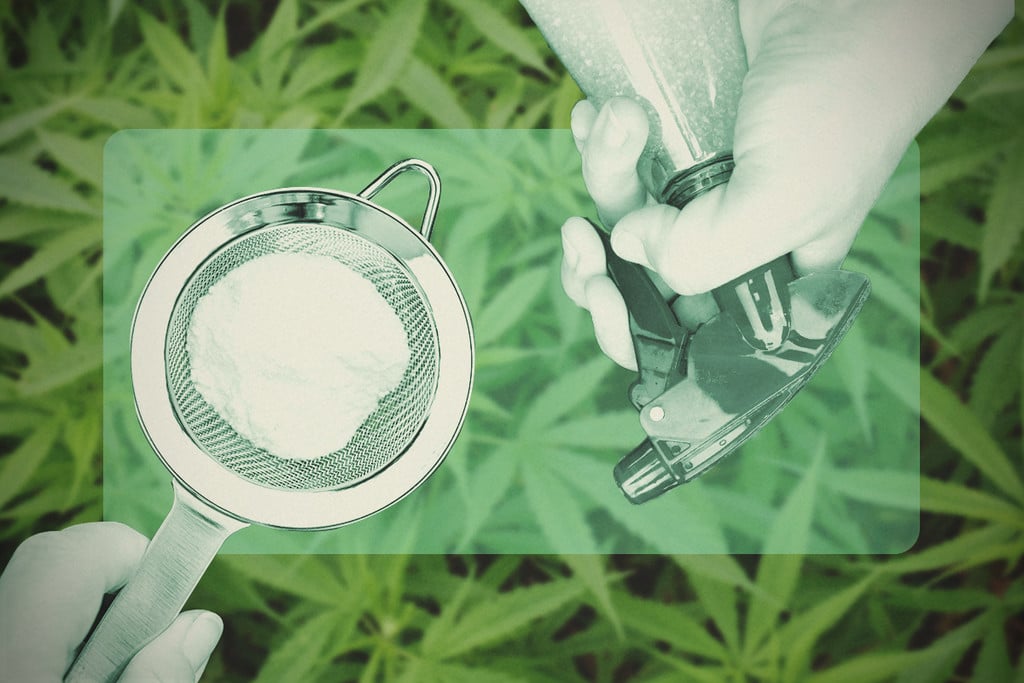
| Milk Spray (1:1 water and milk mix) | Natural, inhibits mildew growth by changing pH | Produces residue, can cause mould if overused and not washed off properly |
| Citric Acid Spray (1 tbsp per 500 ml of water) | Organic and food-safe, antifungal, gentle on plants | Needs consistent application, may not kill all spores |
| Green Cleaner | Commercial-grade antifungal agent, safe to use during bloom, kills spores on contact | Costly, may require multiple applications |
| Dr. Zymes | Enzyme-based, non-chemical treatment for PM and other pests/pathogens | Strong smell, limited availability |
| Hydrogen Peroxide | |
|---|---|
| Pros | Kills spores fast, affordable, and easy to source |
| Cons | Can damage trichomes and foliage, hard to reach embedded infections during flowering |
| Milk Spray (1:1 water and milk mix) | |
| Pros | Natural, inhibits mildew growth by changing pH |
| Cons | Produces residue, can cause mould if overused and not washed off properly |
| Citric Acid Spray (1 tbsp per 500 ml of water) | |
| Pros | Organic and food-safe, antifungal, gentle on plants |
| Cons | Needs consistent application, may not kill all spores |
| Green Cleaner | |
| Pros | Commercial-grade antifungal agent, safe to use during bloom, kills spores on contact |
| Cons | Costly, may require multiple applications |
| Dr. Zymes | |
| Pros | Enzyme-based, non-chemical treatment for PM and other pests/pathogens |
| Cons | Strong smell, limited availability |
If you decide to use hydrogen peroxide to treat powdery mildew, proper application is everything. The right mix and method can stop spores in their tracks without damaging your plants or their buds. Get it wrong, however (especially during flowering), and you risk damaging the flavour and potency of your harvest.
When using hydrogen peroxide on powdery mildew, stronger isn’t always better. Remember, the goal here is to kill spores, not harm your plants. Hence, always stick to these ratios:
Note: Always test your hydrogen peroxide solution on a single leaf first before treating an entire plant. Wait at least 24 hours for signs of stress or burn.
When using hydrogen peroxide to treat cannabis with powdery mildew, spot-treating might not always be enough. For the best results, cover the entire plant, including areas that appear unaffected. Mildew spreads quickly and doesn’t always leave signs until it’s well established.
To apply hydrogen peroxide:


Remember: timing matters when treating mouldy bud with hydrogen peroxide. To avoid stressing your plants, spray them during their lights-off period (indoors) or after sunset (outdoors). Light and heat can interact with hydrogen peroxide and cause leaf burn.
For prevention, spray your plants every 7–10 days. To treat a powdery mildew infestation, spray your plants every 1–3 days until the issue resolves. Always give your plants ample time to dry after spraying, and monitor them closely for signs of leaf damage or stress.
When powdery mildew strikes during flowering, growers can either spray their plants or opt to wait out the infection and wash their buds with hydrogen peroxide post-harvest. Both methods have their pros and cons, and deciding which approach to use depends on the individual case.
Pros:
Cons:
Generally speaking, spraying flowering plants with hydrogen peroxide is a last resort. If you do it, ensure maximum airflow, and only lightly mist your plants.
Bud washing with hydrogen peroxide is fairly popular, and often attributed to iconic grower Jorge Cervantes. This technique involves washing harvested bud in a water and hydrogen peroxide solution to eliminate fungus spores and wash away dirt, dust, and other impurities.
Here's what Jorge Cervantes’ bud washing method involves:
Some growers use Jorge Cervantes’ bud washing method after every harvest, not only to treat PM. They argue that the washing process promotes a cleaner, smoother smoke. We’ve found that, when performed properly, bud washing is a great way of cleaning your flower and elevating the quality of your harvest. Make sure to check out our comprehensive guide to bud washing and try it out for yourself.
Bud washing is generally a good idea. Powdery mildew spores can be invisible, and spread even once you’ve given your plants the chop. In fact, spores can even reactivate in your curing jars, rendering your dried and cured weed completely unusable.
Moreover, given their dense structure, cannabis flowers can trap a lot of dirt. So washing them post-harvest is usually a good idea. And if you’re sceptical, don’t be: bud washing won’t ruin the cannabinoids or terpenes in your weed. Instead, it’s a great way to elevate both your weed’s aromas and flavours.
Since bud washing introduces excess moisture to your flowers, an effective drying technique is super important. Use the tips below to ensure your weed dries evenly after washing:
While hydrogen peroxide can effectively treat powdery mildew, remember that its effectiveness varies. Hence, your best strategy for preventing PM is to master the following:
Remember that mould thrives in hot, humid conditions with poor airflow. Keep your grow space cool, relatively dry, and well-ventilated, and you’re on the right path to a mould-free harvest.
Hydrogen peroxide definitely has its place in treating powdery mildew. It’s cheap, accessible, and very effective at killing surface spores. However, it has its drawbacks and is especially limited during flowering.
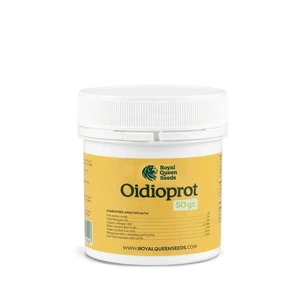
Moreover, hydrogen peroxide can stress your plants, damage trichomes, and it isn’t always effective at treating aggressive PM infections. That’s why some growers turn to Oidioprot, an organic fungicide developed specifically for cannabis cultivation.
Oidioprot offers a gentler, more targeted approach and is especially effective at preventing PM or dealing with infections early.
While hydrogen peroxide might work in a pinch, Oidioprot may be worth considering if you’re looking for a more reliable long-term solution to powdery mildew.