Amount exceeded


4.7 out of 5 based on 59654 reviews




















4.7 out of 5 based on 59654 reviews
.
Powdery mildew (PM) can ruin cannabis harvests, but it's not a death sentence. This guide covers PM's biology, early detection signs like white spots and velvety texture, and how to differentiate it from lookalikes. You'll learn prevention strategies including environmental control, IPM, and resistant genetics. Plus, discover a 3-phase cure.
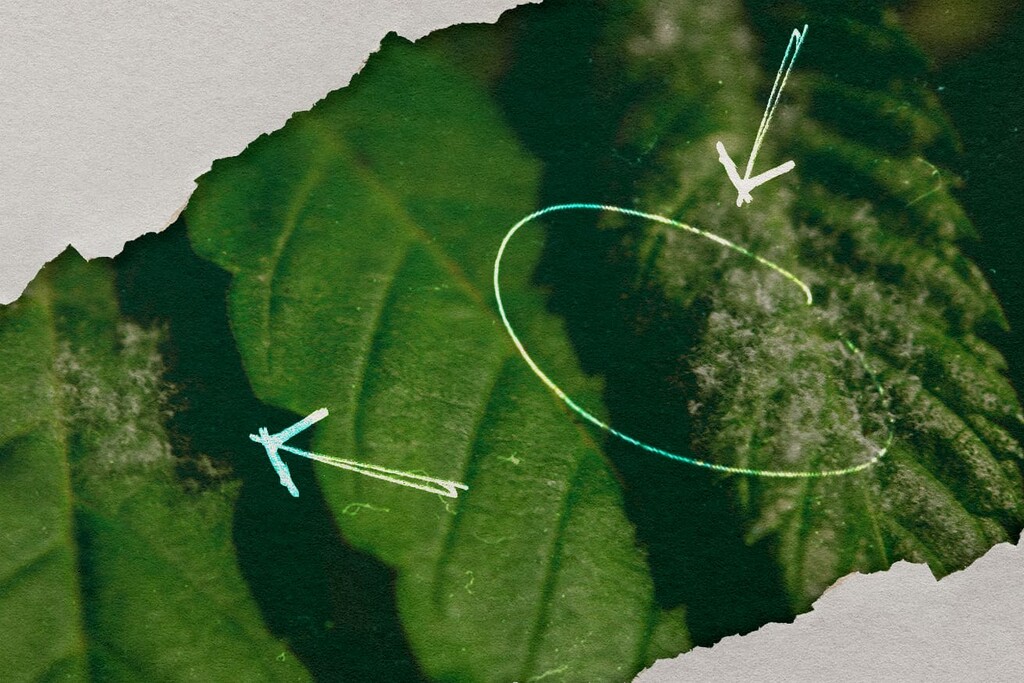
Ever come across chalky white spots on cannabis leaves? More than mere dust, this substance is powdery mildew (PM), a fngal pathogen that can severely impact plant health if left unchecked. Though it thrives in humid environments, it can also strike carefully managed and relatively dry grow tents and gardens.
While the sight of powdery mildew can signal some alarm, taking swift action can help to block the spread and even cure plants entirely, reducing any impact on growth, development, and yield.
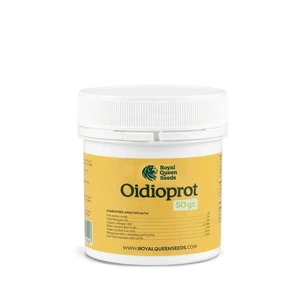
Below, we will equip you with everything you need to know to protect your plants against PM. You’ll learn exactly what it is, why it appears, how to spot it early, how to prevent it from recurring, and some quick cures, including hydrogen peroxide application. You’ll discover both organic and chemical solutions, including Oidioprot, to help you conquer the disease at varying stages of severity.
Powdery mildew, also known as oidium, is one of the most common cannabis plant diseases[1]. Caused by several taxa of fungi that belong to the Erysiphales order, the disease impacts a wide range of plant species and typically takes hold in high-humidity environments with moderate temperature, making greenhouses and polytunnels particularly susceptible.
Mildew on cannabis begins once spores land on leaves, petioles, or buds. After germination, fungal strands begin to colonise the tissue, robbing nutrients and casting a shadow over the surface. Once well-established, infections inhibit photosynthesis, reduce terpene concentrations, and can ruin entire harvests through spore contamination.
Understanding the life cycle of powdery mildew will help you get to grips with the severity of infections you come across:
Checking for the signs of early-stage powdery mildew allows growers to identify and treat the disease before it spreads out of control. These early symptoms include:
White spots on weed leaves aren’t exclusive to powdery mildew. However, other symptoms allow growers to distinguish PM from a host of other potential issues. Some PM "lookalikes" include:
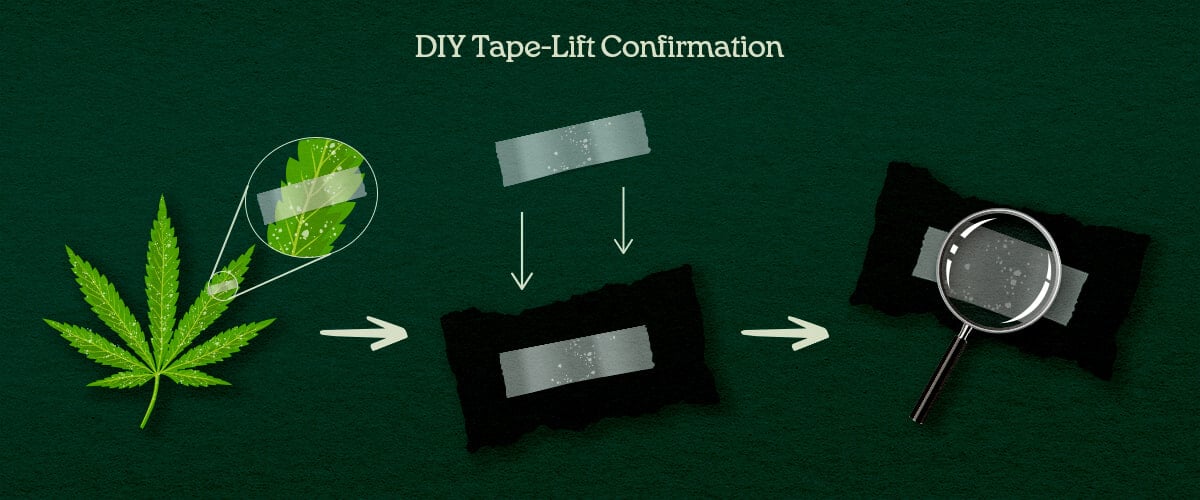
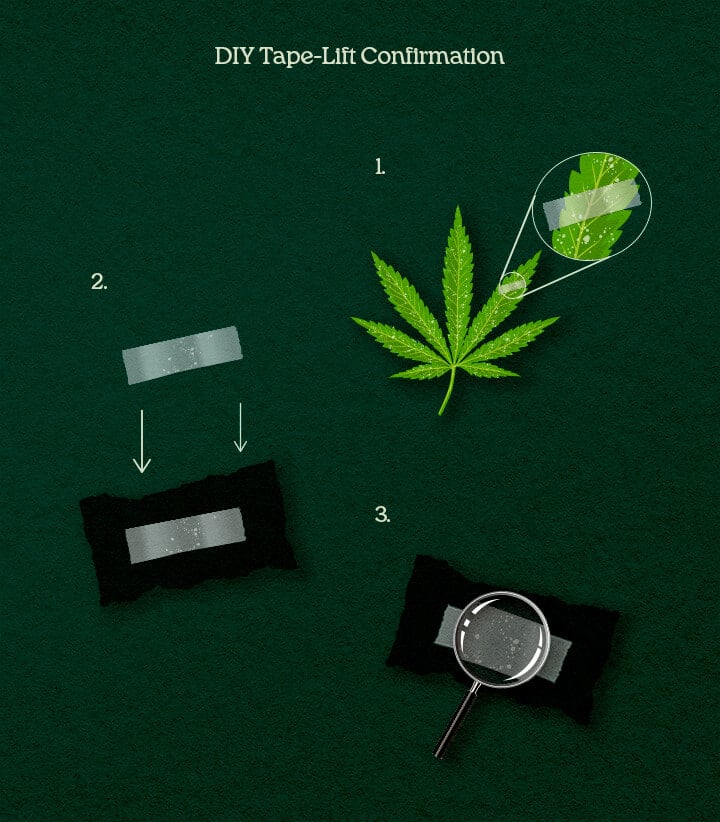
Thankfully, home growers don’t need to invest in expensive microscopes or testing to identify powdery mildew on marijuana. The trusty DIY tape-lift method serves as an easy way to rule out other conditions and confirm the presence of PM conidia and hyphae. Follow the simple steps below to complete this test.
But now to the question on many cannabis lovers' minds: can you still safely smoke cannabis nugs with powdery mildew, or are they destined for the bin? Find out why you should avoid them at all costs below.
In severe cases of PM infection in weed, you just have to raise the white flag and come to terms with the loss. Smoking powdery mildew cannabis introduces fungal spores and mycelial fragments directly into the lungs. This can trigger serious respiratory issues, including asthma, bronchitis, and allergic reactions, and poses an extreme risk to health for immunocompromised individuals.
While some growers attempt to “wash” or remove mildew from infected buds, complete eradication is almost impossible, making this procedure highly risky. Even if they appear clean, microscopic conidia can remain hidden and embedded in bracts. The safest approach for any powdery mildew nug is, unfortunately, to scrap it.
Treating powdery mildew can prove a challenge, especially in severe infections. As with all cannabis pests and diseases, prevention is better than a cure. Get familiar with key PM strategies below.
Maintaining precise environmental control is paramount to deter PM. Therefore, keep the conditions in your grow tent consistent in accordance with the stage of the growing cycle. Strive for a temperature range of 20–25°C, with relative humidity levels below 60% during veg and around 40–50% during flowering. Ensure ample airflow to prevent stagnant air where mildew thrives.
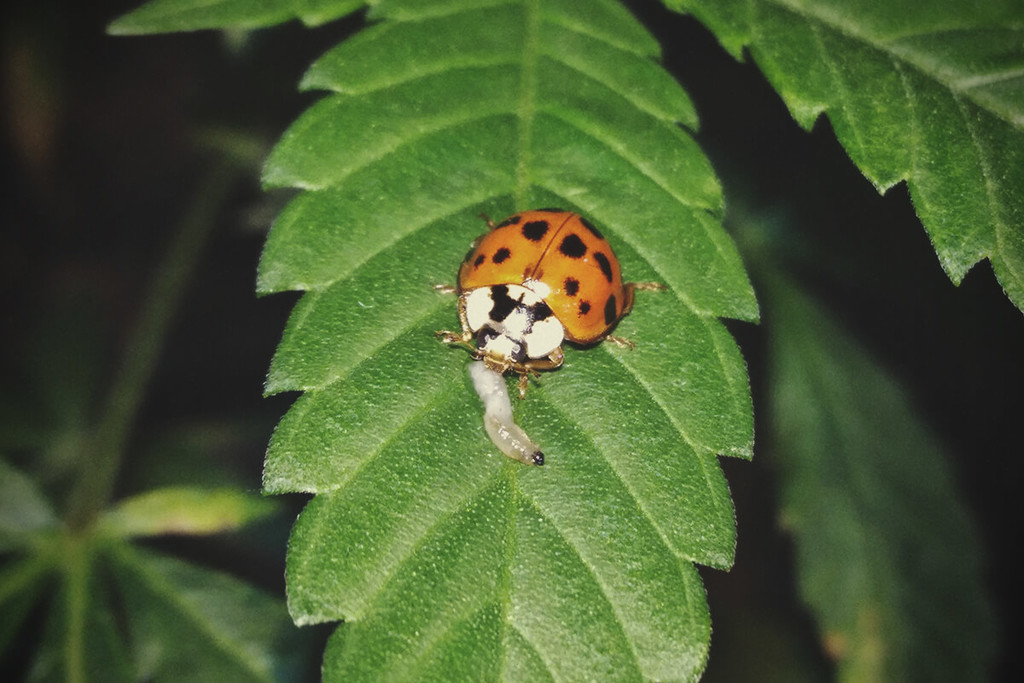
Regularly inspect plants for the early signs of powdery mildew, making it part of your daily routine. Consider implementing companion plants, living mulch, and beneficial insects to increase biodiversity (which helps to combat disease). Regularly prepare and apply lactic acid bacteria and compost tea foliar sprays to keep your plant’s microbiome in check.
Breeders have worked hard over the years to produce mould-resistant genetics, including varieties that display resilience against powdery mildew. Consider the following strains to bolster your crop against PM:
If you’re growing weed in humid climates, always consider growing disease-resistant genetics to save yourself lots of hassle during each growing cycle.
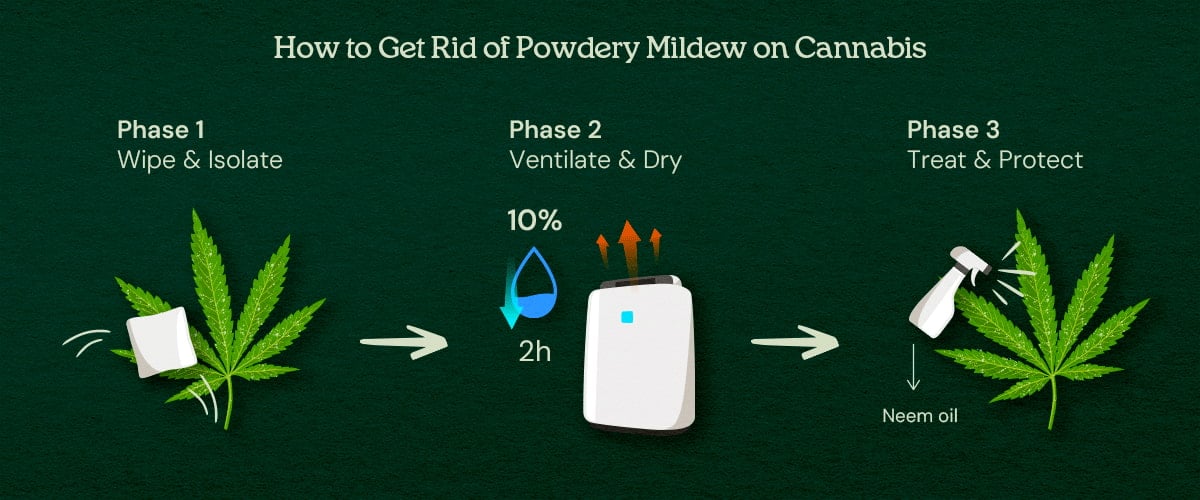
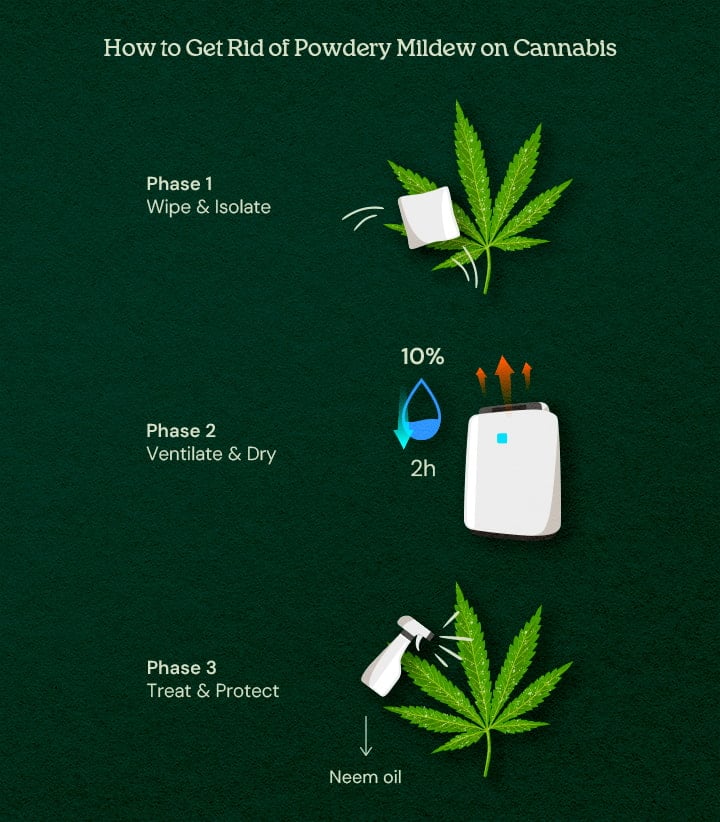
Now, let's proceed with how to get rid of powdery mildew on cannabis. While effective, prevention doesn’t work 100% of the time. Plus, you might find yourself in the throes of an infection without previous knowledge of prevention techniques. In either case, you can use the approaches below to attempt to treat a PM infection.
Begin by gently wiping away any visible white powder using a damp paper towel. This physically captures and removes significant amounts of spores and hyphae. Immediately seal the paper towel in a plastic bag and place it in the bin to reduce the risk of spread.
Use additional fans or a dehumidifier to improve air circulation and reduce ambient humidity. Using a thermo-hygrometer, aim for a 10% drop in relative humidity within two hours.
During veg, several treatments are effective against powdery mildew. In more severe cases, consider applying neem oil as a foliar spray or a potassium bicarbonate solution to alkalise leaf surfaces.
When dealing with powdery mildew during flowering, gentler methods are essential to protect developing buds and avoid residual contamination. Hydrogen peroxide for powdery mildew during flowering, at a concentration of 3%, can be lightly misted onto affected areas. Apply this only with the lights off to prevent phytotoxicity. Treating cannabis powdery mildew with peroxide is a relatively safe and common tactic during the late flower phase.
Observe your plants meticulously over the following week, using the checklist below to minimise reinfection:
Various organic and chemical sprays exist to help growers swiftly take care of a powdery mildew infection. Let’s cover the organic options first:
Sometimes, organic controls don’t cut it. Chemical controls require extreme caution, but are useful in dire circumstances. Commonly allowed active ingredients include trifloxystrobin and myclobutanil. Always be aware of legal restrictions in your specific region and remember to adhere to strict harvest withholding periods to prevent ingesting harmful residues.
UV-C handheld wands can be used for surface sterilisation, targeting and disrupting fungal DNA on grow room equipment. Ozone generators are also effective for sterilising unoccupied grow rooms by oxidising airborne spores and surface contaminants. However, both require strict safety precautions and are better reserved for regulated commercial operations.
To effectively manage powdery mildew, remember these three essential actions: detect early to catch infections before they spread, control your environment meticulously to inhibit fungal growth, and apply targeted powdery mildew treatments quickly at the first sign of trouble. Implement a weekly integrated pest management (IPM) log to track your observations and treatments. Now, go forth with your newfound knowledge and grow some high-quality, clean cannabis.