Amount exceeded


4.7 out of 5 based on 59654 reviews




















4.7 out of 5 based on 59654 reviews
.
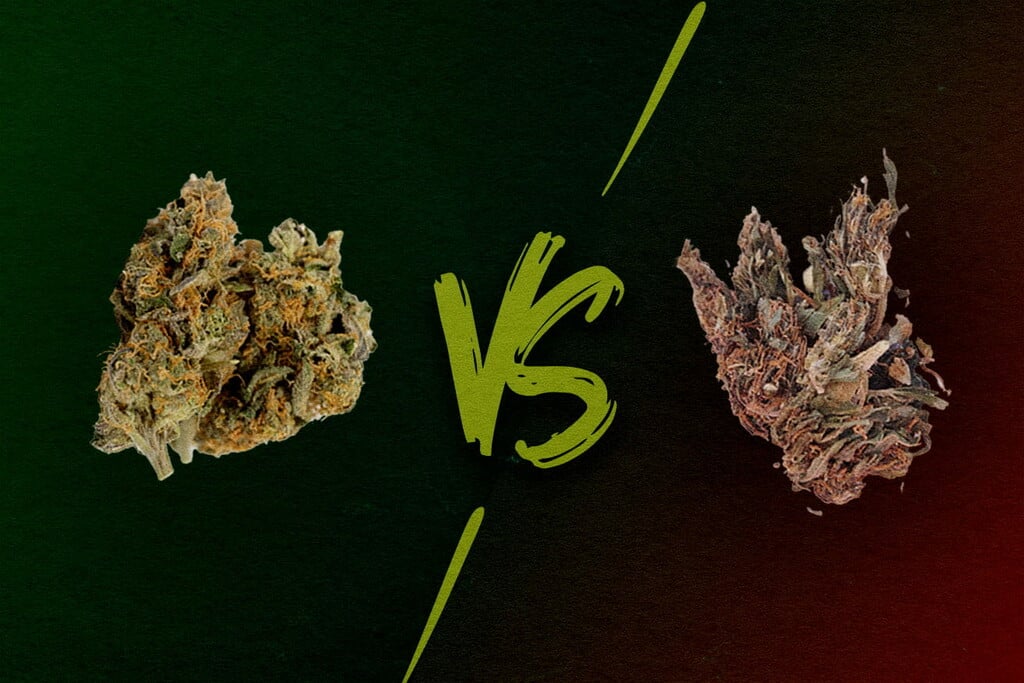
Struggling to tell good weed from bad? This guide breaks down cannabis grading systems, from street slang like "reggie" and "loud" to THC-based tiers. Discover how to judge weed by look, smell, and feel, and learn which grade suits your budget, tolerance, and smoking goals. Never guess again.
Contents:
Whether you’re new to cannabis or a seasoned smoker, you’re likely aware that the quality of weed varies drastically. Several factors influence the potency, flavor, and smoothness of your bud, from genetics and cultivation techniques to post-harvest processing.
However, smokers have faced issues for decades when it comes to quantifying the properties of the cannabis they purchase, and many are still forced to rely on loose and seemingly arbitrary terms such as “reggie,” “mids,” and “high-grade.” But what do these tags really mean? And is it worth spending more money based on these titles alone?
In this guide, we'll help you figure out the differences, breaking down the visual, aromatic, and experiential cues that separate top-shelf flower from sub-par bargain bud. From “reggie” to “AAAA,” we’re about to decode the cannabis quality spectrum to keep you from guessing ever again.

Weed grade systems attempt to categorize cannabis based on its perceived quality. Most of these systems are not standardized and are highly subjective. However, others use objective variables such as THC concentration. While no single system covers all of the bases, using several together can help smokers distinguish poor-quality weed from top-shelf flowers.
Originating from cannabis street culture, the slang-based system became popular in the early 2000s across the United States and still remains relevant today. The terms used to categorize cannabis are casual and non-technical but still have their place. These include:
Also known as the “A” grading scale, this system was developed in Canada before legalization was introduced in 2018. While slightly more detailed than the slang-based system, it still relies upon subjective variables. However, it helped growers, dealers, and buyers establish a means of ranking product quality in unregulated markets before the emergence of lab-based legal testing. The “A” ranking includes:
This system stems from state-level medical marijuana programs in the United States, most notably Ohio, which legally define cannabis flower based on THC concentrations. These tags were introduced to help regulate dosage and purchase limits under state law. These tiers include:
Following the legalization of cannabis in states such as Colorado and California, retail-style branding entered the space. Here, shelf placement made it easy for customers to visually associate price and quality tiers. These placements include:
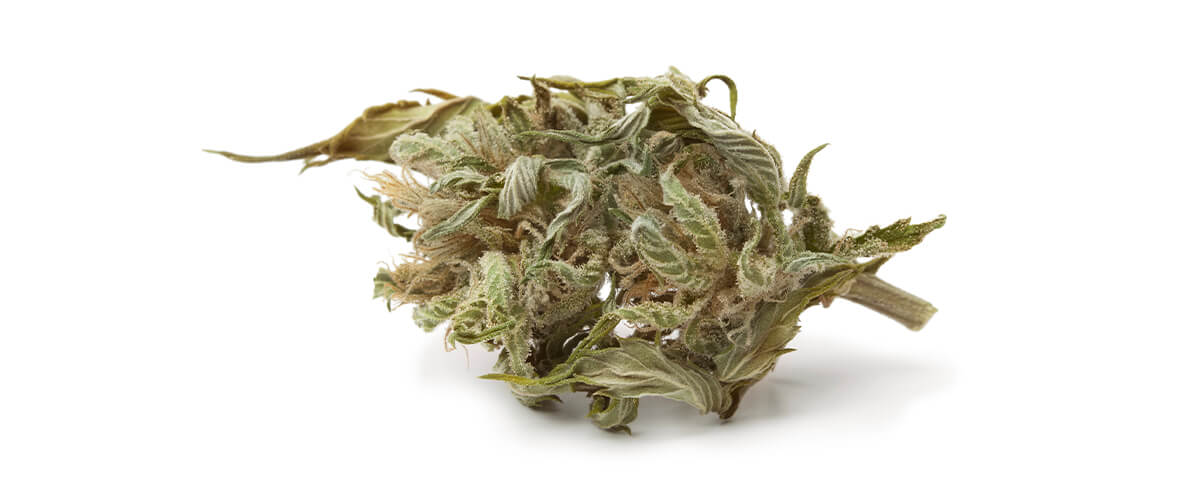
Low-grade weed, also known as reggie, bottom shelf, or “A,” is the bargain bin of bud. While tempting for shoppers looking to be as economical as possible, it lacks the flavor and potency of more expensive options. More often than not, low-grade buds are dull in appearance and brittle in texture. They’re typically low in THC with a poor flavor profile and hay-like aroma.
While certainly not the best weed available, some cannabis users are happy to invest in low-grade weed when it comes to making edibles or extracts. Likewise, others purchase bottom-shelf pre-rolls in bulk as part of their personal stash.

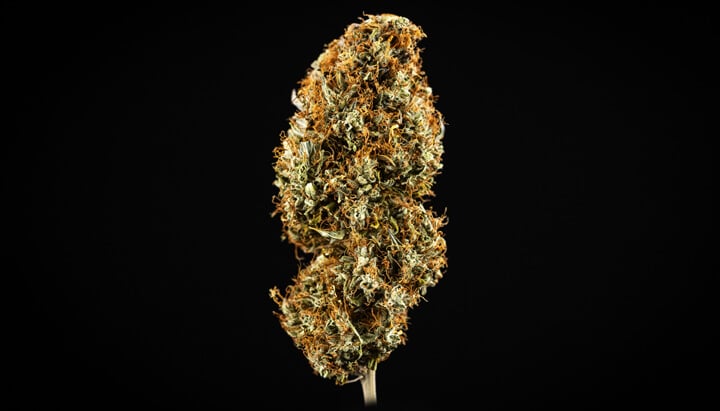
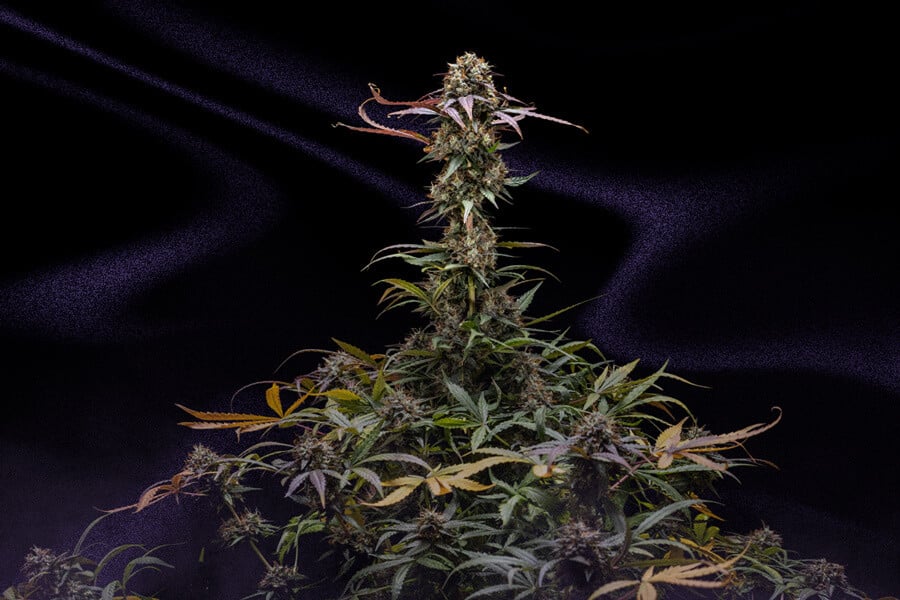
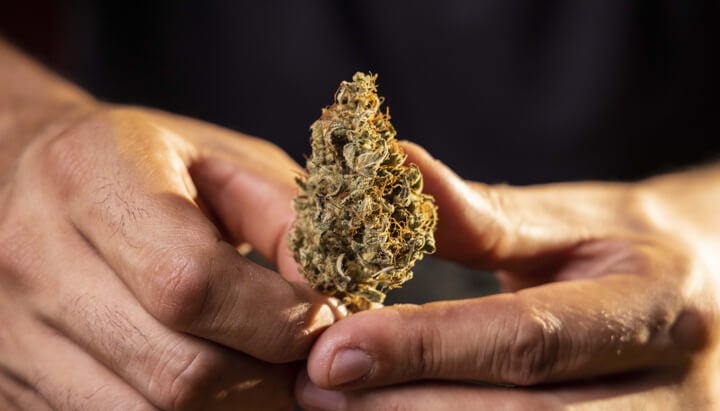
High-grade weed varies considerably from low-grade material when it comes to potency, flavor, aroma, feel, and appearance. Buds are typically firm to the touch and sticky, without being overly wet and easy to crumble between the fingers. They contain greater levels of THC and far more terpenes, the latter of which give them a pungent aroma.
So, why is high-grade weed more expensive? Simply put: you’re buying a better product that costs more to produce. These buds are grown by knowledgeable cultivators who invest more time and money into selecting genetics, feeding, watering, flushing, and processing.
The terms “mid” and “loud” derive from the slang-based classification system. But what do they actually mean? While highly subjective, there are some concrete traits that clearly place them in either category, including their THC and terpene content. Dive deeper into these differences below.
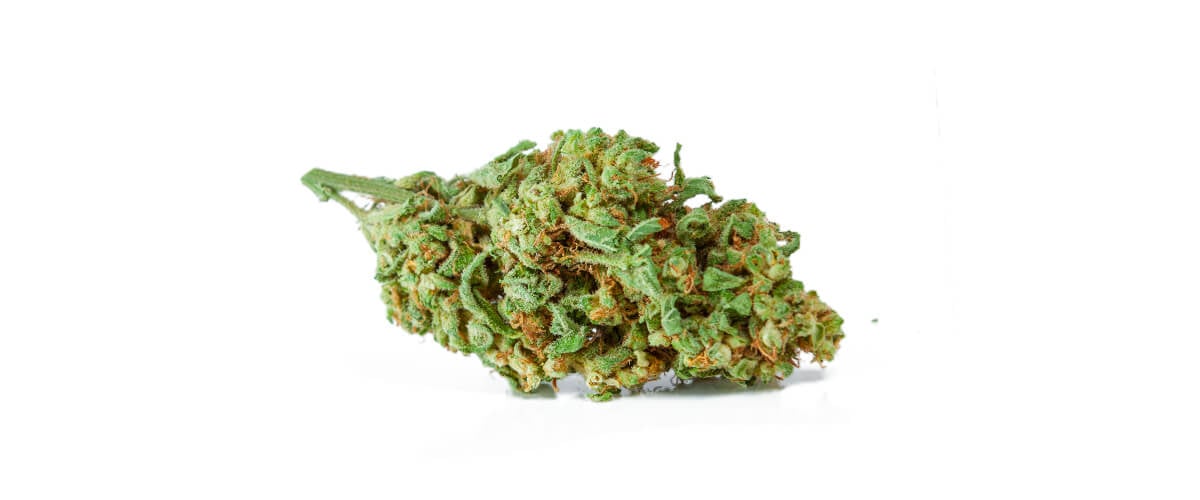
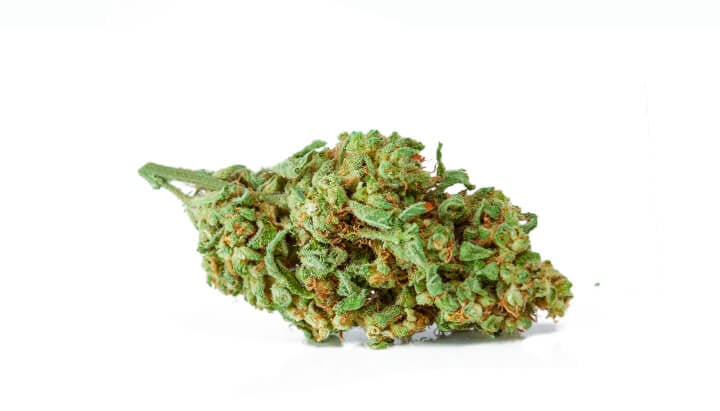
Mid-grade weed offers a more affordable option while providing an all-around superior experience to low-grade buds. These flowers typically contain a THC content of 15–20% and boast a decent aroma. They feel compact in the hand without being wet or too dry. Overall, mids provide a mild experience that is ideal for daytime use.
The term “loud” describes buds with an obvious (and pleasant) aroma and an attractive frosty appearance, but it doesn’t directly refer to potency. Loud weed is simply more packed with aromatic chemicals like terpenes, esters, and volatile sulfur compounds (VSCs), resulting in a strong scent. While these chemicals contribute to cannabis' effects, they do not directly affect the potency like THC does.
While some smokers will always opt for loud weed, it all comes down to personal preference. The difference between mid vs. loud weed typically boils down to appearance and aroma. While many strains deemed "loud" do indeed contain high THC levels, a well-grown and cured mid strain has the capacity to offer an equally potent effect, even if the flavor is less pronounced.
Next, we’re going to dive deeper into the differences between low-grade and high-grade weed. While simple, these factors enable users to easily assess the quality of weed without laboratory assistance.
Low-grade buds look dull and are often brownish or faded green in hue, with few visible trichomes. In contrast, high-grade flowers feature bright and vibrant colors, including deep green with occasional hints of purple and orange. Low-grade buds vary in texture but usually appear dry, crumbly, and brittle. A telltale sign of high-grade weed is a firm and sticky texture that isn’t overly wet or dry.
Cheaper buds smell musty, hay-like, or even slightly chemical (not in a good way), owing to poor cultivation practices and improper processing. High-grade buds, on the other hand, feature strong and characteristic aromas that vary from strain to strain. Expect potent notes of fruit, pine, or skunk.
Low-grade weed is often low in THC and therefore delivers weak effects. High-grade flowers, boasting superior genetics and higher trichome density, contain moderate to high levels of THC, resulting in pronounced effects that set in quickly and last longer.
Regardless of what tier you seek to purchase from, you should still use the tips below to differentiate the good from the bad within each category:
As mentioned earlier, some standardized systems aim to categorize weed based on measurable metrics. While limited to regions that enjoy regulated legal markets, they’re useful for consumers not only when looking for high-grade weed, but also to remain within legal consumption limits.
The tier system, used in states such as Ohio, separates cannabis flowers into different rankings based on their potency. This helps consumers in strain selection and also helps to enforce purchase limits. The two primary tiers include:
You’re now aware of the differences between tier 1 vs. tier 2 flowers, but further classifications exist outside of the medical system and slang-based system. Some dispensaries use “tier 3” labeling to tag low-grade weed. Likewise, the dispensary “A” system uses the tag “A” to designate “reggie” weed and “AAAA” for top-shelf buds.
The quality of cannabis can vary drastically within each arbitrary “tier” or ranking. Below, we’ll walk you through five simple tests you can carry out. However, there are a couple of things you should consider beforehand.
First, to boost the odds of buying a good bud, purchase only from reputable suppliers with a good reputation. Look for good reviews online and ask locals about their opinions for word-of-mouth information.
You can also rely on multimedia enhancements to get a good idea of the average quality of each strain. Look for pictures and video reviews, and check out the data sheet for particular strains from corresponding seed banks.
If you’re about to step out of the door and you’re in a rush to make a purchase, keep this helpful table close to make the best investment possible.
| Feature | Reggie (Low) | Mids | Loud (Top Shelf) |
| Appearance | Dull, brown, leafy | Green, slightly frosted | Vibrant, dense, sticky |
| Aroma | Faint, hay-like | Mild, herbal | Strong, fruity, skunky |
| THC % | 10% or lower | 15–20% | 20–30%+ |
| Price ($/g) | $5 | $10–15 | $15–20+ |
| Best for | Edibles, budget use | Casual smoking | Premium experience |
| Reggie (Low) | |
|---|---|
| Appearance | Dull, brown, leafy |
| Aroma | Faint, hay-like |
| THC % | 10% or lower |
| Price ($/g) | $5 |
| Best for | Edibles, budget use |
| Mids | |
|---|---|
| Appearance | Green, slightly frosted |
| Aroma | Mild, herbal |
| THC % | 15–20% |
| Price ($/g) | $10–15 |
| Best for | Casual smoking |
| Loud (Top Shelf) | |
|---|---|
| Appearance | Vibrant, dense, sticky |
| Aroma | Strong, fruity, skunky |
| THC % | 20–30%+ |
| Price ($/g) | $15–20+ |
| Best for | Premium experience |
Remember, it’s not always about price. Choosing between low and high-grade weed depends on your budget, tolerance, and purpose. Low-grade weed is affordable but less effective and sometimes unpleasant to smoke. Mids offer balanced value with good flavor but don’t provide a premium experience. Finally, high-grade buds are flavorful and potent, but more expensive.
Whatever tier you opt for, use your senses. Assessing color, texture, firmness, and aroma will help you make the best purchase possible, regardless of which tier you aim to purchase from.