Amount exceeded


4.7 out of 5 based on 60193 reviews




















4.7 out of 5 based on 60193 reviews
.
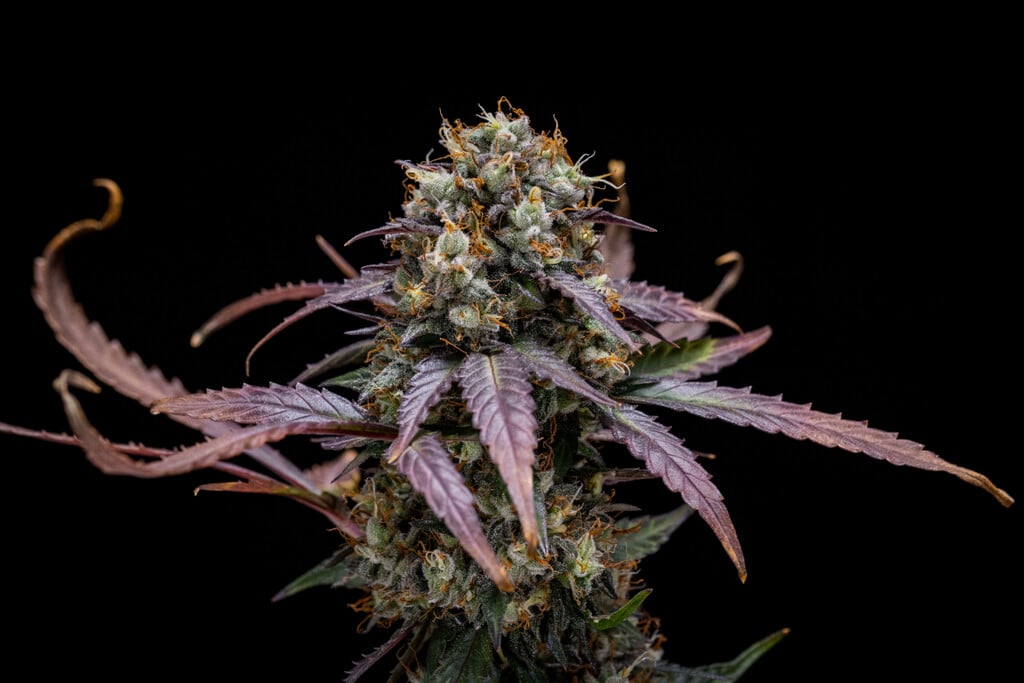
Want a realistic North Thunderfuck Auto week-by-week breakdown? Track stretch, flowering, and drying decisions from a real tent run, with notes on airflow, feed tweaks, and aroma.
I ran North Thunderfuck Auto to see how this high-THC autoflower behaves in a real tent, and how close it can get to its “up to 22% THC” reputation when conditions are dialled in.
This report pulls from real Grow Diaries data, written up in a practical, week-by-week format so you can track what happened, when it happened, and what I’d do the same (or differently) next time. Mid-run, I kept thinking how useful a North Thunderfuck Auto grow guide like this would have been for planning feed strength, training, and canopy control.
The full lifecycle came in at roughly 10–11 weeks from seed to harvest, with an indoor setup focused on stable temps, strong lighting, and steady airflow. I also leaned on organic nutrients for a gentler feeding approach and to support terpene development.
Free Indoor
Grow Guide

This run was built around a compact but controllable indoor environment, which is exactly what autoflowers benefit from when they’re on a fixed timeline.
Airflow was the backbone of the setup. I kept one oscillating fan moving air above the canopy and one lower down to prevent dead spots around the pots, while the extractor and carbon filter maintained steady negative pressure.
Light distance management was just as important. I adjusted the MIGRO 200+ incrementally as the plant grew, aiming for strong intensity without stressing an auto that doesn’t have time to recover from setbacks.
For week one, I sowed the seed directly into the final 11 L Air Pot filled with BioBizz Light-Mix to avoid transplant stress and keep early growth uninterrupted.
Lighting stayed on an 18/6 schedule, with the MIGRO 200+ set to roughly 40% power. I kept the fixture at around 35 cm above the seedling and watched for any signs of stretching or light stress, adjusting in small increments rather than making big changes.
The tent ran warm at about 28–30°C with humidity hovering near 60%, which helped maintain steady momentum through emergence and the first set of true leaves. In the middle of the week, I noted that seedling height was around 3–5 cm, with a compact, upright posture that suggested the light intensity and distance were in a good place.
Watering was deliberately light: small amounts in a tight ring around the stem, then a pause to let the top layer breathe. Leaf development looked clean and symmetrical, and the stem thickened noticeably by the end of the week, which felt like a strong start in terms of vigour and overall structure.
Weeks 2–4 are where North Thunderfuck Auto typically shifts from “just established” to properly building its frame. Growth speeds up, leaf size increases, and the plant starts setting the structure that will carry flowering sites later on. Getting the basics right here, steady light, a stable environment, and a measured approach to watering and feeding, tends to pay off for the rest of the run.
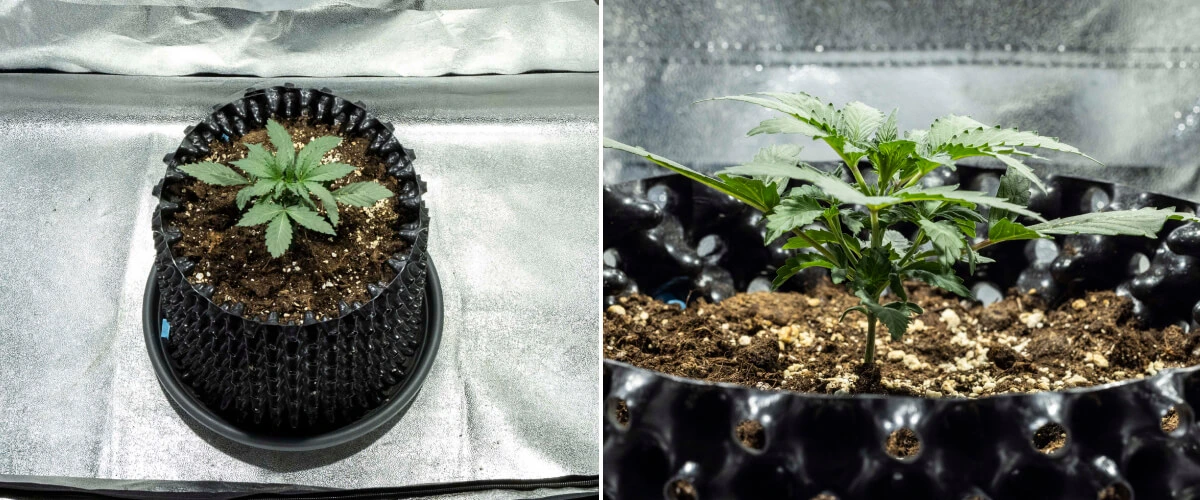
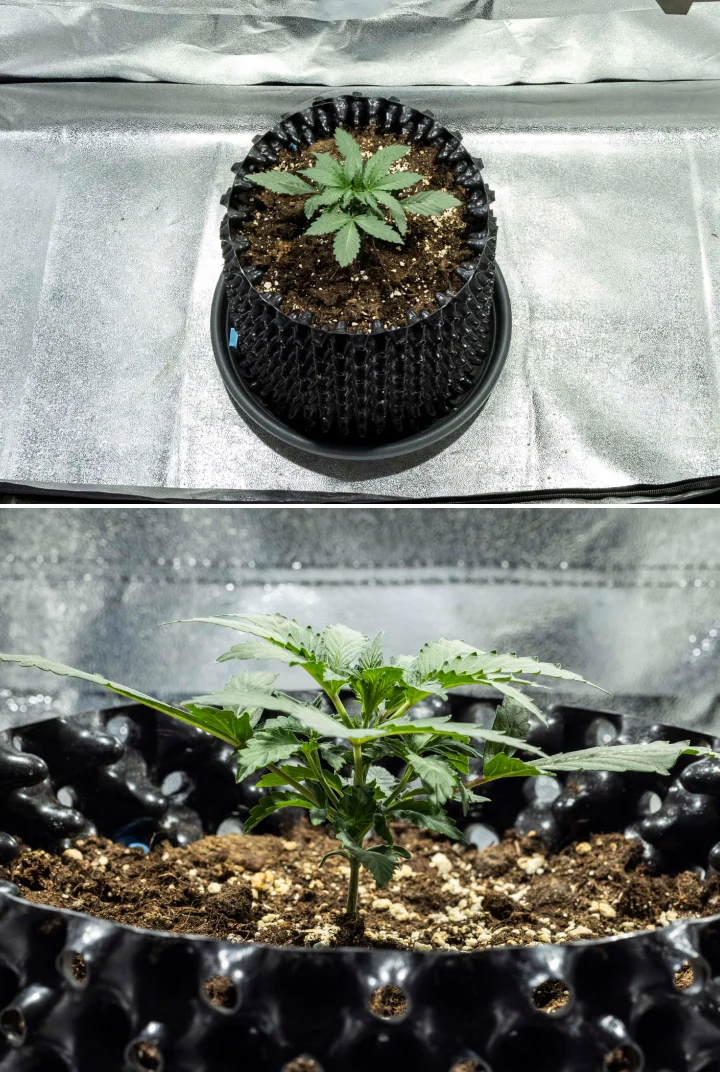
The 18/6 light schedule stayed consistent this week, but I nudged intensity up to around 50–60% to match the plant’s faster pace. Conditions remained on the warm side at roughly 28–30°C, with relative humidity sitting in the 55–60% range.
Feeding started gently, introducing BioGrow alongside a small dose of CalMag to support early vegetative development. Watering was kept simple and predictable at two sessions across the week, with enough time between irrigations for the medium to pull in oxygen rather than staying constantly damp.
Vertical growth was noticeably quicker, and by the end of week two, the plant was around 7–10 cm tall. Internodal spacing looked nicely controlled under the brighter light, suggesting the intensity increase was well-timed. Leaf development also stepped up a gear, with broader blades and a more vigorous, upright posture overall.
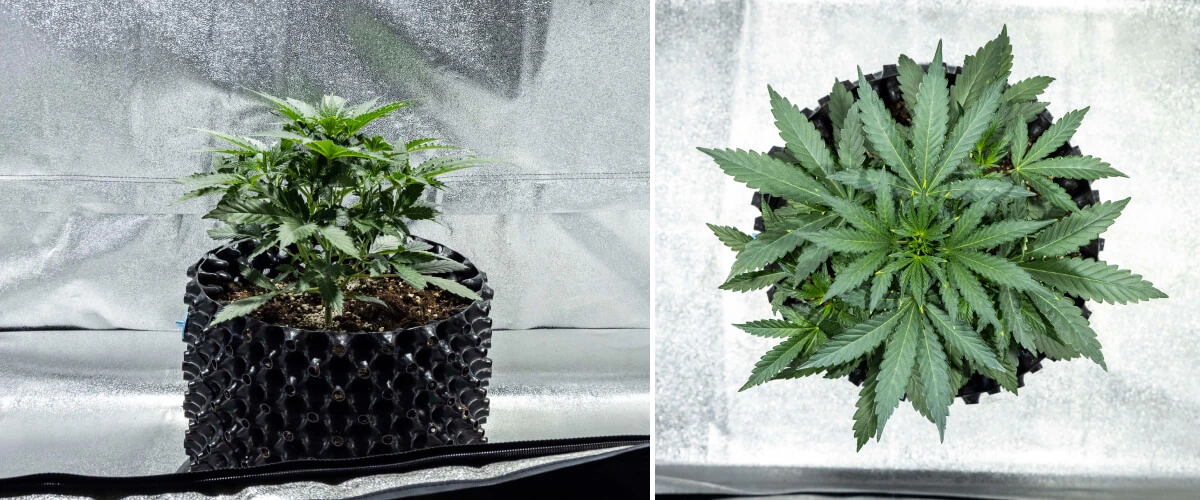
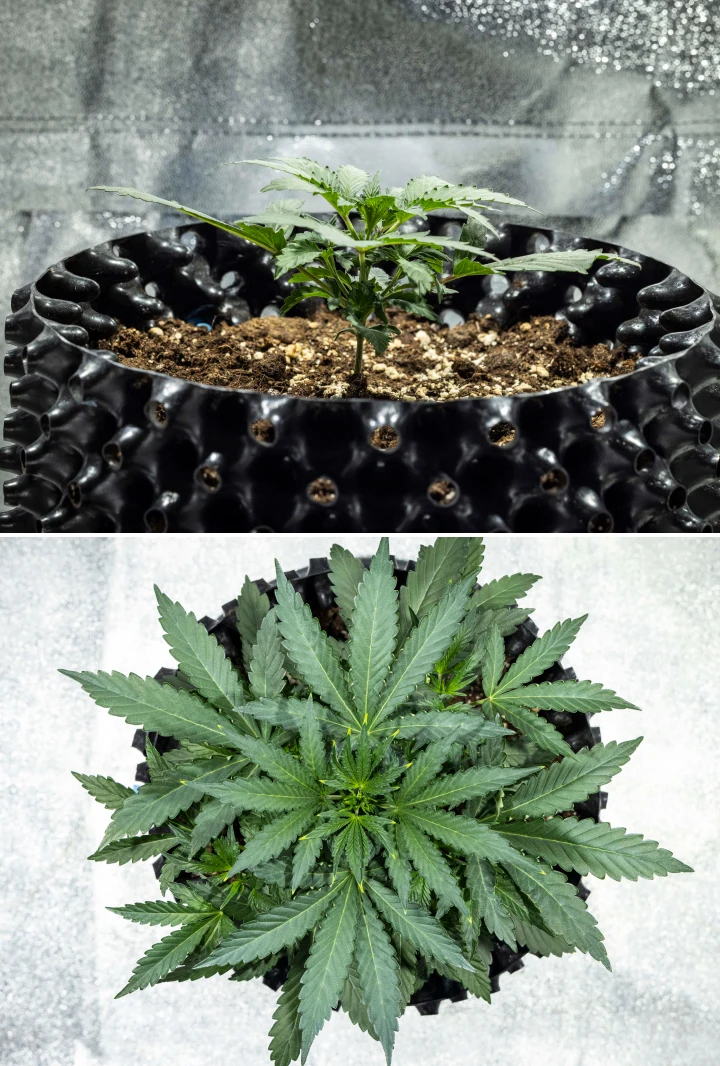
This was the week North Thunderfuck Auto started to look like a “real plant” rather than a seedling in a pot. I pushed the light a touch higher again, running at around 60%+ intensity, and increased the nutrient volume to match the uptick in growth and appetite.
The structure changed quickly. Instead of putting all its energy into upward stretch, the plant began throwing out strong lateral branching, with side shoots catching up and filling the canopy. Mid-week, I also noticed the first pre-flowers emerging, a clear sign the auto timetable was ticking along nicely.
By the end of week three, height was sitting around 15–20 cm, with a tidy, well-spaced framework that should make light penetration easier later on. When I brushed past the foliage, there were already subtle terpene hints, fresh citrus with a faint pine edge, which made the whole run feel like it was gathering momentum.
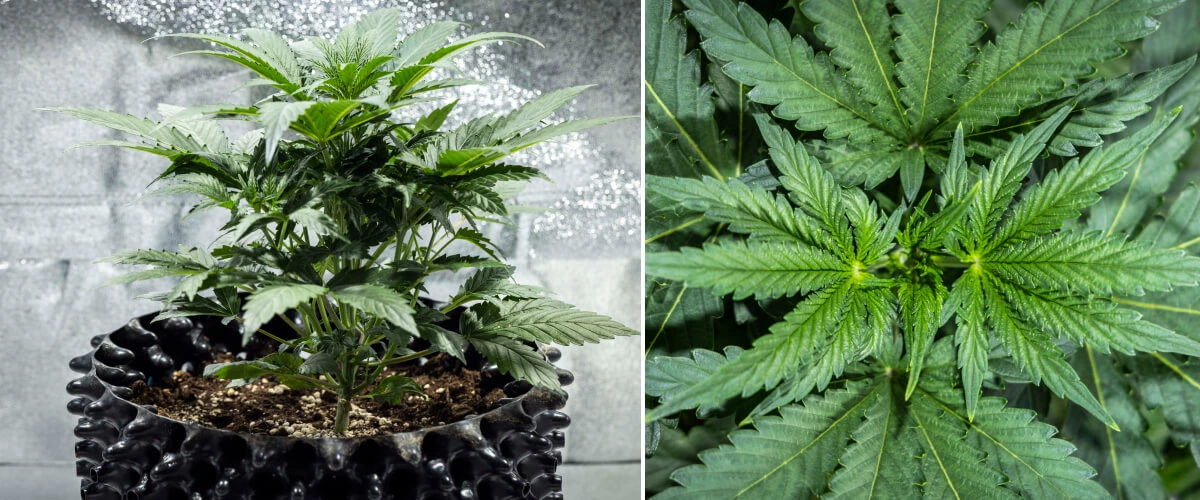
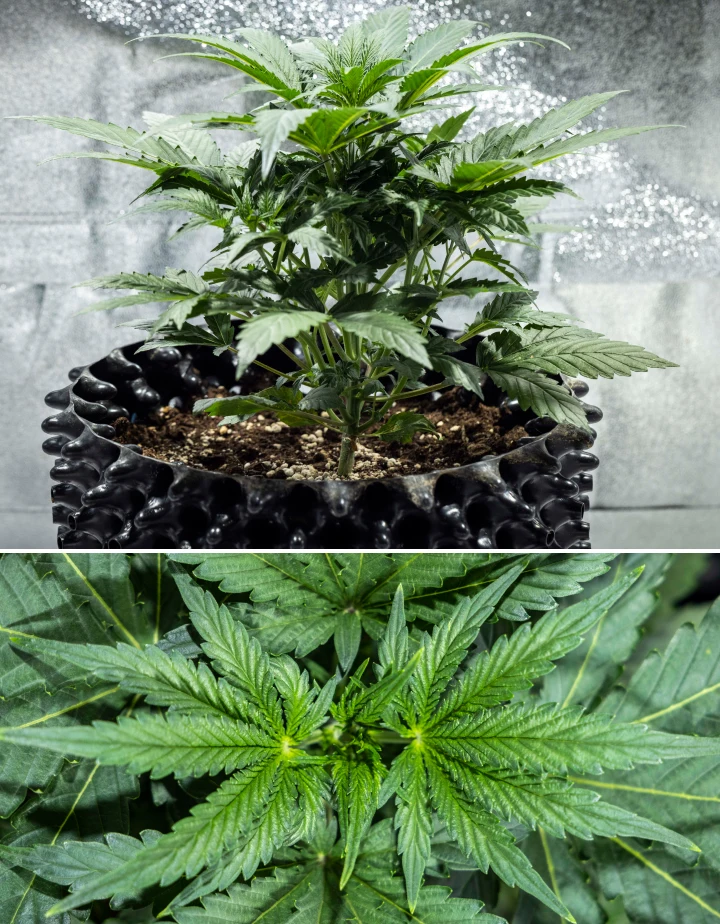
Week four felt like the handover from early veg into proper flower prep, with everything moving a bit faster day by day. I increased the light to around 80% intensity, and the plant responded immediately with a stronger, more upright posture and tighter top growth.
To keep pace, I also increased the watering volume, making sure the medium was being fully saturated and then allowed to dry back sensibly. Relative humidity came down slightly to roughly 50–55%, which helped the canopy feel a touch drier and more comfortable as foliage density built.
By the end of the week, height had jumped to around 30–40 cm, and pistils were clearly visible at multiple sites. The central cola dominance was starting to form, with the main top pulling ahead while the side branches held their own. There’s a definite anticipation of stretch now, and the structure looks ready to carry that next burst of growth without getting unruly.
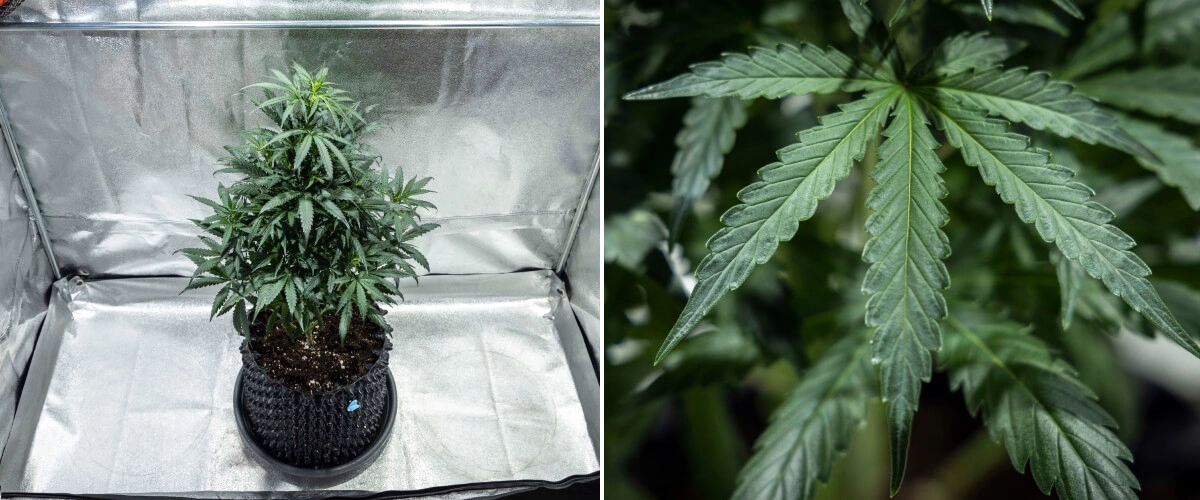
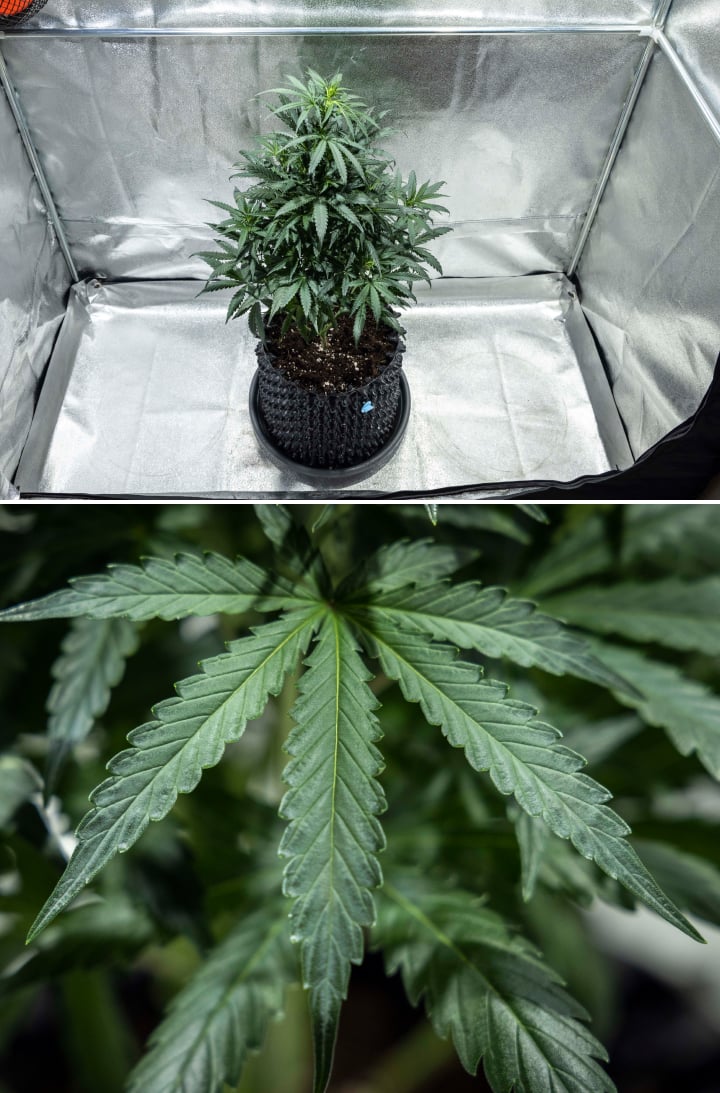
From week five onwards, North Thunderfuck Auto really settles into flowering, and the priorities shift from building structure to managing stretch, stacking buds, and keeping the environment stable. The canopy tends to thicken quickly at this point, so it’s worth staying on top of airflow, humidity, and light penetration while the plant transitions from fresh pistils to proper flower formation.
Across weeks 5–10, I focused on maintaining consistent lighting, tightening up humidity to reduce the risk of moisture sitting in dense foliage, and adjusting feed and watering volume in line with the plant’s changing demands. Small day-to-day observations matter here too, watching how fast the tops push, how the aroma develops, and how the buds start to swell helps guide the tweaks that keep flowering smooth and predictable.
Week five marked the real shift into flowering, and the feeding followed suit as I transitioned over to BioBloom. Almost immediately, the stretch phase kicked in, with the plant putting on noticeable height and reaching roughly 50–60 cm by the end of the week.
I dropped relative humidity again to around 45–50%, which felt like the right call as flower sites multiplied and the canopy started to pack in. New pistil clusters were popping up at the tops and along the side branches, and the main cola was becoming the clear focal point while the lowers tried to keep up.
There were a couple of small signs of environmental stress. Nothing dramatic, more the kind of minor clawing or slight leaf edge reaction that shows up when conditions change quickly. Keeping things steady over the next week felt more important than chasing extra speed, especially with the stretch still building.

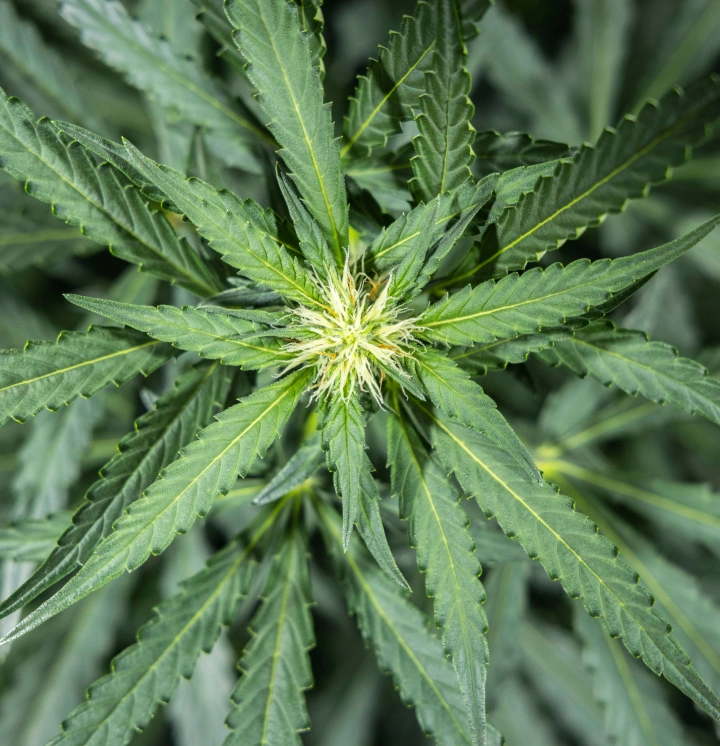
By week six, the stretch started to slow, and the plant’s energy clearly shifted into building flowers. Height levelled out around 65–75 cm, with less daily vertical movement but a lot more happening at the nodes as buds began to thicken and link up along the branches.
A noticeable jump in terpene intensity came through this week, especially citrus and pine notes with a skunkier edge when you brushed past the tops. Resin also became easy to spot, with early trichome coverage showing on the sugar leaves and around the developing calyxes.
I kept the feeding schedule stable rather than pushing extra nutrients, which helped maintain consistent colour and growth without introducing new variables. With the structure mostly set, the focus was simply on keeping conditions steady and ensuring good airflow through the now-busier canopy.
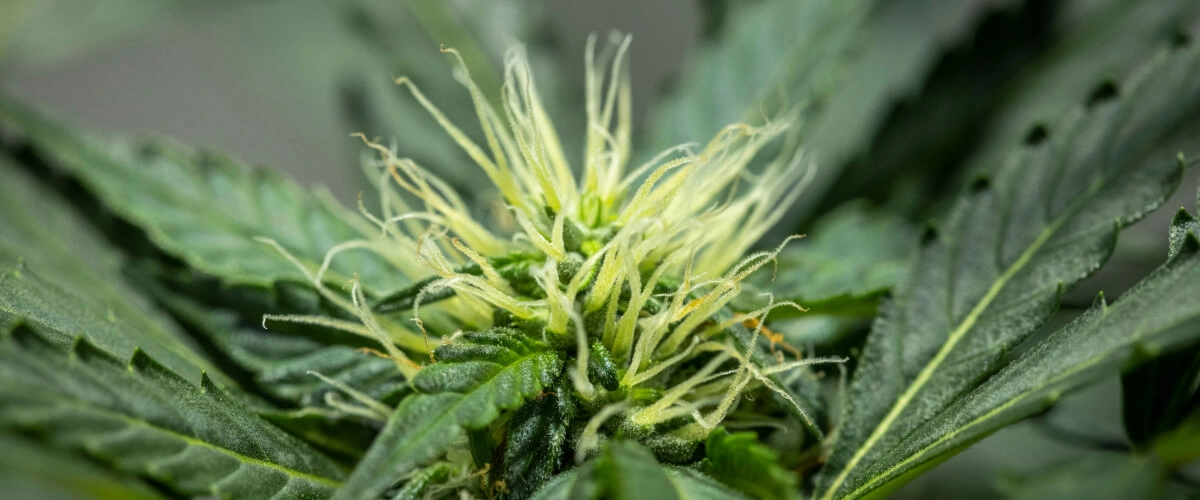
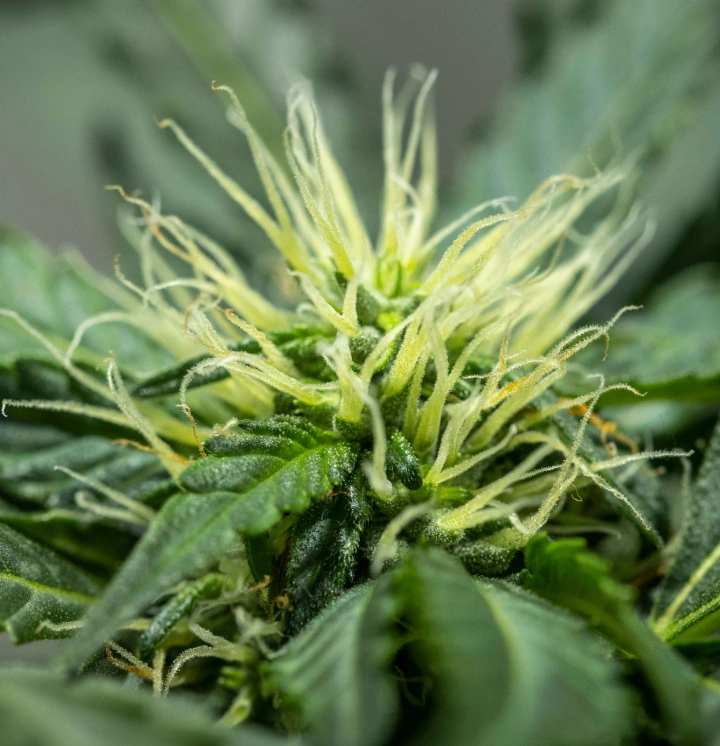
Weeks seven and eight were all about bulk, with bud stacking becoming the main story across the plant. Calyxes swelled day by day, and the flowers started to look more “finished”, building density and shape rather than adding much size to the frame.
The aroma development turned properly bold in this window. Each time the tent opened, the scent lingered longer, and handling the branches left that unmistakable sticky, fresh-resin feel on your fingers. Sugar leaves were noticeably tacky, with trichome coverage spreading beyond the buds and making the whole canopy look frosted under the light.
To keep mould risk down as the flowers tightened up, I held the relative humidity around 40%. That steadier, drier environment helped everything stay on track, and there were minimal issues to report, no major deficiencies, no big swings in growth, and no obvious pest pressure.
Structurally, the plant stayed stable under the LED, with branches holding their weight well and only needing light support as the tops thickened.
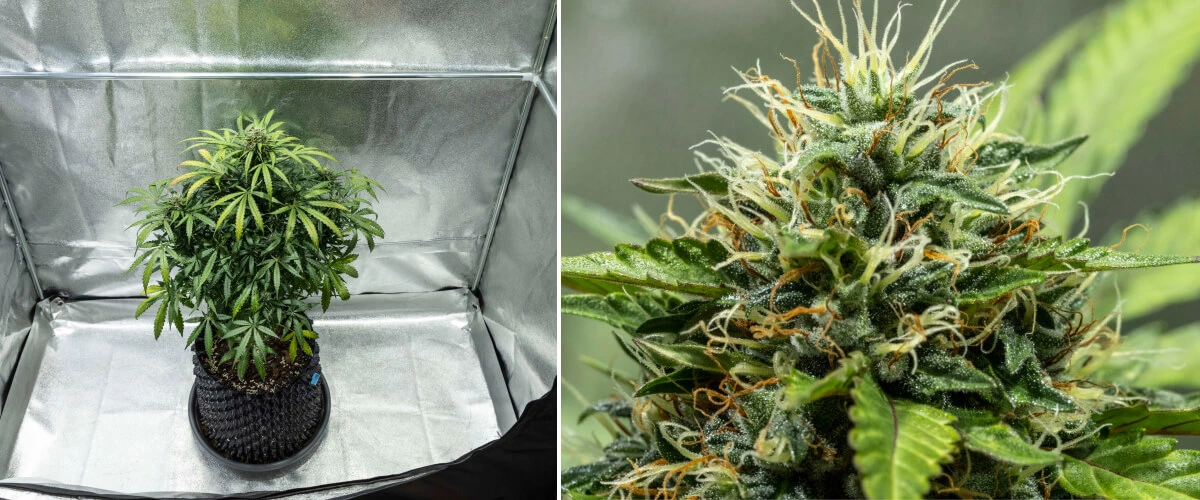
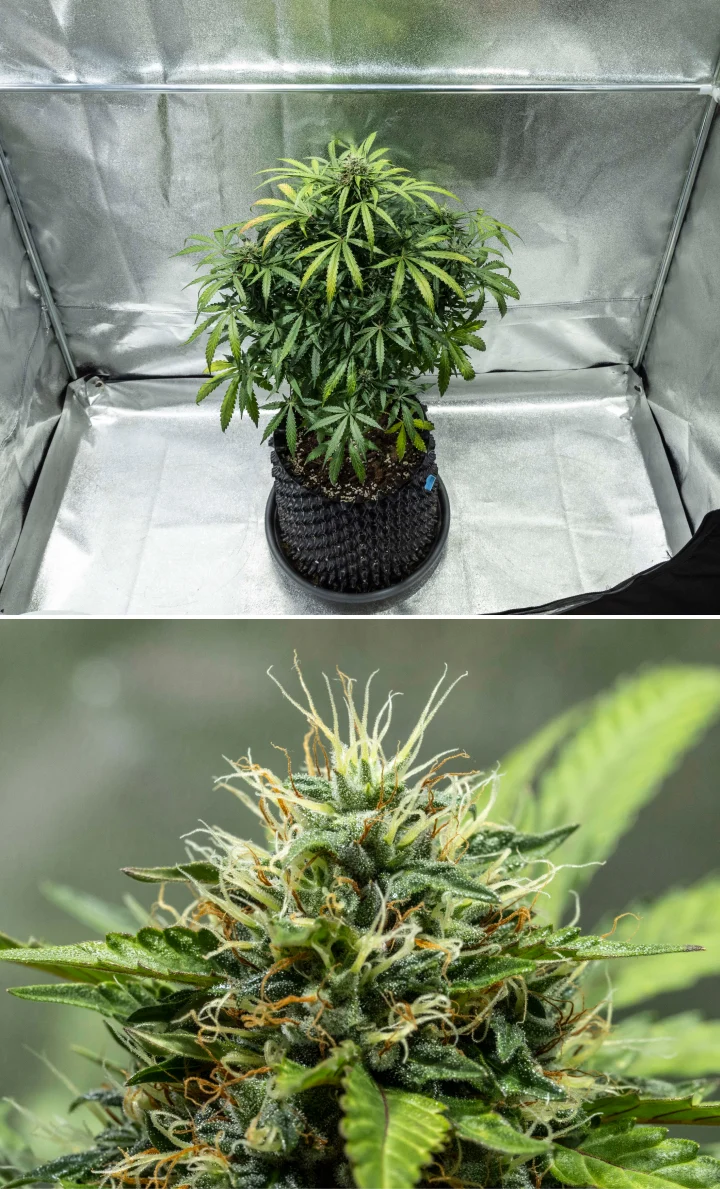
Weeks nine and ten felt like the wind-down, with the focus shifting from pushing growth to letting the plant finish cleanly. I started a nutrient flush and ran water only, keeping everything simple and consistent while the final ripening played out.
The fade on the fan leaves became more obvious as stored nutrients were used up, and the canopy gradually moved from healthy green to softer autumn tones. Rather than relying on the calendar alone, I kept checking trichome maturity and watching for that balance between mostly cloudy heads with a little amber starting to appear.
Aroma hit its peak around this stage, with the scent coming through strongest when the lights came on, and the buds warmed up. Harvest readiness was a mix of visual cues and patience. Once the flowers looked fully swollen and the resin had that mature, greasy sheen, it felt like the right moment to plan the chop.
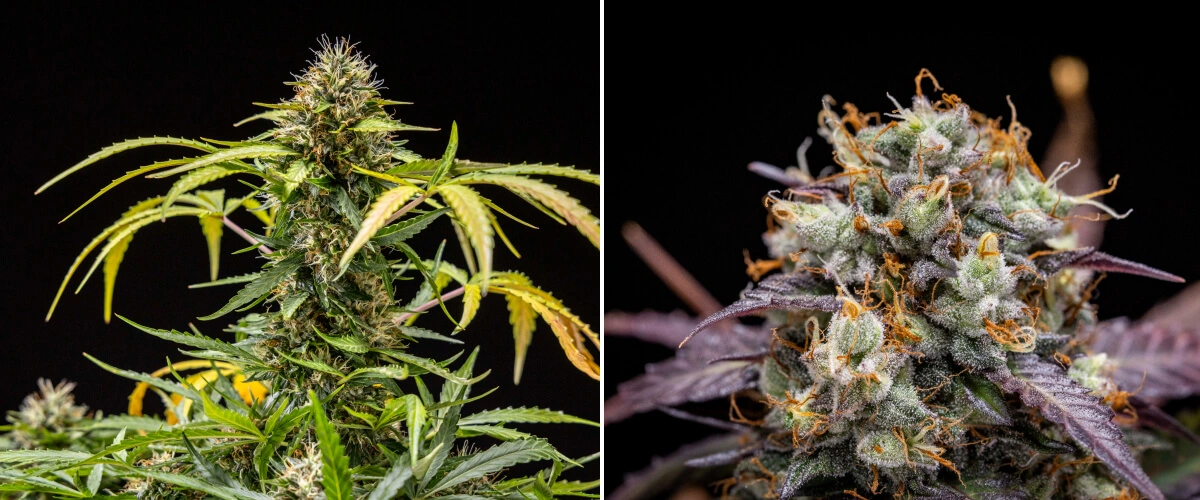
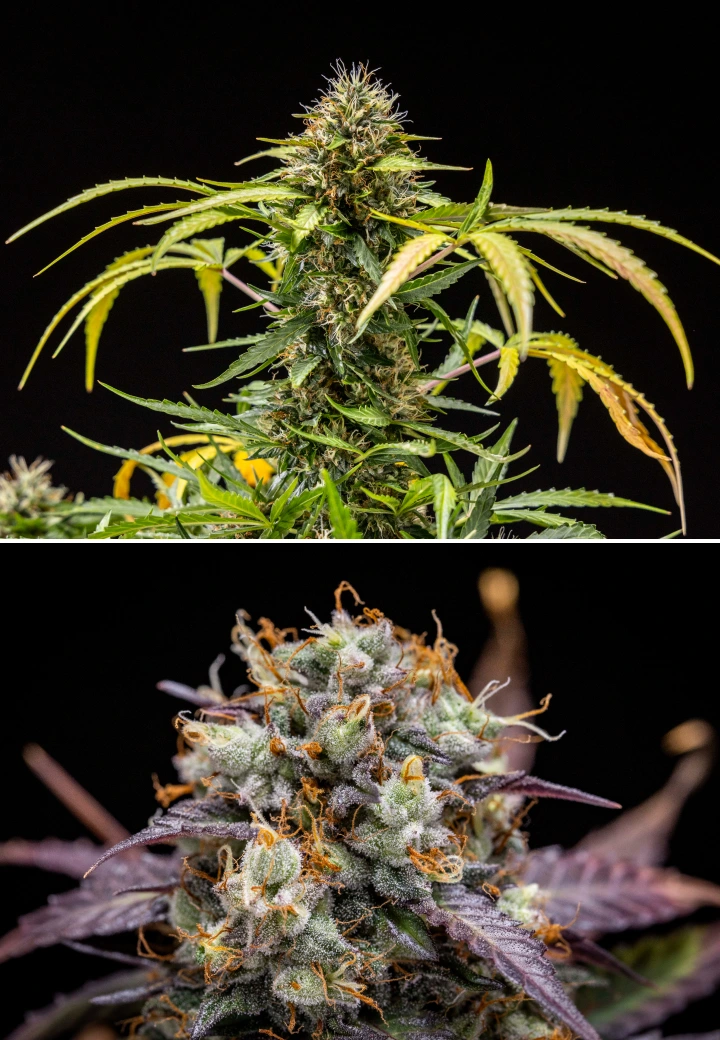
Once the plants looked ready, I cut them at the base and hung them upside down to dry. I kept the lights off throughout drying to reduce heat and protect aroma, then let them run for a full 15 days before trimming.
Rather than rushing it, I relied on the stem snap test to judge when they were properly dry: smaller stems started to crack instead of bending, while thicker branches still had a touch of give. That balance made it easier to trim cleanly without turning the buds brittle.
Final yield came in at roughly 53 g per plant. On paper, North Thunderfuck Auto can reach around 500–550 g/m² in the right indoor setup, so this run landed on the modest side, still a solid result for a straightforward grow.
After being jarred up, I planned a 4–6 week cure to smooth everything out. A quick early smoke test was uplifting, with citrus, pine, and skunk notes coming through clearly.
North Thunderfuck Auto is the kind of cultivar growers pick when they want big personality in a compact, time-efficient package. As an autoflower, it’s built to move from seed to harvest without relying on strict light schedules, which makes it a practical option for beginners and a handy choice for anyone juggling limited space or multiple runs.
What stands out most is the overall profile: lively, sharp aromatics that can lean towards citrus and pine with a skunky edge, paired with an experience many people describe as upbeat and clear-headed. Like any strain, the exact expression can vary depending on conditions and drying and curing, but it’s a good one to keep in mind if you’re looking for a punchy terpene presence and a satisfying, modern auto structure.
North Thunderfuck Auto pairs classic potency and flavour with modern convenience. It’s created by crossing North Thunderfuck with Ruderalis, giving the strain its autoflowering trait while keeping the character that made the original so memorable.
This is essentially an autoflowering adaptation of Matanuska Thunderfuck, bred to deliver a similar upbeat, sativa-leaning presence in a tighter timeframe. Thanks to the Ruderalis influence, the lifecycle is fast at around 10–11 weeks from seed to harvest, without relying on a change in light cycle.
In terms of strength, THC can reach up to 22% in good conditions. The breeding rationale is straightforward: preserve the energetic structure and loud terpene profile, while adding speed, resilience, and easier scheduling for growers.
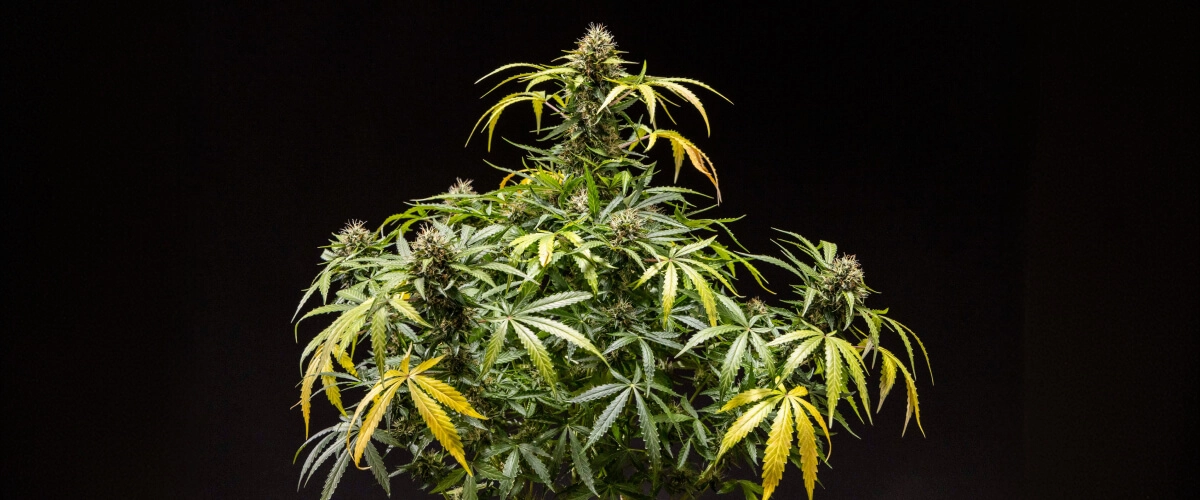
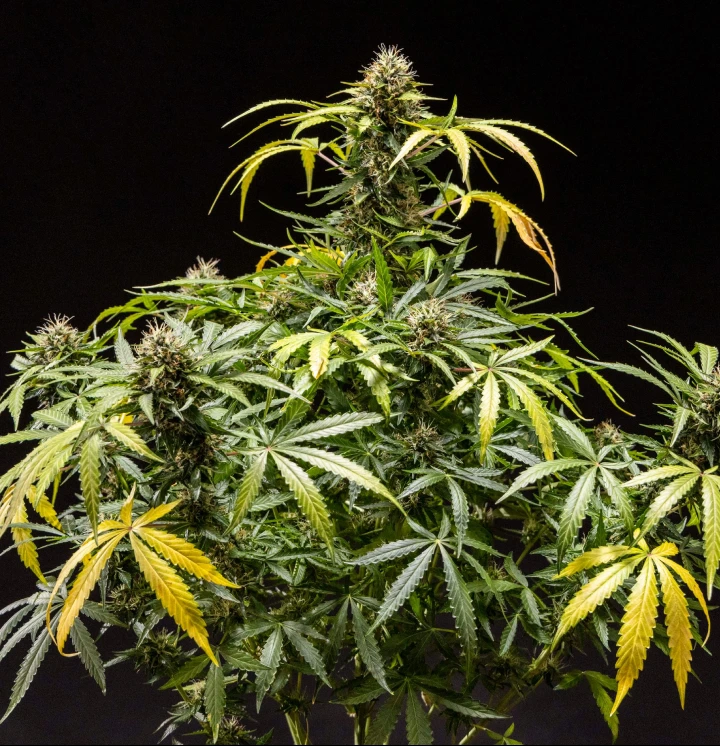
North Thunderfuck Auto stays manageable while still putting on plenty of growth. Indoors, plants typically reach 70–140 cm, making it a flexible option for tents where headroom is limited but you still want a full canopy.
Outside, it can stretch a little more, topping out at up to 150 cm in favourable conditions. Yields are competitive for an auto, with indoor harvests around 500–550 g/m² and outdoor returns in the region of 140–180 g/plant when the basics are dialled in.
This cultivar responds well to LST, which helps keep the structure open and light penetration even. Feeding is usually straightforward thanks to a moderate nutrient appetite, and it’s well-suited to organic approaches where steady, gentle inputs support consistent development.
North Thunderfuck Auto sits at the stronger end of the autoflower spectrum, with THC levels that can reach around 22%. Compared to many average autos, that extra potency tends to translate into a more immediate, more pronounced lift, so a measured approach is sensible, especially for those with a lower tolerance.
The high is typically fast-acting and cerebral, leaning towards an energising, uplifting profile that suits daytime use when you want to stay switched on. Alongside THC, the idea of an entourage effect is worth keeping in mind, as the overall experience is shaped by the interplay between cannabinoids and the strain’s terpenes rather than one compound alone.
On the flavour side, expect a sharp citrus edge layered over pine and a skunky funk, giving each draw a bright start and a lingering, classic finish.