Amount exceeded


4.7 out of 5 based on 60167 reviews




















4.7 out of 5 based on 60167 reviews
.

Crop steering swaps calendar-based growing for decisions driven by data. Across trials at CRIC Labs, RQS uses irrigation, climate, and light as signals to steer cannabis toward vegetative bulk or heavy flower, and shows where the method pays off and where it doesn't.
Key Takeaways
Contents:
In the trials conducted by Grodan at CRIC Labs in collaboration with Royal Queen Seeds, the same idea comes through: the grower sets the agenda, not the plant. Crop steering is a data-driven approach to cultivation that uses precise control over irrigation, light, and climate to guide cannabis through each growth phase, shifting the plant's hormonal balance to influence height and nudge it toward more structure or more flower on demand. Across our plant spacing case studies and our coco vs rockwool work, it has turned growing from a reactive habit into a deliberate, measured practice.
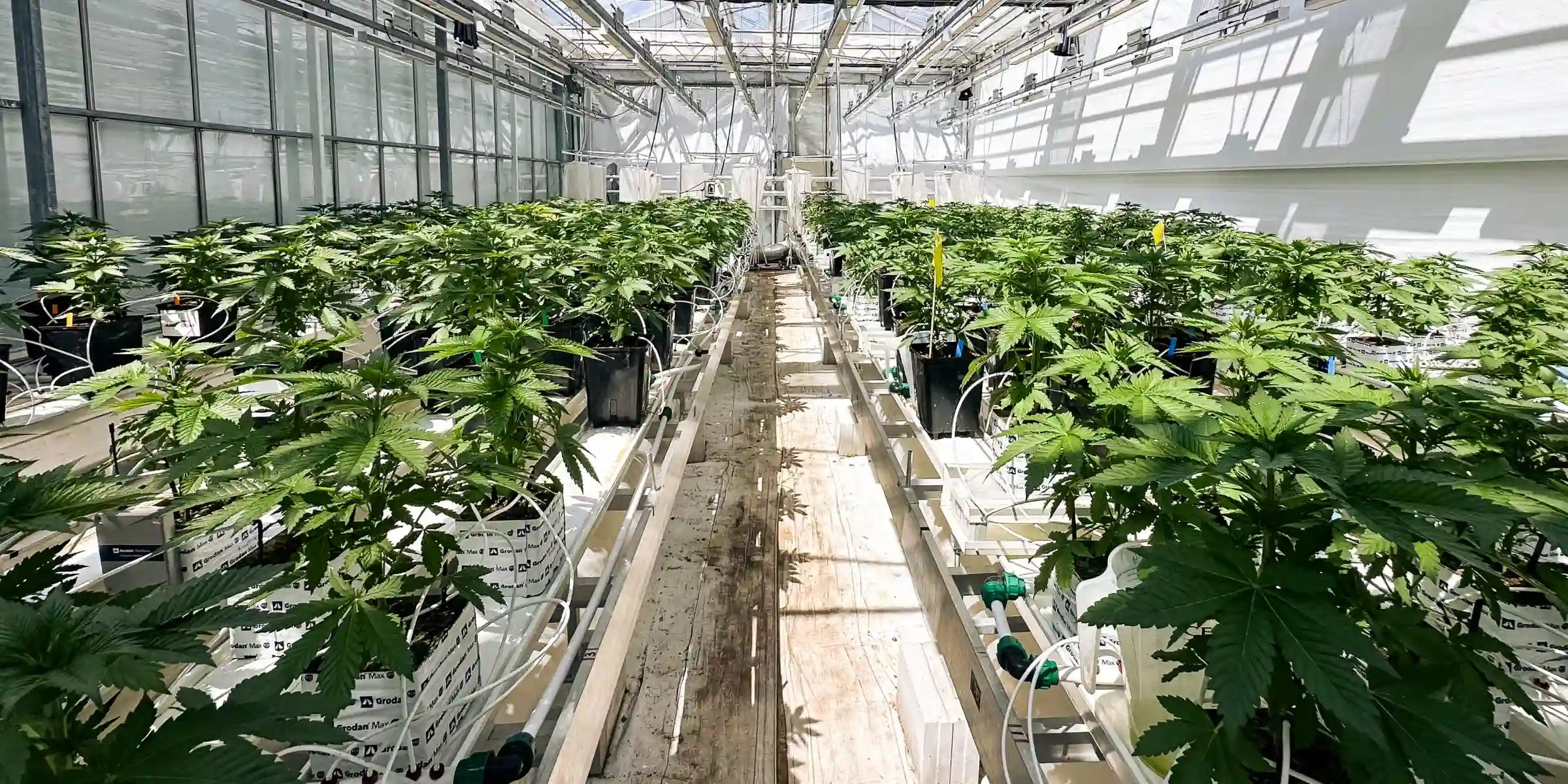
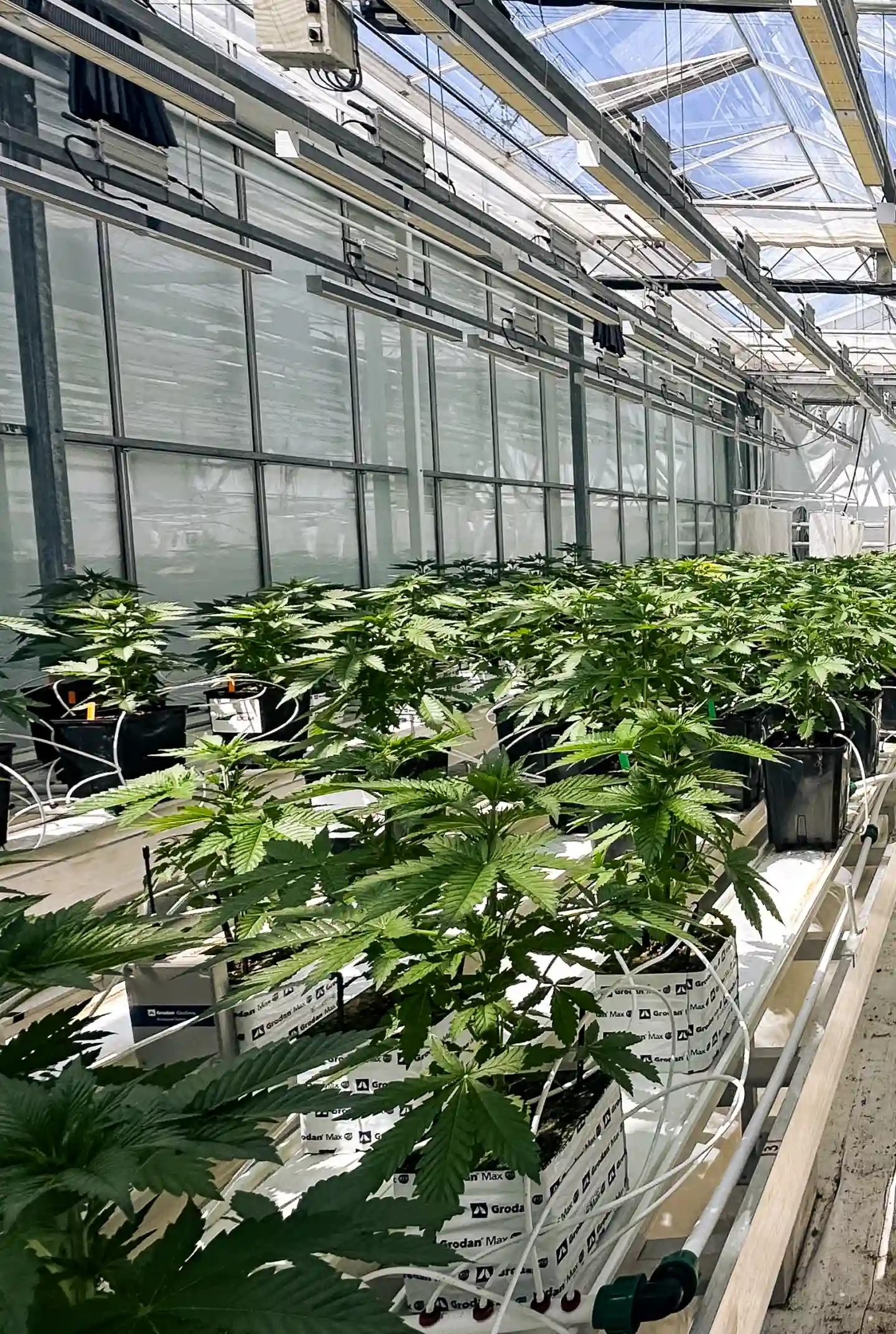
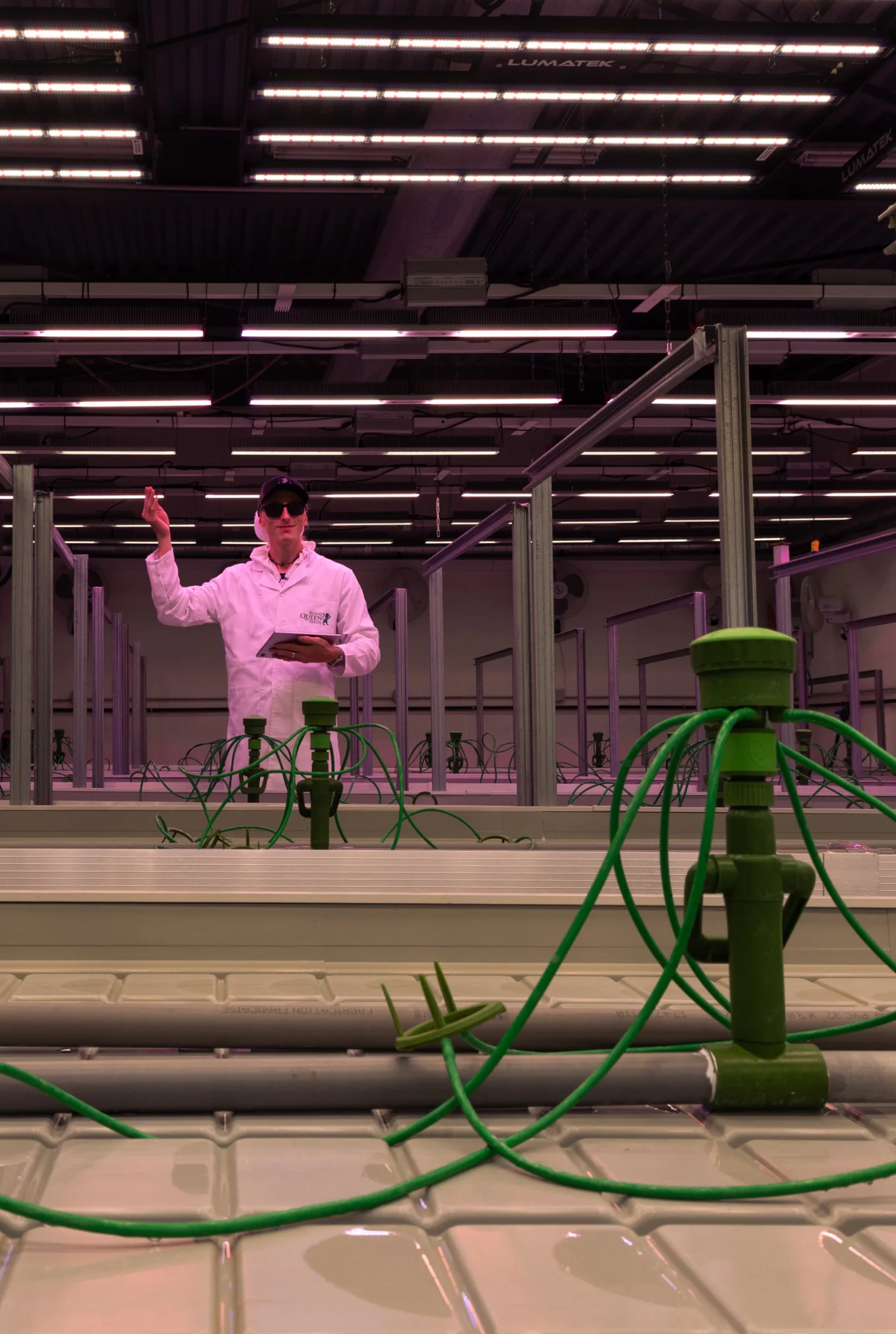
Long before it reached cannabis, this approach grew up in commercial greenhouses, where tomato and pepper producers needed every plant under one roof to behave the same way. Hydroponic systems and high-value crops rewarded precision cultivation, because tighter control over the root zone and climate meant more predictable harvests and standardized production. The same logic now drives controlled cultivation of cannabis in indoor rooms, greenhouses, and heavily monitored facilities such as CRIC Labs and Vertify, alongside partners such as Bioleaf and Innexo. Automation is what carried the technique into the mainstream: once sensors, dosing pumps, and climate controllers could log and adjust conditions around the clock, growers could steer crops on data rather than intuition. Our Cannabis Conversations and trials at Bioleaf trace that shift in detail.
Growers who steer crops tend to describe plants as leaning one of two ways. Vegetative growth is the plant investing in itself: roots reaching deeper, stems thickening, leaves multiplying, and the canopy filling out. It is the phase of vigor and structural development, when a plant builds the frame that everything else will hang from. Generative growth is the opposite pull, toward reproduction: flower sites forming, buds swelling, resin developing, and the plant channeling its energy into maturation and final yield rather than new green matter.
The distinction matters, but the two are rarely fully separate. A plant is almost always doing some of both at once, and vegetative and generative growth sit on a sliding scale rather than in two boxes. Crop steering is the practice of tilting that balance on purpose. Push conditions one way and you encourage vegetative steering, with lush, expansive growth; push them the other and you favor generative steering, reining in stretch and directing resources into flower.
For cannabis, that lever is most useful at the transition from structural growth into flowering, where it shapes not just how much you harvest but the density and quality of what you cut.
.webp "Vegetative vs Flowering Cannabis Growth")
.webp "Vegetative vs Flowering Cannabis Growth")
Crop steering rests on three levers, and the trials conducted at CRIC Labs examine these factors together rather than in isolation. The first is irrigation and the root zone, the second is climate, and the third is light.
None of them works alone: an irrigation change means little if the climate contradicts it, and a lighting strategy falls flat without the water and root-zone conditions to support it. Read as a system, they let you guide a crop without forcing it.
Some trials conducted at CRIC Labs exist to measure this pillar alone. Watering frequency, shot size, drain behavior, and the moisture held in the medium all feed back into how a plant grows. Small, frequent shots that keep substrate moisture steady tend to hold a plant in a vegetative frame, encouraging leafy, structural development.
Let the medium dry down between waterings and the signal changes. A controlled dryback, paired with adjusted irrigation timing, nudges plants toward generative growth, though the response depends on cultivar, substrate, stage, and the wider setup. In our trial comparing Plant Maintenance against Overnight Dryback, we tested that lever directly, and the rockwool choice and irrigation trial conducted at CRIC Labs tracked the same effect on yield and potency.
One point matters most: a dryback is a measured signal, not punishment. An irrigation strategy built on tracked moisture and EC steers a plant; guesswork just dries it out.
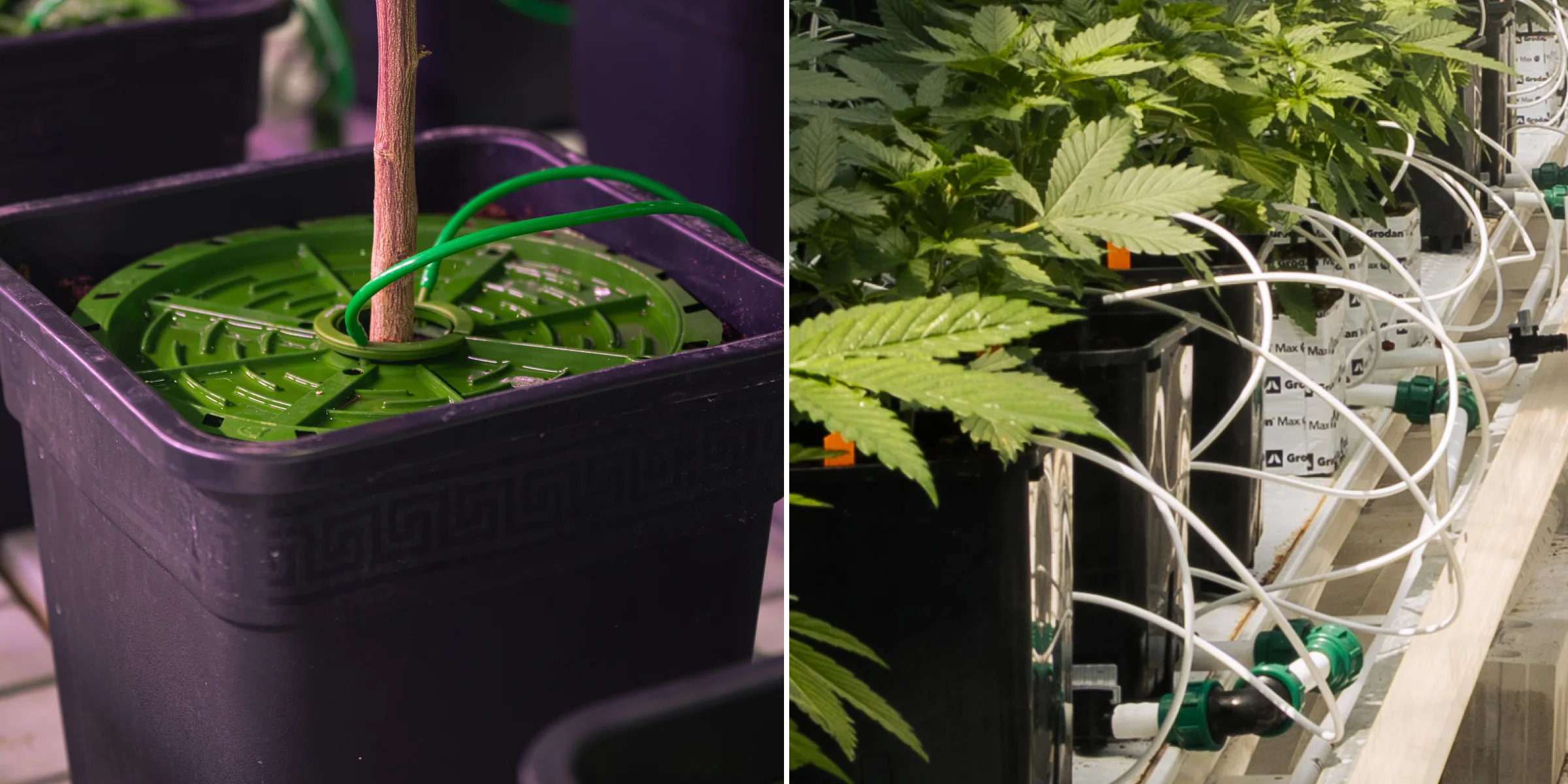
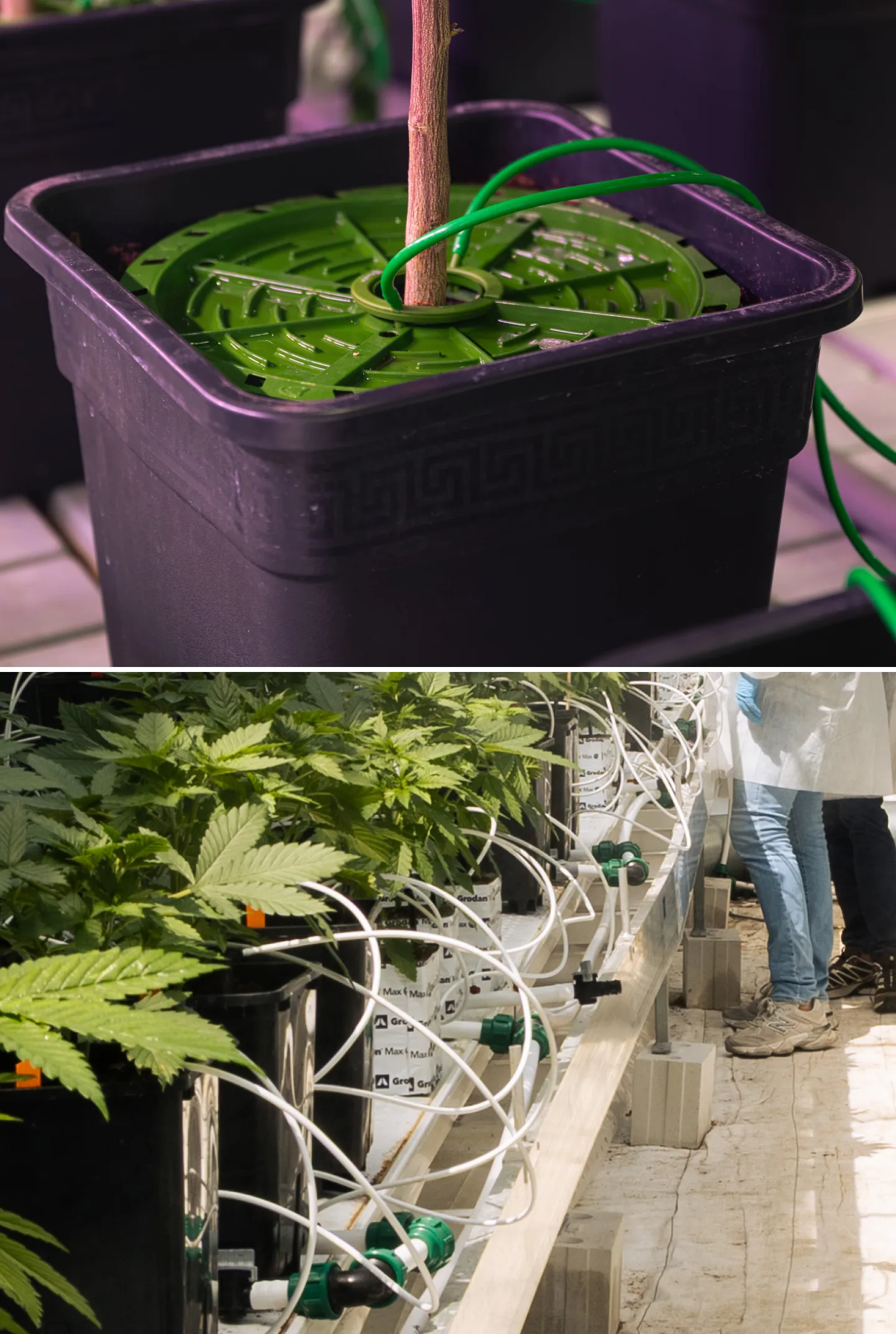
Climate is the second lever, and the plant reads it as a set of signals through its leaves. Temperature, humidity, airflow, and the shift between day and night all shape a plant's rhythm: how fast it transpires, how water moves up from the root zone, and how active it is hour to hour. Warmer, more humid air keeps plants relaxed and growing lushly; cooler, drier air raises water demand and leans them toward generative behavior.
Growers track this through VPD, or vapor pressure deficit, which reads air temperature and humidity together to gauge how hard a plant is working to move water. Treat it as a useful indicator rather than a magic number, since it only makes sense alongside plant health, irrigation, substrate, and growth stage. In the CRIC Labs trials we also keep CO₂ steady, because enriched air changes how a plant uses every other input we adjust.
.webp "Cannabis Crop Steering Climate Sensors")
.webp "Cannabis Crop Steering Climate Sensors")
Light is the third lever, and it sets the pace for what the plant does with water and nutrients. Intensity, daily duration, uniformity across the canopy, and how deep the light reaches into the lower branches all shape how much energy a plant can put to work. Push intensity up and a well-fed plant can carry heavier flower; let it fall and growth slows to match.
For cannabis, the light schedule carries extra weight in photoperiod plants, where the change in day length is the trigger that flips a crop into flowering. That can make crop steering look like little more than flipping the lights, but the light cycle only delivers when irrigation, climate, nutrition, and substrate back it up. In our trials we run up to 1,000 µmol·m⁻²·s⁻¹ of PPFD, matched to feeding and climate so the canopy can actually use it.
_2.webp "Cannabis Crop Steering Lighting")
.webp "Cannabis Crop Steering Lighting")
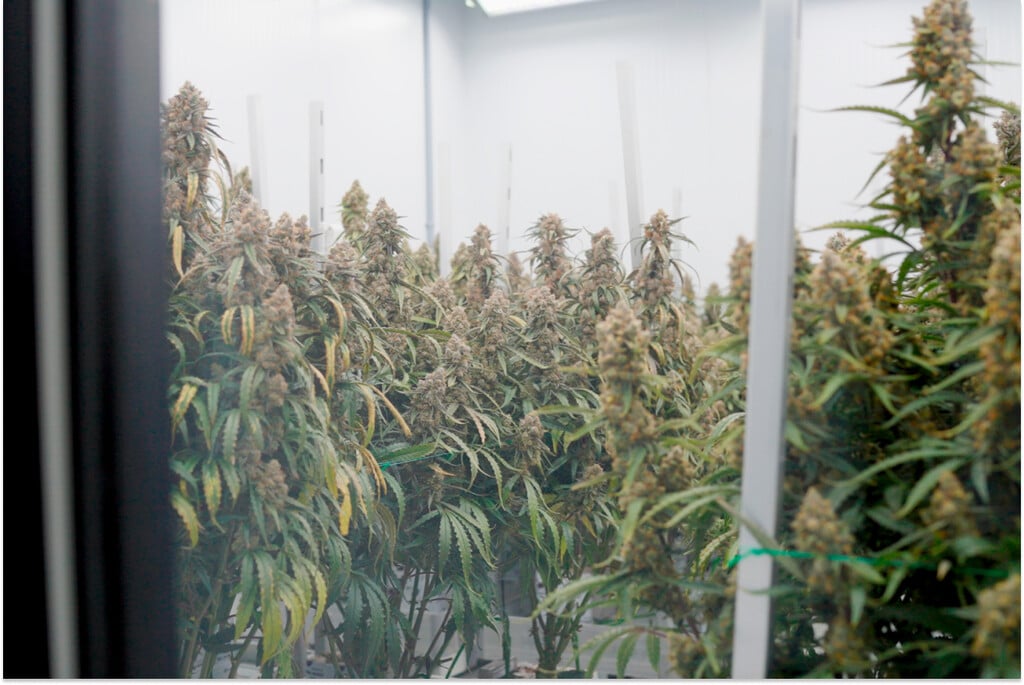
The payoff shows up at harvest. In controlled autoflower trials at CRIC Labs, tightly steered crops have pushed past 59 oz/yd² of dried flower in roughly 70 days, a result that only holds when every input is controlled and repeatable. That is the commercial case for cannabis crop steering: more consistency from one run to the next, firmer control over plant structure, more predictable flowering, and better use of the water and nutrients you pay for.
It works because indoor cannabis is already grown in controlled environments, where light, irrigation, humidity, temperature, substrate, and feeding can each be dialed in and logged. Coco coir and rockwool matter here, because they let growers track root-zone water content and EC precisely enough to steer on. Steering turns those dials into deliberate decisions backed by data rather than calendar habit.
One caveat carries real weight. Genetics do not all respond the same way, and a protocol that produces a stunning result in one room, substrate, or climate can fall short with a different cultivar or setup. The strategy travels between grows; the exact recipe usually does not.
The choice of the word steering matters here. A dryback or a cooler night is a signal, not a stress test, and the difference is measurement. Applied with sensors and a clear target, a controlled deficit tells a plant to shift its priorities; applied blind, the same deficit just damages roots and stalls growth.
The working method is simple to state and harder to master: apply a signal, watch how the plant answers, then adjust. The goal is never to force a plant into line, but to understand what it is being told and how it responds, cultivar by cultivar. Stress without a reading behind it is the fastest route to patchy growth, lighter harvests, and results you cannot repeat next cycle.
Everything worthwhile in steering depends on knowing why you changed a setting, not just that you changed it.
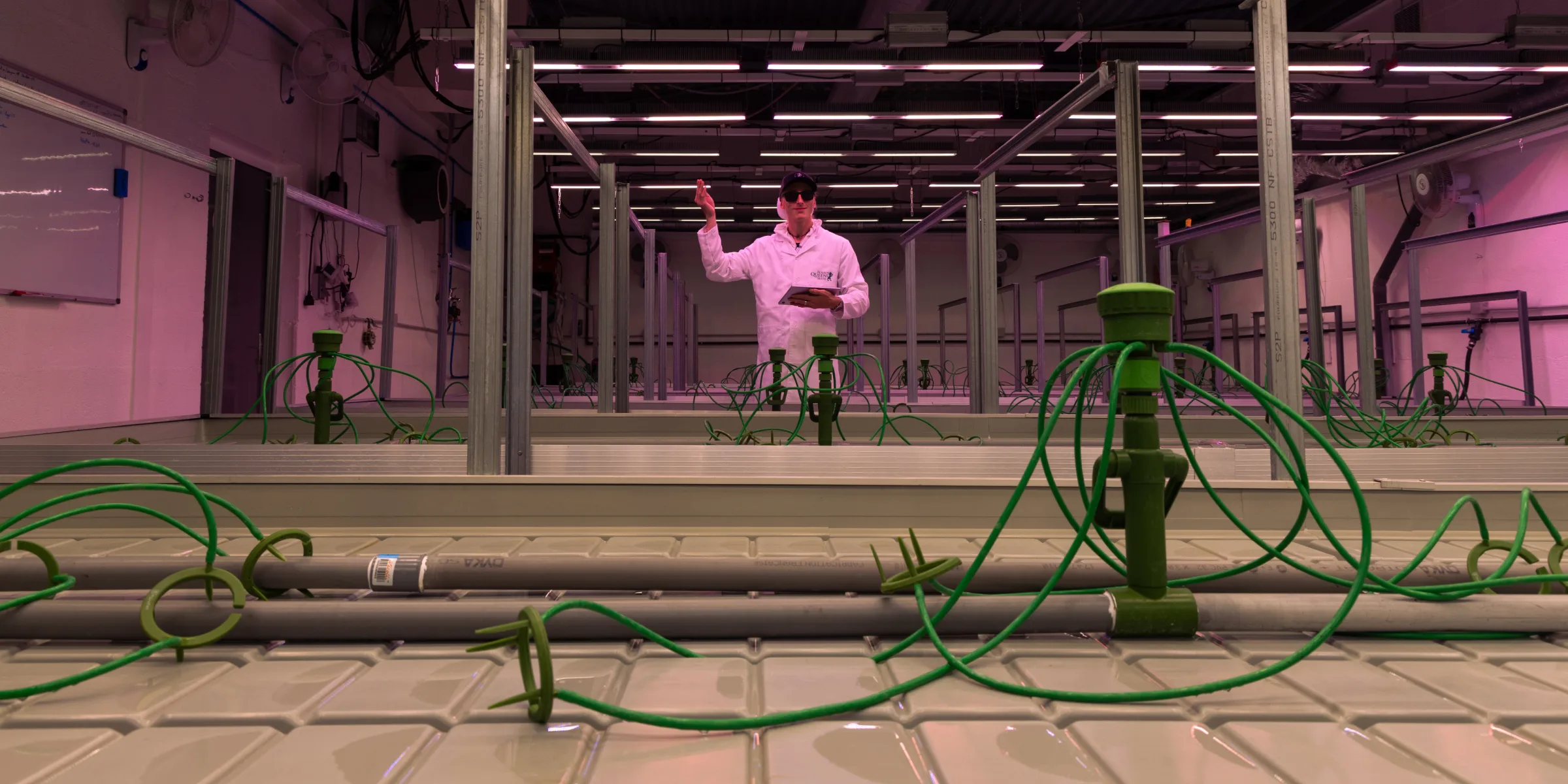
Honestly, not yet for everyone. Steering rewards growers who already have the fundamentals steady: reliable watering, a handle on climate and feeding, an understanding of how their substrate behaves, sound light management, and pest prevention that keeps plants healthy in the first place. Without that base, adjusting drybacks or VPD adds variables faster than it adds control.
Once the basics are stable and the environment is genuinely controllable, steering becomes a way to refine rather than a way to rescue. It belongs most naturally to advanced indoor growing and to professional or commercial rooms, where consistency and repeatability translate straight into margin and where every decision benefits from data. For a first or second grow, the better investment is mastering the environment itself. The steering can wait until you can hold conditions steady enough to read what a change actually does.
Across every trial at CRIC Labs, the same lesson repeats: growing by the calendar gives way to growing by what the plant is telling you. Crop steering pulls irrigation, climate, and light together, then leans on data and close observation to tilt a crop toward structure or toward flower at the right moment.
Steering is not a shortcut, though, and it will not rescue weak genetics or a poorly controlled room, nor does it promise a bigger harvest on its own. What it offers is a more intentional, measured way to grow, one where every adjustment is a deliberate signal you can read, repeat, and refine from one cycle to the next.