Amount exceeded


4.7 out of 5 based on 60193 reviews




















4.7 out of 5 based on 60193 reviews
.

Turn your cannabis herbs into a simple skincare project, from clean prep and measured ingredients to choosing between a roller bottle and soft cannabis salve.
Key Takeaways
Contents:
Cannabis topicals bring the herb into a different part of home care: skin, muscles, and massage rather than smoking, vaping, or edibles. Applied directly to the skin, a cannabis topical is commonly used for targeted relief, soothing sore areas, relaxed massages, and simple cannabis skincare routines.
Unlike inhaled or edible cannabis, topicals generally do not produce psychoactive effects, as cannabinoids are not absorbed into the bloodstream in the same way. This guide is for educational purposes only, so seek qualified advice if you have a skin condition, use medication, or feel unsure.
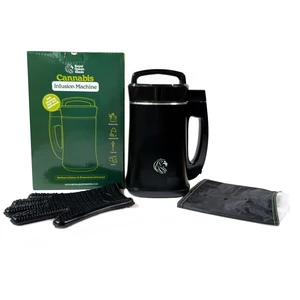
Using a cannabis infusion machine, you’ll make a lightweight cannabis-infused roller oil and a richer cannabis-infused balm with beeswax.
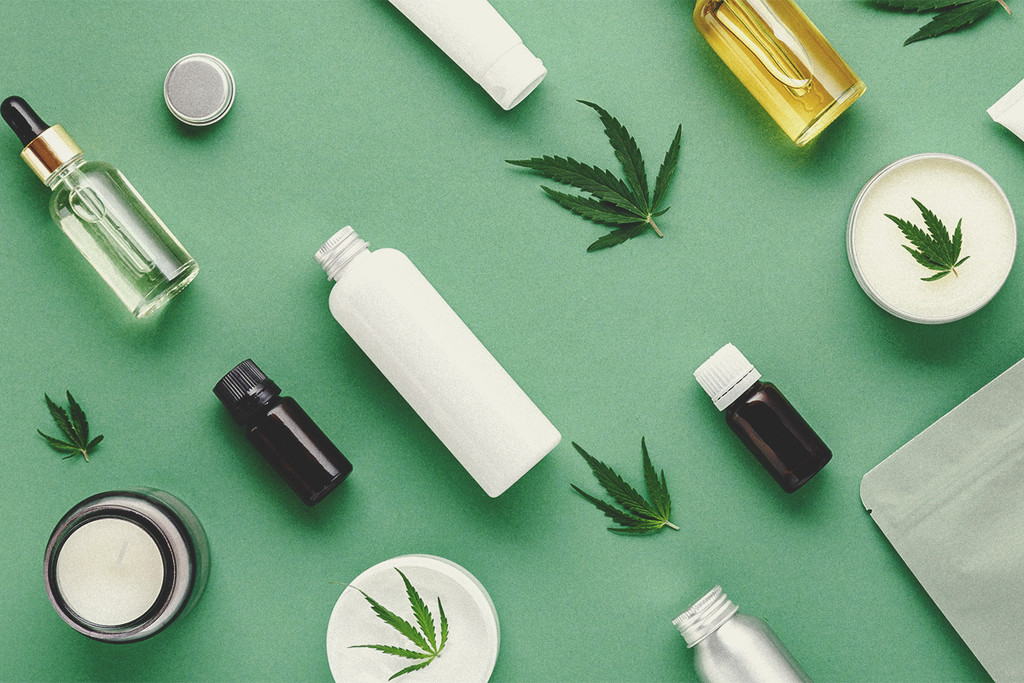
Cannabis-infused oils, balms, and salves are preparations made for external use on the skin. Instead of being eaten or inhaled, they are rubbed onto a specific area, where the carrier oil, waxes, cannabinoids, and aromatic terpenes work together in the finished texture.
Many growers and cannabis enthusiasts make a DIY cannabis topical for massage, dry skin, post-workout care, or areas that feel tight, tender, or overworked. Some prefer a CBD topical for a non-intoxicating routine, while others use balanced flower depending on local laws and personal preference.
The method is more approachable than it sounds. With clean jars, measured ingredients, and the right infusion equipment, you can make a smooth cannabis salve or oil at home without specialist lab skills.
The base of this recipe is a blend of olive oil and sweet almond oil. Olive oil gives the topical a richer, more nourishing feel, while sweet almond oil keeps the texture lighter and easier to massage into the skin.
For this recipe, use aloe vera oil rather than aloe vera gel. Aloe vera gel is water-based, so it does not mix properly into a simple oil or beeswax balm without an emulsifier and preservative. Aloe vera oil, on the other hand, fits naturally into an oil-based topical and helps keep the formula simple.
This gives you around 300 g of infused oil before straining. Some volume will be lost during straining, especially if the cannabis absorbs part of the oil.
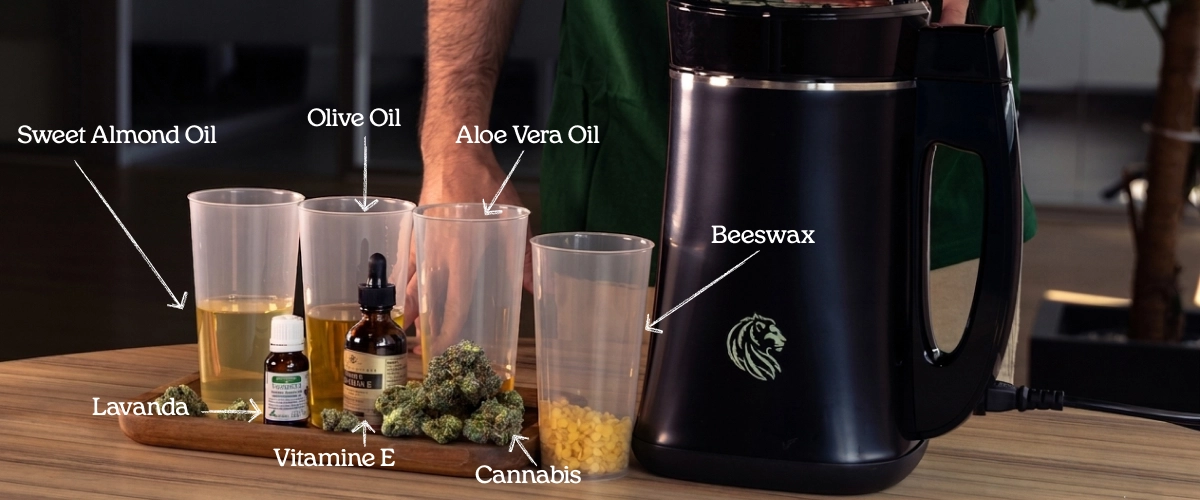
_2.webp "Biostimulants for Cannabis: Boost Growth & Yield")
Clean equipment makes the whole process smoother, especially if you plan to store the finished oil for several weeks. Wash and dry your jars, roller bottles, funnel, strainer, and any utensils before you begin. Because this is an oil-based preparation, make sure everything is completely dry before it touches the oil.
Use properly dried cannabis flower and break it into small pieces by hand. Do not grind it into a fine powder, as this can make the finished oil harder to strain and may leave more sediment in the final product.
If your infusion machine includes a decarboxylation setting, follow the manufacturer’s instructions. If not, decarb the cannabis separately before adding it to the oil. Decarboxylation is commonly used before cannabis oil infusion because it helps convert cannabinoid acids into their active forms before they are extracted into the fat-based carrier oils.
Add the olive oil, sweet almond oil, and aloe vera oil to the bowl of the infusion machine. Stir gently so the oils combine, then add the prepared cannabis flower.
Make sure the plant material is fully covered by the oil. If your machine has minimum and maximum fill lines, stay within them. The recipe can be scaled up or down, but keep the same proportions between oil, cannabis, vitamin E, and beeswax.
_2.webp "Preparing Cannabis and Oils for Infusion")
_2.webp "Preparing Cannabis and Oils for Infusion")
Secure the lid firmly and select the oil programme on your infusion machine. Let the machine control the time and temperature according to the manufacturer’s instructions.
Low, steady heat is better than aggressive heat. The aim is to extract cannabinoids and aromatic compounds into the oil without scorching the herbs or damaging the carrier oils.
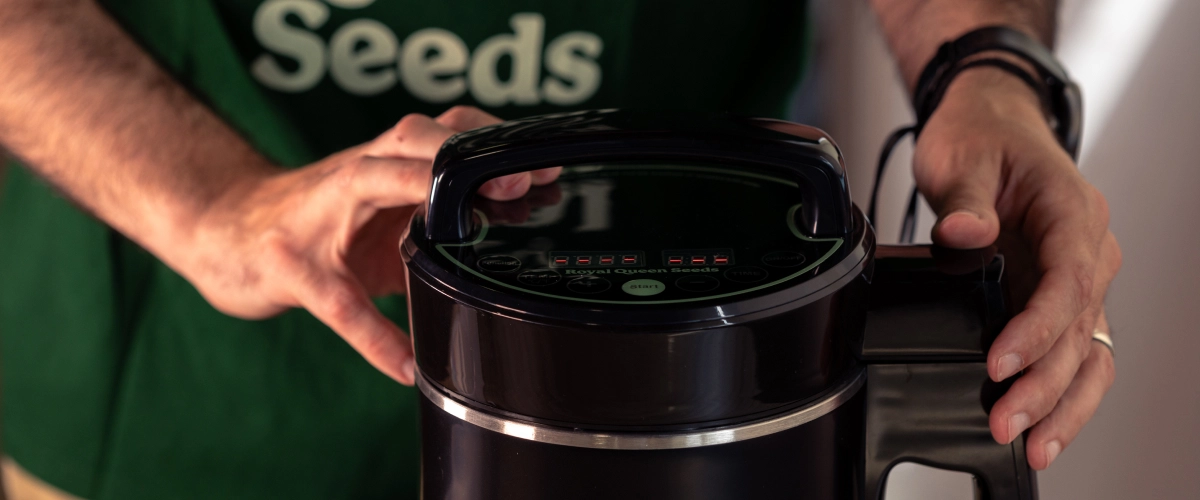
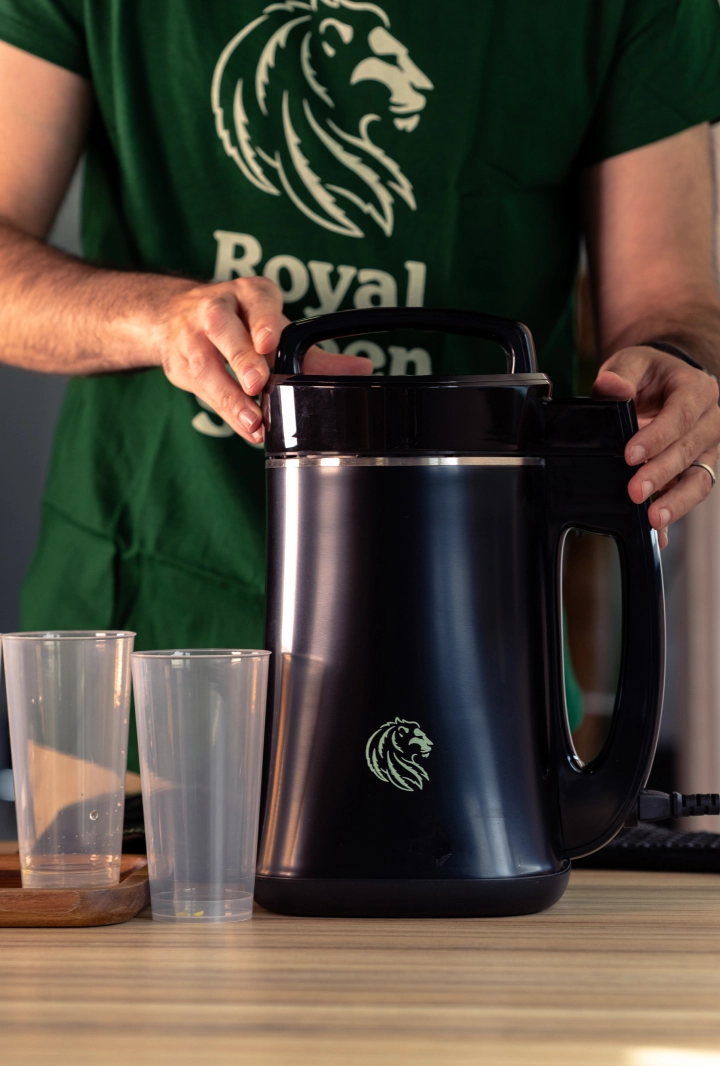
When the cycle finishes, let the oil sit for a few minutes before handling it. Carefully pour the mixture through a fine mesh strainer, cheesecloth, or the filter supplied with your machine into a clean, dry jug.
Do not squeeze the cannabis too hard. A gentle strain gives a cleaner oil with less plant sediment, which feels smoother on the skin and looks better in roller bottles or jars.
If you want to make the beeswax balm version, add 30–35 g beeswax to the warm strained oil at this stage. Heat gently and stir until the beeswax has fully melted and the mixture looks smooth and homogeneous.
Beeswax usually melts at around 62–65 °C. If your infuser does not reach that temperature, place the mixture in a heatproof bowl over a bain-marie, or use a low heat plate. If you are making the roller oil version, skip this step and keep the infused oil fluid.
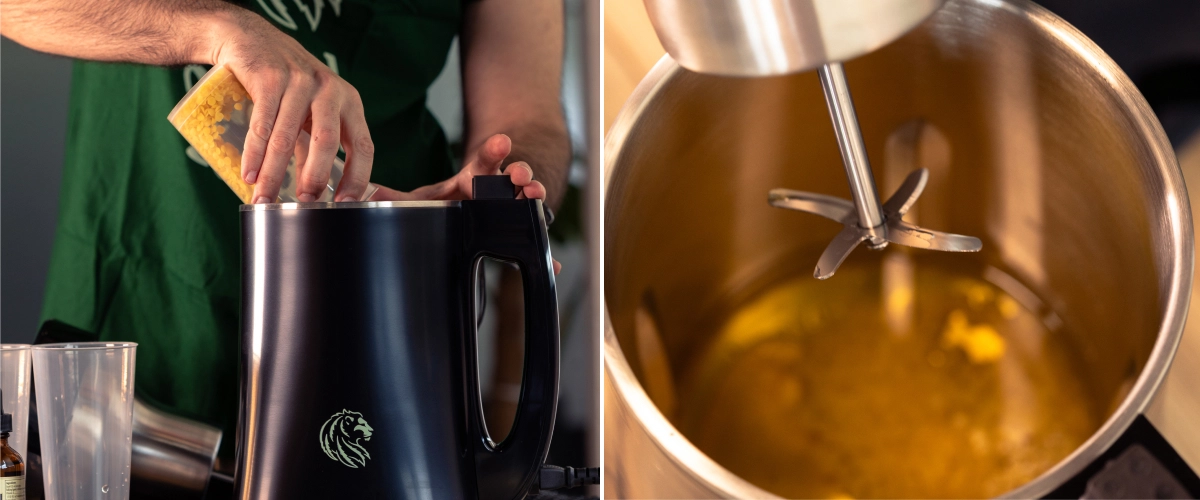
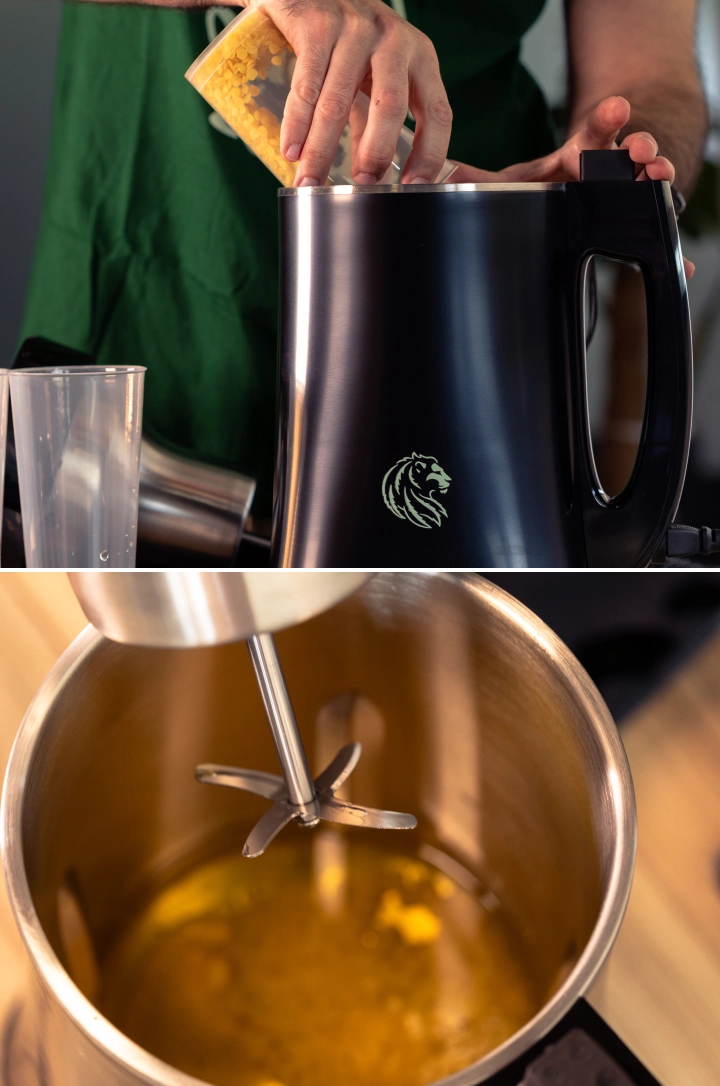
Let the infused oil or melted balm mixture cool slightly while it is still liquid. Stir in the vitamin E oil, then add the optional essential oil.
For this batch size, use around 4 drops of vitamin E oil. If using essential oil, keep it low: around 5 drops is enough for a gentle scent. Lavender, chamomile, rosemary, or eucalyptus can work well, but always choose skin-safe essential oils and avoid applying the finished product to broken, irritated, or highly sensitive skin.
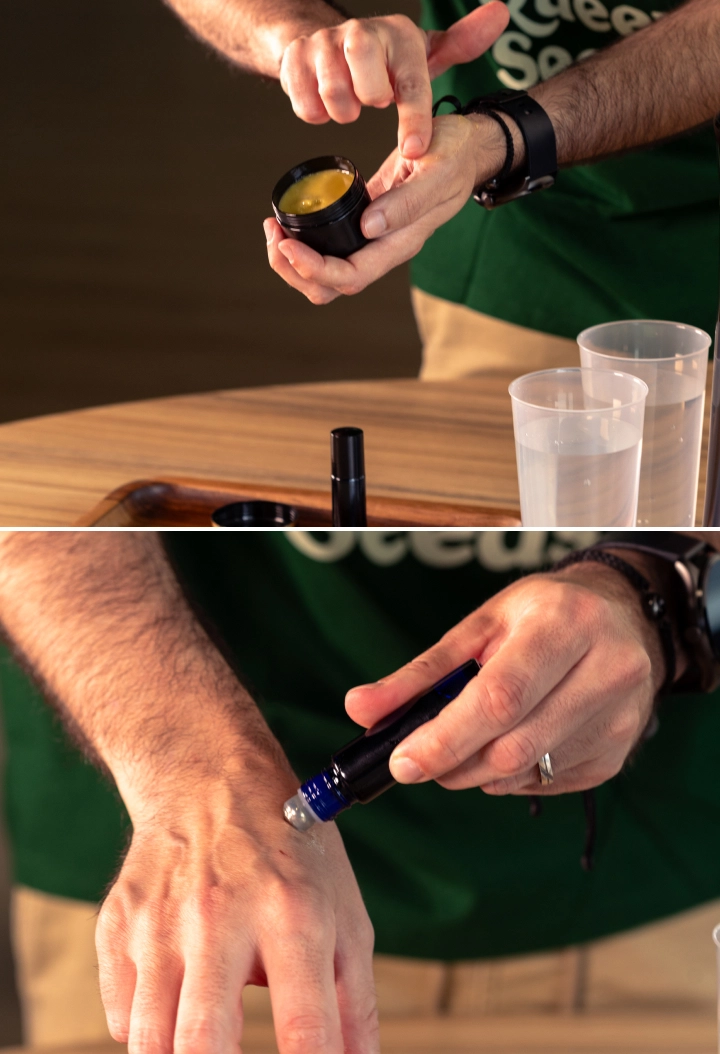
For the roller oil version, pour the finished oil into clean roller bottles, dropper bottles, or amber glass bottles. For the balm version, pour the mixture into clean, dry jars while it is still liquid, then allow it to cool and set completely.
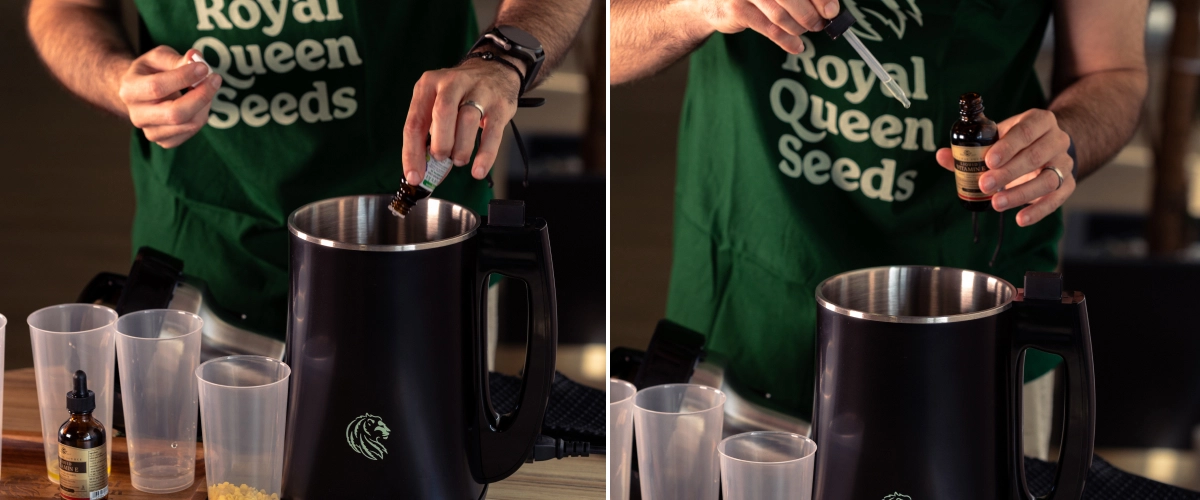
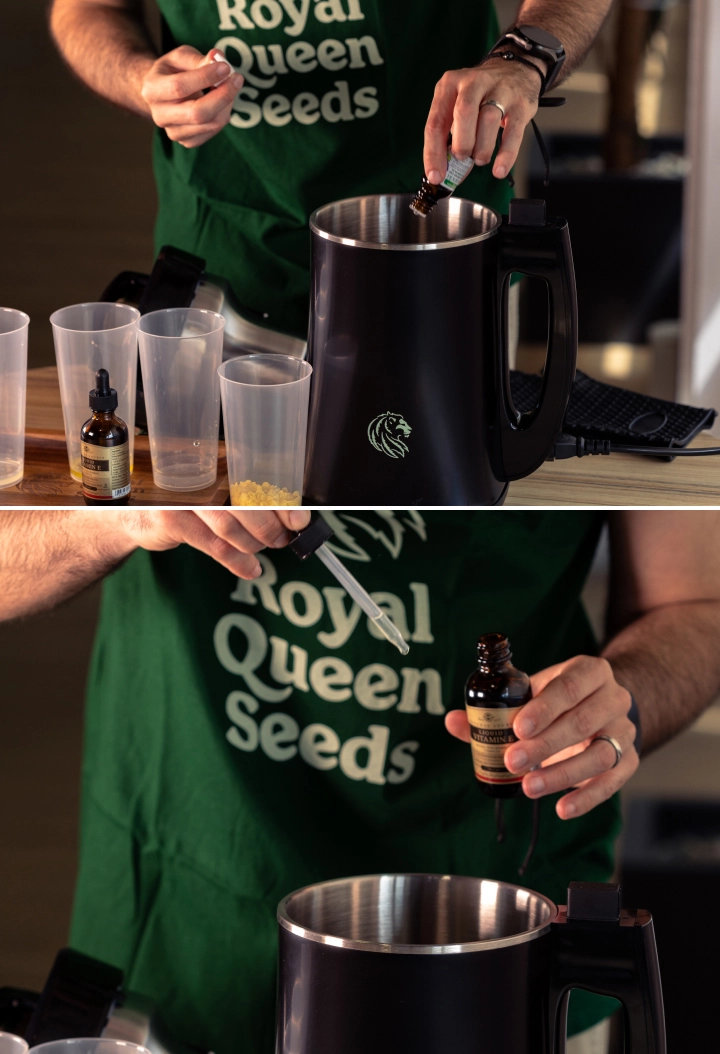
At this point, you have a cannabis-infused topical oil. You can keep it fluid for roller bottles, or turn it into a richer beeswax balm.
For the roller oil, the recipe is ready once the vitamin E and optional essential oil have been stirred in. Pour the cooled oil into clean roller bottles, dropper bottles, or amber glass bottles.
This version is best for smaller areas such as wrists, shoulders, calves, hands, or temples. Label each bottle with the date, strain, and ingredients used.
Beeswax turns the infused oil into a thicker cannabis balm with more grip on the skin. Use 30 g beeswax for a softer balm and 35 g for a firmer texture.
If the balm sets too hard, remelt it and add a little more carrier oil. If it is too soft, remelt it and add a few extra grams of beeswax.
Strain choice matters most when it affects the cannabinoid and terpene profile of your finished oil or balm. For everyday topical recipes, many home growers lean towards CBD-rich cultivars or balanced CBD:THC varieties, especially when they want a non-intoxicating, skin-focused preparation rather than a high-THC edible-style infusion.
Terpenes also shape the final product. Aromatic, resinous flowers can lend a more rounded scent to massage oils and balms, while milder varieties keep the blend closer to the fragrance of your carrier oils and essential oils.
Haze Berry is popular for its sweet, herbal aroma and broad appeal. Granddaddy Purple brings deeper berry notes that suit richer balm textures. Northern Light is a classic choice when you want earthy, piney character in the jar. Whichever strain you choose, use properly dried, legally sourced cannabis and keep your expectations practical: the goal is a pleasant, consistent topical, not a guaranteed effect.
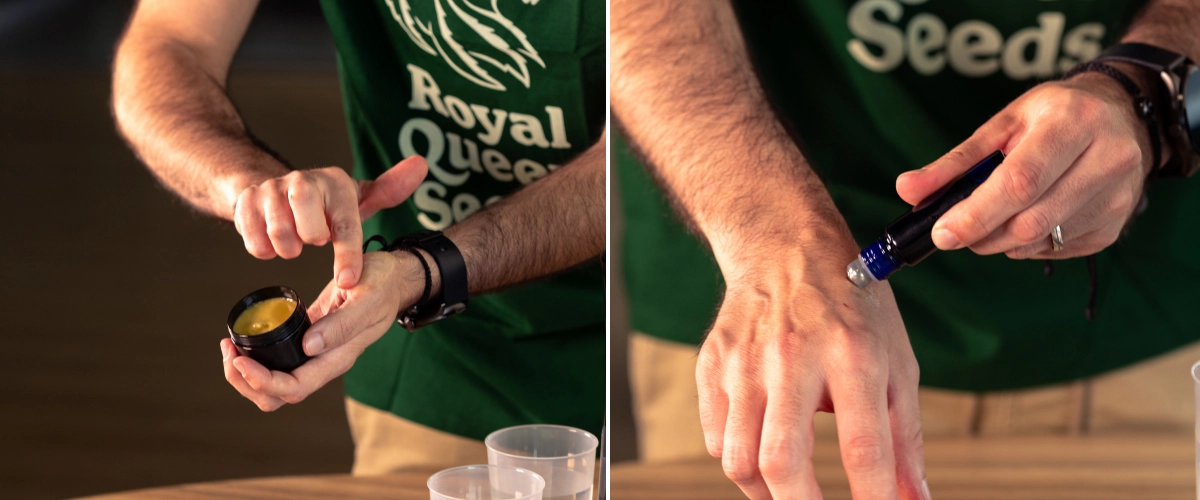
Store your finished topical in a cool, dark place, away from direct sunlight and repeated temperature swings. Amber glass jars or roller bottles work well, especially when they are clean, dry, and tightly sealed.
Vitamin E helps slow oxidation naturally, but it does not make homemade products last forever. Use clean hands, spatulas, or applicators to avoid introducing water or dirt, and aim to use each batch within a reasonable timeframe while the texture, aroma, and freshness are still at their best.
Clean the bowl while residue is still easy to loosen. Fill it with water between the minimum and maximum marks, close the lid, select function 6 for cleaning, and press Start.
Once the cycle finishes, empty the bowl carefully and wipe away any remaining oil with a soft cloth. Regular cleaning keeps your cannabis infusion machine working smoothly and helps prevent old flavours from carrying into the next batch.
Homemade cannabis topicals are more approachable than they first appear. Once you understand the base oils, the infusion step, and the role of beeswax, you can adapt the same method to suit your routine.
Keep the blend light and fluid for a roller oil that slips easily into a gym bag or bedside drawer. Add beeswax for a richer balm with a slower, more moisturising feel. From strain choice to essential oil fragrance, each batch gives you room to personalise the texture, scent, and finish. Work cleanly, label everything, and enjoy the hands-on craft of making your own cannabis balm recipe at home.